
FDA Black Box Warning Knowledge Check
Take this quick quiz to verify your understanding of the article's key points about boxed warnings.
Loading question...
Quiz Complete!
You scored 0 out of 5.
You pick up a new prescription at the pharmacy. The pharmacist hands you a pamphlet with tiny text, and somewhere in there is a section bordered by thick black lines. That is the black box warning, or formally known as a boxed warning. It sounds ominous, doesn't it? But what does it actually mean for your health? A boxed warning is the most serious safety alert issued by the U.S. Food and Drug Administration (FDA). It appears on the drug's label to highlight a risk that could lead to death or serious injury. Think of it less as a "do not use" sign and more as a "handle with extreme care" flag. If you see one, it doesn't necessarily mean the drug is bad; it means the stakes are high.
What Exactly Is a Black Box Warning?
The name comes from the visual design. When the FDA mandates this warning, pharmaceutical companies must print it inside a literal black-bordered box at the very top of the package insert. This placement ensures prescribers and patients cannot miss it. According to the American Academy of Family Physicians, this format was designed to grab immediate attention because standard text often gets overlooked in dense medical literature.
Why do drugs get these warnings? Usually, it happens when clinical data shows a significant risk of severe adverse events. These aren't minor headaches or mild nausea. We are talking about risks like liver failure, suicidal thoughts, heart attacks, or birth defects. The FDA implemented this system under the Kefauver-Harris Amendments of 1962, but the specific "black box" format evolved later to standardize how we communicate critical danger.
It is crucial to understand that a black box warning is not a ban. It is a tool for informed consent. It forces healthcare providers to weigh the potential benefits against the serious risks before writing that prescription. For patients, it serves as a prompt to ask questions. Just because a drug has this warning doesn't mean you shouldn't take it. Many life-saving medications, including certain antidepressants and blood thinners, carry these warnings yet remain essential treatments for millions of people.
How Does a Drug Earn This Label?
Getting a black box warning isn't random. It follows a rigorous regulatory path. Before a drug even reaches the market, it undergoes years of testing. First, lab research identifies potential dangers. Then, preclinical studies test the drug on animals. Finally, human clinical trials reveal how the drug behaves in real people. Even after approval, the FDA continues to monitor safety through post-marketing surveillance.
Most black box warnings appear after a drug is already on the market. Why? Because clinical trials involve limited groups of people. Once millions of diverse patients start using a medication, rare but serious side effects can emerge. The FDA reviews this real-world data. If they find a pattern of severe harm, they mandate the warning.
The FDA typically issues a boxed warning in three specific scenarios:
- Life-Threatening Risks: The risk is so serious that it might outweigh the benefits for some patients.
- Preventable Harm: Serious side effects can be reduced if the drug is used correctly, such as avoiding certain interactions or monitoring blood levels.
- Specific Restrictions: The drug requires special handling, like restricted prescribing to specialists or specific patient populations only.
This process ensures that the warning is based on solid evidence, not just isolated anecdotes. The agency looks for clear signals in the FDA Adverse Event Reporting System (FAERS), where doctors, pharmacists, and patients report side effects. If the data stacks up, the warning goes into effect.
Do These Warnings Actually Change Behavior?
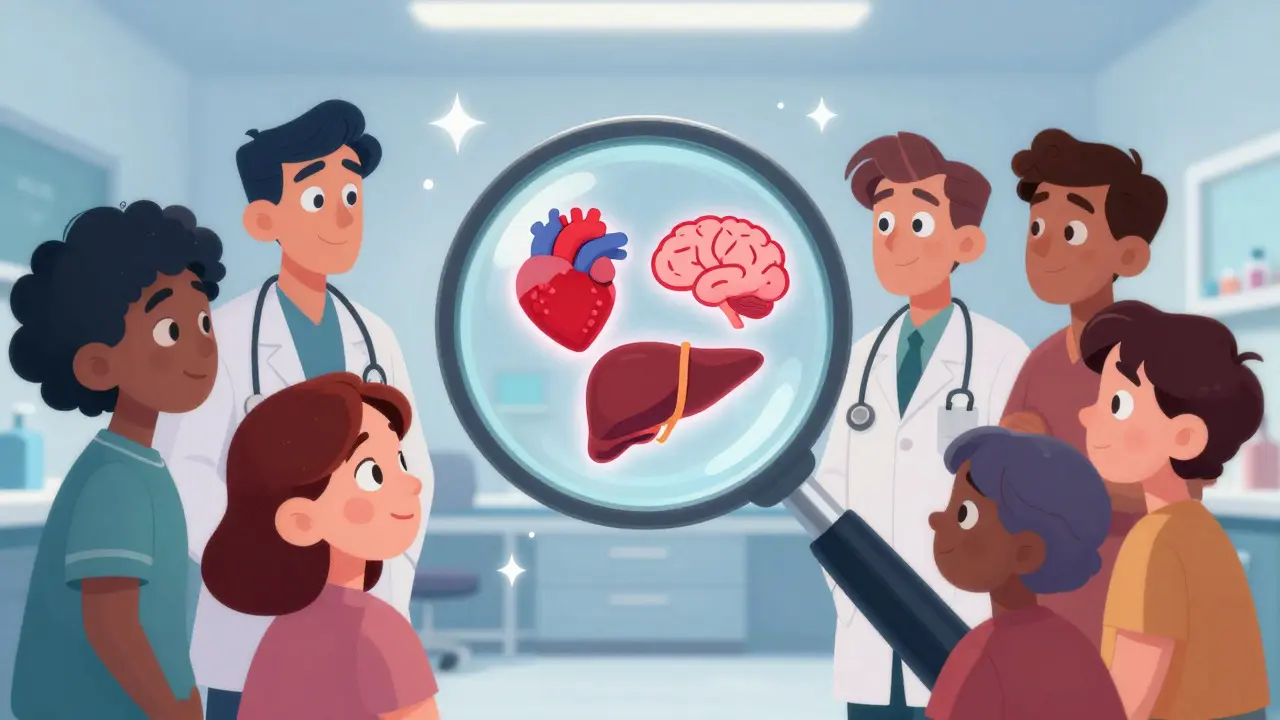
You might wonder if all this paperwork actually helps. Do doctors stop prescribing risky drugs? The answer is complicated. Research suggests that black box warnings do influence prescribing habits, but media coverage plays a huge role too.
Take the case of rosiglitazone, a diabetes drug. After the FDA added a boxed warning about heart attack risks, prescriptions dropped by nearly 70%. However, another similar drug, pioglitazone, received a comparable advisory but saw much less decline in usage. Why? Rosiglitazone got massive media attention. This shows that the warning itself is powerful, but public awareness amplifies its impact.
For healthcare providers, the warning triggers a mandatory review. Physicians are expected to discuss the risks with patients. They need to consider individual factors like age, other medications, and existing health conditions. The American Academy of Family Physicians recommends using the STEPS approach-Safety, Tolerability, Effectiveness, Price, Simplicity-to evaluate these drugs. It turns a scary label into a structured decision-making process.
Common Medications With Boxed Warnings
Many common drugs carry these warnings. Knowing which categories are affected can help you prepare for conversations with your doctor. Here are a few prominent examples:
| Drug Class | Primary Risk Highlighted | Typical Mitigation Strategy |
|---|---|---|
| Opioid Pain Relievers | Addiction, abuse, fatal overdose | Short-term use, strict dosage limits |
| Antidepressants (SSRIs) | Suicidal thoughts in young adults | Careful monitoring during first weeks |
| Blood Thinners (Warfarin) | Severe bleeding | Regular blood tests (INR monitoring) |
| Certain Diabetes Meds | Heart failure, bladder cancer risk | Cardiac history review |
| Statins | Rare muscle damage (rhabdomyolysis) | Monitoring for muscle pain |
Note that statins, widely used for cholesterol, have had their warnings refined over time. Initially, concerns about muscle damage were highlighted strongly. Later updates clarified that while muscle issues can happen, they are rare compared to the cardiovascular benefits. This evolution shows that warnings are dynamic; they change as science improves.

What Should Patients Do?
If your doctor prescribes a medication with a black box warning, don't panic. Instead, engage. Ask specific questions. "What is the main risk here?" "How will we monitor for it?" "Are there safer alternatives for my situation?"
Your pharmacist is also a valuable resource. They can explain the warning in plain language and check for interactions with your other meds. Remember, the goal is not to avoid medication out of fear, but to use it safely. Some conditions, like severe depression or atrial fibrillation, carry higher risks without treatment than the medication itself poses.
Keep an eye on your body. If you notice unusual symptoms, report them. Your feedback contributes to the FAERS database, helping the FDA track safety trends. Patient advocacy groups have successfully petitioned for additional warnings on several drugs, proving that consumer vigilance matters.
The Future of Drug Safety Labels
The FDA is constantly refining how it communicates risk. Current efforts focus on making labels more readable and emphasizing absolute risk rather than relative statistics. For example, instead of saying "risk doubles," they aim to say "risk increases from 1 in 1,000 to 2 in 1,000." This clarity helps patients make better decisions.
We are also seeing a shift toward personalized medicine. As genetic testing becomes more common, future warnings might specify that a drug is risky only for people with certain genetic markers. This would reduce unnecessary alarm for those who tolerate the drug well.
Until then, the black box warning remains the gold standard for alerting us to serious drug risks. It is a blunt instrument, yes, but an effective one. It reminds us that medicine is powerful, and power requires respect.
Does a black box warning mean the drug is unsafe?
No, it does not mean the drug is unsafe for everyone. It means the drug carries a serious risk that requires careful consideration. Many effective and necessary medications have these warnings. The key is weighing the benefits against the risks for your specific health situation.
Can I still take a medication with a black box warning?
Yes, absolutely. Doctors prescribe these medications every day. The warning ensures that both you and your provider are aware of the potential dangers and take steps to minimize them, such as regular monitoring or dose adjustments.
Why do some drugs get warnings after they are already sold?
Clinical trials involve limited numbers of people. Once a drug is used by millions in the general population, rare side effects may emerge. The FDA monitors this real-world data and adds warnings if new safety signals appear.
Who decides if a drug needs a black box warning?
The U.S. Food and Drug Administration (FDA) makes this decision. They review scientific evidence, clinical trial data, and post-market reports from the Adverse Event Reporting System (FAERS) to determine if a warning is necessary.
Where can I find information about these warnings?
You can find them on the FDA website, in the package insert provided by your pharmacy, or on reliable medical resources like DailyMed. Always consult your healthcare provider for advice tailored to your health needs.
Vivek Chaturvedi
August 30, 2026 AT 12:37people ignore these warnings at their own peril and deserve the consequences when they refuse to read the fine print
Lolo Del
August 30, 2026 AT 16:15Hey there! Just wanted to say this is a really solid breakdown. I've seen too many patients freak out over the black box without understanding that it's actually a safety feature, not a ban. It’s great to see someone explaining the nuance between 'dangerous' and 'requires monitoring'. Keep up the good work!
Tobi Oyewole
August 31, 2026 AT 04:03I appreciate the balanced perspective presented here. In my experience, particularly within the Nigerian healthcare context where regulatory frameworks can sometimes lag behind global standards, clarity on FDA protocols is vital. We must respect the boundary between caution and fear. The drug itself is neutral; it is the application that carries risk. Therefore, informed consent is not merely a legal formality but an ethical imperative for both provider and patient.
Sarah Kinch
August 31, 2026 AT 09:25honestly its all just big pharma trying to cover their asses while scaring people into taking more meds. the data is always manipulated anyway so who cares about the box.
fred eden
August 31, 2026 AT 12:09This made me feel so much less anxious! 🥺 I was terrified of my antidepressants because of the suicide warning, but knowing it's about monitoring helps so much. Thank you for sharing this ❤️🙏
Pearl Richardson
September 1, 2026 AT 12:36The FDA is not your friend. They are regulated by the very companies they claim to police. 🕵️♀️ This "black box" is a distraction from the real issue: corporate liability shields. Why do we trust an agency funded by industry? 🤔 The media amplification mentioned regarding rosiglitazone proves that narrative control matters more than actual science. Wake up. 👁️
larry williams
September 2, 2026 AT 22:43It is truly wonderful to see such a comprehensive explanation that empowers patients rather than overwhelming them with jargon. I have often found that when individuals understand the 'why' behind these warnings, they become active participants in their own care rather than passive recipients of prescriptions. This shift in mindset is crucial for long-term health outcomes and fosters a stronger partnership between doctor and patient, which ultimately leads to better adherence and improved quality of life for everyone involved in the treatment process.
Stephen Horn
September 3, 2026 AT 06:56The general populace lacks the intellectual capacity to interpret statistical risk correctly. Most people cannot distinguish between absolute and relative risk, rendering these warnings useless to the layperson. Furthermore, the reliance on FAERS data is flawed due to underreporting and selection bias. Only those with medical literacy should be entrusted with these decisions, not the masses who panic over headlines.
Gurjit Singh
September 4, 2026 AT 10:49If you are healthy enough to worry about side effects then you are healthy enough to live without medication. Modern medicine has made us lazy and dependent. We should rely on diet and discipline instead of swallowing poison wrapped in a label. :)
hareesh kumar
September 5, 2026 AT 14:38but wait!!! what if the doctors themselves dont even read the labels?? i heard rumors that some hospitals use AI to prescribe drugs now and the AI doesnt care about black boxes it just wants to hit quota!! also why does the US have different rules than Europe?? its like a conspiracy to keep prices high by making drugs seem scary so only rich people can afford the insurance to take them!! im telling u guys this is bigger than water!! its about control!!
Venkatesan V.K.
September 6, 2026 AT 19:46Another article explaining what we already know. The system is broken. Doctors don't listen. Patients don't read. Pharma profits. Repeat. It is exhausting to watch society pretend that a label solves complex biological interactions.
Eryn Manchego
September 7, 2026 AT 22:28love this vibe totally agree that awareness is key and not fear. knowledge is power fam 💪✨ let's normalize asking our docs about the risks instead of just nodding along. stay safe and hydrated y'all 🌊💧
Crystal Torres
September 9, 2026 AT 17:12Thank you for this detailed overview. It is imperative that we continue to educate the public on the significance of these regulatory tools. By understanding the mechanism behind the warning, patients can engage in more productive dialogues with their healthcare providers, leading to safer and more effective treatment plans.