
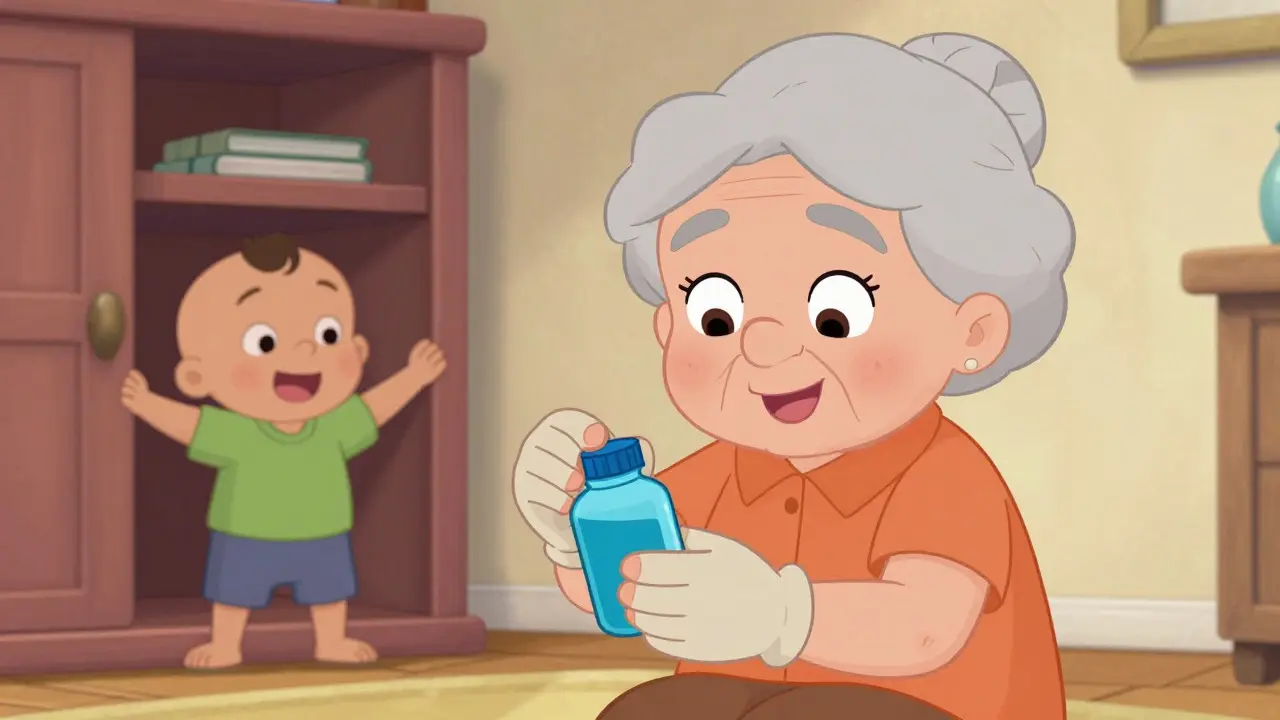
Imagine handing a bottle of heart medication to your grandmother. She has arthritis in her hands, her grip isn't what it used to be, and she’s frustrated because the cap won’t budge. Now imagine that same bottle sitting on a low shelf within reach of your three-year-old grandchild, who is determined to see what’s inside. This is the daily balancing act for millions of families. Child-resistant containers are specialized packaging designed to keep young children from accessing hazardous substances while remaining accessible to adults. They are not just plastic bottles; they are a critical line of defense against accidental poisoning.
Since the introduction of the Poison Prevention Packaging Act (PPPA) in 1970, these caps have saved thousands of lives. But as we move through 2026, the conversation has shifted. It’s no longer just about keeping kids out; it’s about getting seniors in. The rise of senior-friendly (SF) designs means you don’t have to choose between safety and usability anymore. Let’s break down how these caps work, why some feel impossible to open, and what you can do if you’re struggling with them.
How Child-Resistant Caps Actually Work
You might think all medicine bottles look the same, but the mechanics inside those caps are surprisingly complex. A standard screw cap relies on simple friction and threading. A child-resistant (CR) cap adds a layer of cognitive and physical difficulty. To open one, you usually need to perform two simultaneous actions that require different types of strength or coordination.
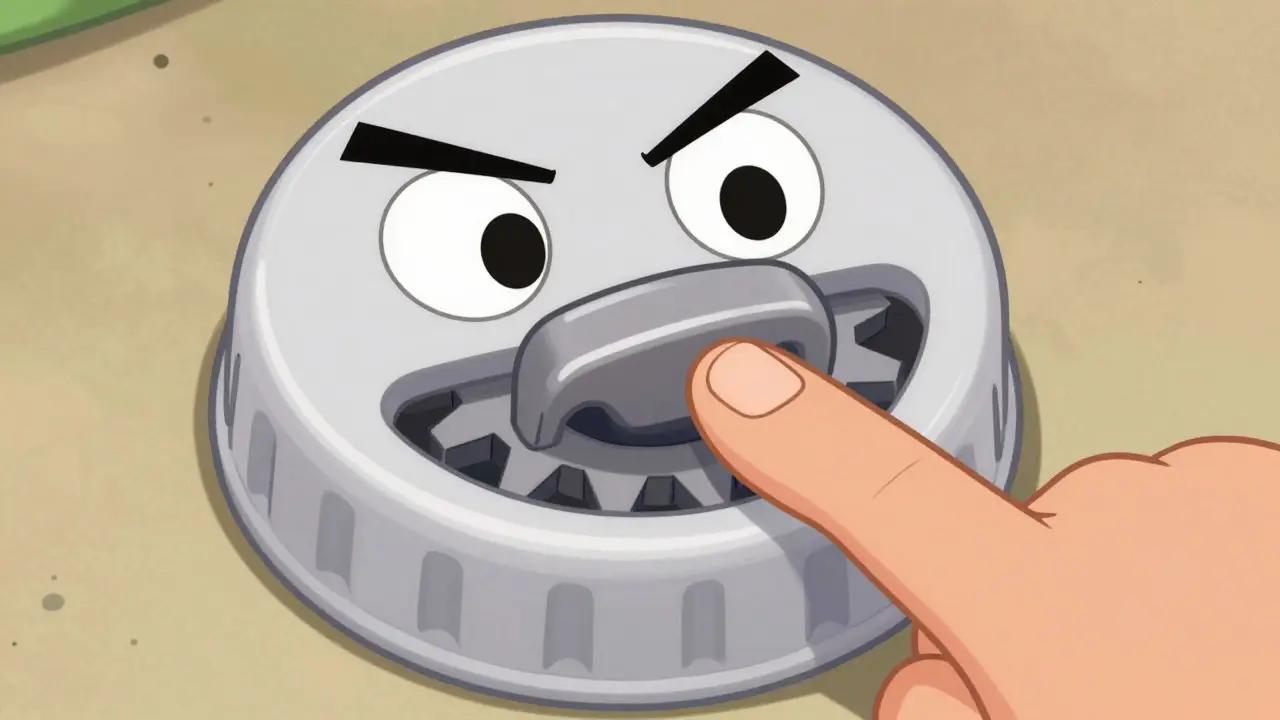
The most common design is the push-and-turn mechanism. You have to push the cap down firmly while turning it counter-clockwise. If you only turn, the internal locking teeth prevent movement. If you only push, nothing happens. This dual-action requirement is key. Children under five typically lack the fine motor skills and hand strength to coordinate these opposing forces simultaneously. According to testing protocols by the U.S. Consumer Product Safety Commission (CPSC), a cap must stop at least 85% of children aged 42 to 51 months from opening it within ten minutes.
Other mechanisms include squeeze-and-turn caps, where you pinch specific soft zones on the sides while rotating, and interlocking designs that require sliding tabs into place before twisting. These aren’t random inventions; they are engineered based on developmental psychology. Young children explore by mouthing objects and using gross motor skills like grabbing and pulling. CR caps exploit the gap between those abilities and the dexterity required for multi-step manipulation.
It’s important to understand a crucial distinction here: "child-resistant" does not mean "child-proof." No packaging is 100% foolproof. A determined older toddler, or a child with older siblings showing them the trick, can eventually figure it out. The goal is delay-buying time so an adult can intervene before a harmful amount is ingested.
The Senior-Friendly Revolution: Solving the Arthritis Problem
For decades, there was a trade-off. If a cap was hard enough to keep a curious toddler out, it was often too difficult for an elderly person with osteoarthritis or limited hand strength to open. This created a dangerous situation: seniors might skip doses because they couldn’t open the bottle, or they might leave the cap off entirely, defeating the purpose of child resistance.
This is where Senior-Friendly (SF) packaging comes in. Modern regulations now require manufacturers to test their caps not just on children, but also on seniors aged 50 to 70. Under CPSC standards, at least 90% of seniors must be able to open and properly re-close the package within five minutes.
Newer technologies have made this possible without sacrificing safety. For example, systems like Aptar Pharma’s Mini+cr use precision-engineered threading that reduces the force needed to open the cap while maintaining the locking mechanism that confuses children. In independent testing, these advanced caps achieved a 92% success rate among seniors while still blocking 92% of children. That’s a massive improvement over older "cap-and-cringe" systems, which often failed seniors due to high torque requirements.
If you or a loved one struggle with traditional caps, ask your pharmacist for "senior-friendly" or "easy-open" options. Many pharmacies stock these specifically for patients with arthritis or reduced mobility. It’s a small request that can make a huge difference in medication adherence and peace of mind.
| Cap Type | Child Resistance Rate | Senior Success Rate | Best For |
|---|---|---|---|
| Standard Push-and-Turn | High (85%+) | Moderate (Varies) | General household use |
| Senior-Friendly (SF) CR | High (85%+) | Very High (90%+) | Elderly users, arthritis sufferers |
| Non-CR Screw Cap | Low (<30%) | Very High (95%+) | Households without young children |
Why Your Cap Might Be Stuck (And How to Fix It)
Even with senior-friendly designs, frustration happens. One of the biggest reasons people struggle with CR caps isn’t the design itself-it’s improper reclosure. Data from the CPSC shows that effectiveness drops by about 15% after the first opening if the cap isn’t sealed correctly. If the internal locking ring isn’t fully engaged, the cap becomes easy for a child to twist open, but it can also become loose and difficult for an adult to grip properly.
Here is a step-by-step guide to ensuring your cap works every time:
- Check the alignment. Before pushing down, ensure the cap is straight. Cross-threading can jam the mechanism.
- Push firmly. Apply steady downward pressure. Don’t wiggle side-to-side yet.
- Turn slowly. While maintaining downward pressure, rotate counter-clockwise. Listen for a click or feel for the release.
- Re-seal carefully. When closing, align the threads, push down, and turn clockwise until snug. Give it one extra quarter-turn to engage the lock.
If the cap is truly stuck, try these tricks:
- Use a rubber grip. Wrap a wide rubber band around the cap or use a silicone jar opener. This increases friction significantly.
- Tap the edge. Lightly tap the bottom of the cap against a hard surface. This can break any vacuum seal or minor sticking caused by moisture.
- Warm it up. Run warm water over the cap for 10 seconds. Heat expands the plastic slightly, loosening the fit. Avoid hot water, which can melt labels or deform cheap plastics.
Regulations and What’s Covered
You might wonder why some medicines come in CR caps and others don’t. It’s not arbitrary. The Poison Prevention Packaging Act mandates CR packaging for approximately 30 categories of hazardous products. This includes prescription medications, over-the-counter drugs with specific active ingredients (like ibuprofen or acetaminophen above certain doses), pesticides, and household chemicals.
In the U.S., the FDA and CPSC enforce these rules strictly. Pharmaceutical companies must verify that their packaging meets 16 CFR 1700 standards. For instance, all Schedule II-V controlled substances (like opioids or ADHD medications) require CR packaging. However, not everything is covered. Vitamins, supplements, and non-hazardous liquids often come in standard caps unless they contain high concentrations of potentially toxic ingredients.
International standards are converging too. ISO 8317 provides a global benchmark for testing, meaning a cap tested in South Africa, Europe, or the U.S. should perform similarly. Countries like Brazil and India have recently adopted mandatory CR packaging laws, reflecting a global shift toward safer consumer goods.
Common Mistakes That Compromise Safety
Having the right container is only half the battle. How you store and handle medications matters just as much. Here are the most common pitfalls:
- Transferring meds to pill organizers. Weekly pill boxes are convenient, but most are not child-resistant. If you transfer pills from a CR bottle to a regular organizer, you lose that protection. Keep the original bottle for storage and only take out what you need for the day.
- Leaving caps off. It’s tempting to leave the cap loose or off when taking frequent doses. Always replace it immediately. Even a few minutes of exposure can be enough for a curious toddler.
- Ignoring damage. Cracked caps or worn-out locking rings lose their effectiveness. If the cap feels loose or doesn’t click shut, ask your pharmacist for a replacement bottle.
- Storing at eye level. CR caps are a barrier, not a vault. Store medications in high cabinets, preferably locked ones, especially if you have toddlers who climb.
Remember, statistics show that despite CR packaging, thousands of incidents still occur each year. Most involve improper reclosure or children finding damaged containers. Vigilance is your best tool.
The Future: Smart Caps and Beyond
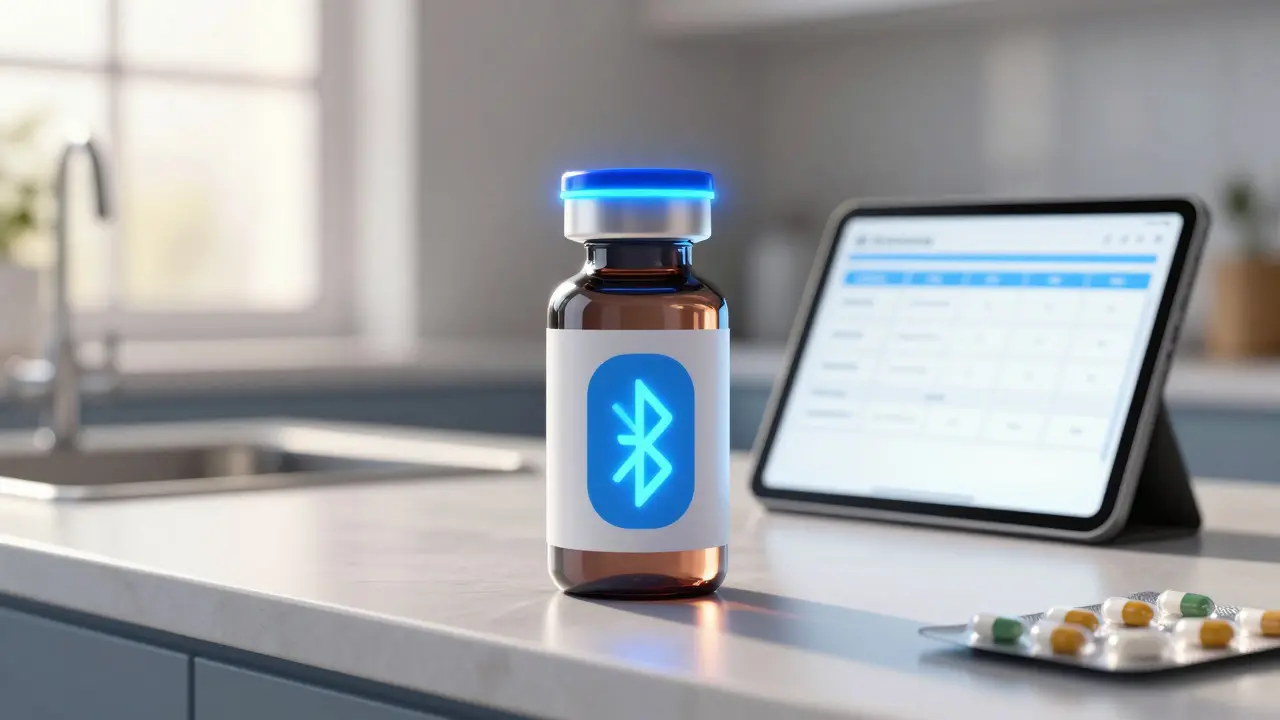
We’re entering an era of smart packaging. Companies like Aptar Pharma have launched connected CR caps, such as the SmartDose system. These caps combine child resistance with Bluetooth tracking. They record when the bottle is opened, helping patients track adherence and alerting caregivers if a dose is missed. While still emerging, this technology addresses two major issues: safety and health management.
Looking ahead, expect to see more integration of CR features into diverse formats. Nasal sprays and liquid formulations have historically been harder to secure than solid tablets. New metering pumps and crimped closures are solving these challenges. As the population ages, the demand for senior-friendly, smart, and robust packaging will only grow. By 2028, the global market for CR packaging is projected to reach nearly $5 billion, driven by stricter regulations and demographic shifts.
For now, the advice remains simple: check your caps, store safely, and don’t hesitate to ask for easier-to-open options if you need them. Safety shouldn’t be a struggle.
Are child-resistant caps actually effective?
Yes, significantly. Since the introduction of the Poison Prevention Packaging Act in 1970, pediatric poisoning deaths have dropped by approximately 45%. CR packaging prevents an estimated 900,000 childhood poisonings annually. However, they are not 100% foolproof and work best when combined with proper storage practices.
What is the difference between child-resistant and child-proof?
"Child-resistant" means the packaging is designed to delay access by young children, giving adults time to intervene. "Child-proof" implies complete impossibility of access, which does not exist in current packaging technology. No cap can guarantee 100% protection against a determined child.
Can I get medication without a child-resistant cap?
In many cases, yes. If you live in a home without young children or have difficulty opening CR caps due to arthritis or disability, you can request non-child-resistant packaging from your pharmacist. You may need to sign a waiver acknowledging the risks, especially for hazardous medications.
Why are my medicine caps so hard to open?
Older CR designs required significant hand strength and coordination. If you are struggling, ask your pharmacist for "senior-friendly" (SF) caps. These are tested to ensure 90% of seniors can open them within five minutes while still meeting child-resistance standards. Using a rubber grip can also help with existing bottles.
Do vitamins need child-resistant caps?
Not always. Regulations mandate CR packaging for specific hazardous substances and high-dose medications. Standard multivitamins and supplements often come in regular screw caps unless they contain high concentrations of iron or other toxic elements. Check the label for a "CR" symbol or instructions.
How do I know if a cap is properly sealed?
A properly sealed CR cap will resist turning when you try to rotate it without pushing down. When you push down and turn, you should feel a distinct release or click. If the cap spins freely without pressure, it may not be engaged correctly. Always push down firmly while turning to close.
Are blister packs child-resistant?
Standard unit-dose blister packs are generally not considered child-resistant unless specifically engineered with heavy-duty foil requiring significant force (minimum 15 pounds) to peel. Most everyday blister packs can be opened by young children with ease.
What should I do if a child opens a CR cap?
If a child accesses medication, immediately remove the substance and check how much was ingested. Call your local Poison Control Center or emergency services right away. Do not wait for symptoms to appear. Keep the container handy to provide details about the medication.