
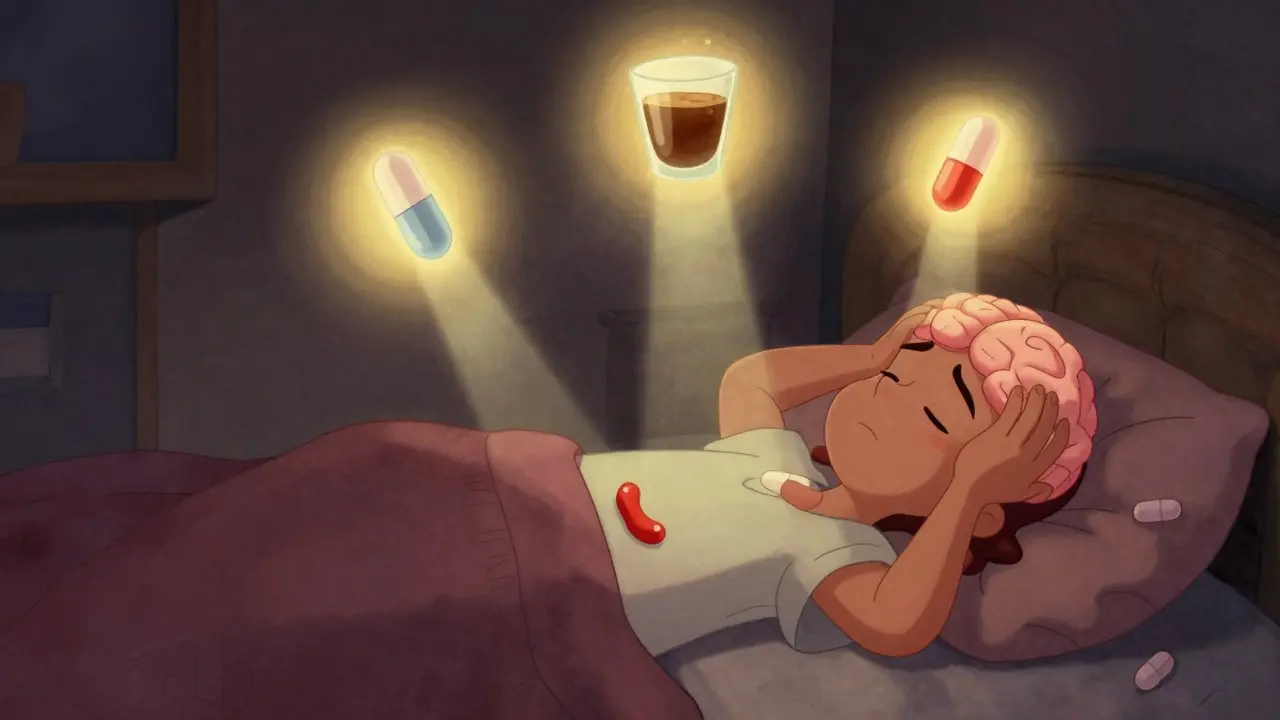
When a migraine hits hard, taking one pill often isn’t enough. Many people find that even strong painkillers like ibuprofen or sumatriptan alone don’t fully stop the pain, nausea, or sensitivity to light. That’s where migraine combination medications come in-two or more drugs in one pill or taken together, designed to attack the headache from multiple angles at once. And the good news? The most effective ones are now available as cheap generics.
Why Combine Drugs for Migraine?
Migraine isn’t just a bad headache. It’s a complex neurological event involving inflammation, blood vessel changes, and nerve signaling gone wild. A single drug can’t fix all of that. Combination therapy works because different drugs hit different targets:- NSAIDs like naproxen or aspirin calm inflammation in the brain and surrounding tissues.
- Triptans like sumatriptan or rizatriptan shrink swollen blood vessels and block pain signals from nerves.
- Caffeine helps the body absorb the other drugs faster and has its own mild painkilling effect.
This isn’t guesswork. Studies show these combos work better than any single drug alone. For example, in a 2024 review of over 50 clinical trials, the sumatriptan/naproxen combo gave complete pain relief to 48% of patients within two hours-compared to just 37% with sumatriptan alone and 29% with naproxen alone. That’s a real difference when you’re stuck in a dark room, unable to move.
Generic Sumatriptan/Naproxen: The Gold Standard
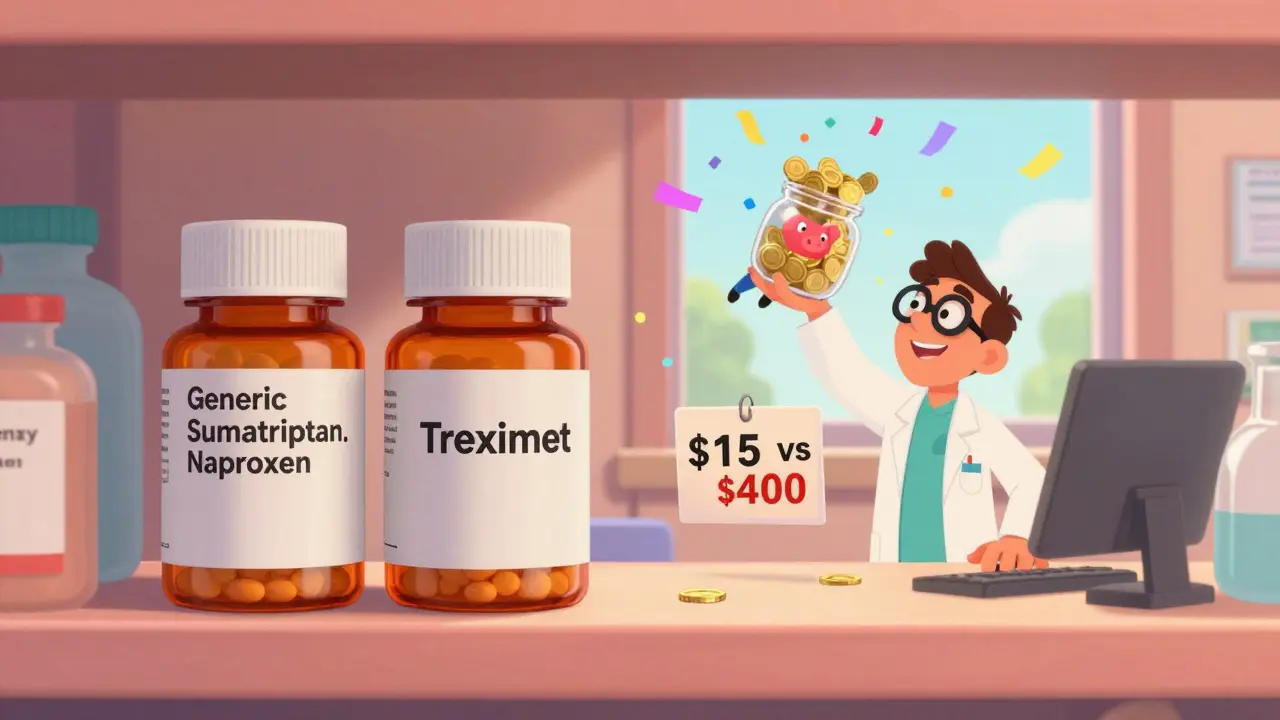
The most proven combination for moderate to severe migraines is sumatriptan and naproxen. It was originally sold as Treximet, a branded pill that cost $350-$450 per dose. But after the patent expired in 2020, generic versions flooded the market. Today, you can buy the exact same 85 mg sumatriptan + 500 mg naproxen sodium combo for $15-$25.And here’s the kicker: using separate generic pills-50 mg sumatriptan + 500 mg naproxen-is just as effective. You don’t need the fancy fixed-dose tablet. Many doctors now recommend this approach because it’s cheaper and gives you more control over dosing. If 50 mg sumatriptan doesn’t work, you can try 100 mg without buying a whole new pill.
Real-world data shows this combo works best for attacks rated 4 or higher on a 0-10 pain scale. If your migraine is mild, this might be overkill. But if you’ve tried triptans alone and still end up vomiting or lying down for hours, this combo can be life-changing.
Excedrin Migraine: The OTC Hero
If you don’t need a prescription, Excedrin Migraine is the most trusted over-the-counter option. It’s a mix of 250 mg acetaminophen, 250 mg aspirin, and 65 mg caffeine. The brand version costs $5-$7 per pack. But the generic version? It’s often less than $1.Studies show this combo gives you a 29% chance of being pain-free in two hours-far better than acetaminophen alone (which only works about 37% of the time) or ibuprofen (42%). And it’s 69% more effective than ibuprofen alone. That’s why ER doctors often recommend it as a first step before jumping to prescription meds.
One thing to watch: don’t take more than two tablets in 24 hours. Too much acetaminophen can damage your liver. Too much aspirin can upset your stomach or cause bleeding. Stick to the label.
What About Other Combinations?
Sumatriptan/naproxen and Excedrin aren’t the only options. Some doctors now recommend mixing rizatriptan (10 mg) with naproxen (500 mg) for patients who don’t respond to sumatriptan. A 2024 study found it worked just as well. That’s important because not everyone tolerates sumatriptan-it can cause chest tightness or dizziness in some people.There’s also emerging data on meloxicam/rizatriptan (brand name AXS-07), expected to launch in early 2025. Early results suggest it may be slightly more effective than sumatriptan/naproxen, with 52% of patients pain-free at two hours. But it’s still new, and the price isn’t known yet.
Not all combos work, though. A 2024 study found that combining topiramate and propranolol-two common migraine preventives-didn’t reduce headache frequency any better than a placebo. That’s a key lesson: combining drugs doesn’t automatically mean better results. It has to be the right pair.
Emergency Room Cocktails
For the worst migraines-those that send you to the ER-doctors use IV combos. These aren’t pills you take at home. They’re given slowly in a controlled setting:- Ketorolac (30 mg) - a powerful NSAID
- Metoclopramide (10 mg) - stops nausea and helps other drugs absorb
- Magnesium sulfate (1-2 g) - helps calm nerve overactivity
- Dexamethasone (10 mg) - reduces inflammation and lowers chance of rebound headache
This approach works in about 70% of cases. It’s not for everyday use, but if you’ve had a migraine for 72 hours straight and nothing else helped, this is what gets you back on your feet.
Cost Matters: Generics Save Thousands
The biggest win with generic combination meds? The price drop. Here’s the real math:| Medication | Brand Name Cost | Generic Cost | Savings |
|---|---|---|---|
| Sumatriptan/Naproxen (85 mg/500 mg) | $350-$450 | $15-$25 | 95%+ |
| Excedrin Migraine (2 tablets) | $5-$7 | $0.50-$1.00 | 90%+ |
| Sumatriptan (50 mg) alone | $100-$150 | $8-$12 | 92%+ |
If you get migraines 4-6 times a month, switching from brand to generic could save you $3,000-$5,000 a year. That’s not just smart-it’s essential for people without good insurance.
Who Should Avoid These Combinations?
Not everyone can use these drugs safely:- NSAIDs (naproxen, aspirin): Avoid if you have kidney disease, stomach ulcers, or are on blood thinners.
- Triptans: Don’t use if you have heart disease, uncontrolled high blood pressure, or a history of stroke.
- Caffeine: Too much can cause anxiety or insomnia. Limit to 200 mg per day from all sources.
- Butalbital combos (like Fiorinal): These are addictive and can cause rebound headaches if used more than 10 days a month. Avoid unless absolutely necessary.
Always talk to your doctor before starting a combo, especially if you’re on other meds. Many people don’t realize that naproxen can interfere with blood pressure drugs, or that caffeine can make anxiety worse.

When to Use Combination Therapy
Here’s a simple guide based on migraine severity:- Mild (MIDAS score 1-5): Try Excedrin Migraine or ibuprofen first.
- Moderate (MIDAS 6-10): Go straight for generic sumatriptan (50 mg) + naproxen (500 mg).
- Severe (MIDAS >10): If you’ve tried everything and it’s still unbearable, head to urgent care or the ER for IV treatment.
Also, if you’ve tried a triptan alone and your migraine comes back within 24 hours, adding naproxen can cut recurrence rates from 40% down to 22%. That’s huge if you’re trying to get through work or take care of kids.
What to Do If It Doesn’t Work
If your combo doesn’t help within two hours:- Don’t take another dose right away. Wait at least 24 hours.
- Try a different triptan-rizatriptan or zolmitriptan might work better for you.
- Consider non-pill options: nasal spray (sumatriptan), injection, or even a cold compress on your neck.
- If this keeps happening, see a headache specialist. You might need preventive treatment, not just rescue meds.
Many people give up after one bad experience. But migraine treatment is trial and error. What works for your friend might not work for you. Keep track of what helps-and what doesn’t-in a simple journal.
Final Thoughts
Migraine combination medications aren’t magic. But when used right, they’re the most effective tool most people have for stopping a bad attack. The shift to generics has made them accessible, affordable, and practical. You don’t need to pay hundreds for a branded pill when the same medicine costs a few dollars.The key is matching the right combo to your migraine severity, knowing your limits, and avoiding overuse. Use these tools wisely, and you can get back to your life faster-with less pain, less cost, and more control.
Are generic migraine combination meds as effective as brand names?
Yes. Generic sumatriptan/naproxen and acetaminophen/aspirin/caffeine contain the exact same active ingredients and dosages as their brand-name counterparts. Multiple studies confirm they work just as well. The only difference is the price-generics cost up to 95% less.
Can I take sumatriptan and naproxen separately instead of the combo pill?
Absolutely. In fact, many doctors recommend it. You can buy 50 mg sumatriptan and 500 mg naproxen as separate generic pills and take them together. Studies show this is just as effective as the fixed-dose Treximet pill, and it’s cheaper. You also get more flexibility-if one dose doesn’t work, you can adjust the sumatriptan to 100 mg next time.
Is Excedrin Migraine better than ibuprofen for migraines?
Yes, for most people. Excedrin Migraine (acetaminophen + aspirin + caffeine) is significantly more effective than ibuprofen alone. Studies show it gives you a 29% chance of being pain-free in two hours, compared to about 12% with ibuprofen. The caffeine helps the painkillers work faster and stronger.
Can I use combination meds every day?
No. Using combination migraine meds more than 10 days a month increases your risk of medication-overuse headaches-where the meds themselves start causing more headaches. If you’re needing them more than twice a week, talk to your doctor about preventive treatments instead.
What’s the best combo for someone who gets migraines with nausea?
Sumatriptan/naproxen is still the top choice, but you can add an anti-nausea med like metoclopramide (10 mg) if needed. Some people find that taking the combo with ginger tea or a small piece of ginger candy helps reduce nausea. Avoid taking it on an empty stomach-eat something light first.
Do I need a prescription for sumatriptan/naproxen?
Yes. Sumatriptan is a prescription drug in most countries, including the U.S. You’ll need to see a doctor or nurse practitioner to get it. But once you have the prescription, you can fill it with the generic version at any pharmacy for under $25.
How long does it take for migraine combos to work?
Most people start feeling relief within 30 to 60 minutes. Pain-free results are usually seen by two hours. Caffeine helps speed this up. If you don’t feel any change after two hours, don’t take another dose. Wait and talk to your doctor.
Can I take migraine combos if I’m pregnant?
Generally, no. Triptans and NSAIDs like naproxen are not recommended during pregnancy, especially in the third trimester. Acetaminophen is usually considered safe in moderation, but aspirin and caffeine should be limited. Always talk to your OB-GYN before taking any migraine medication while pregnant.