
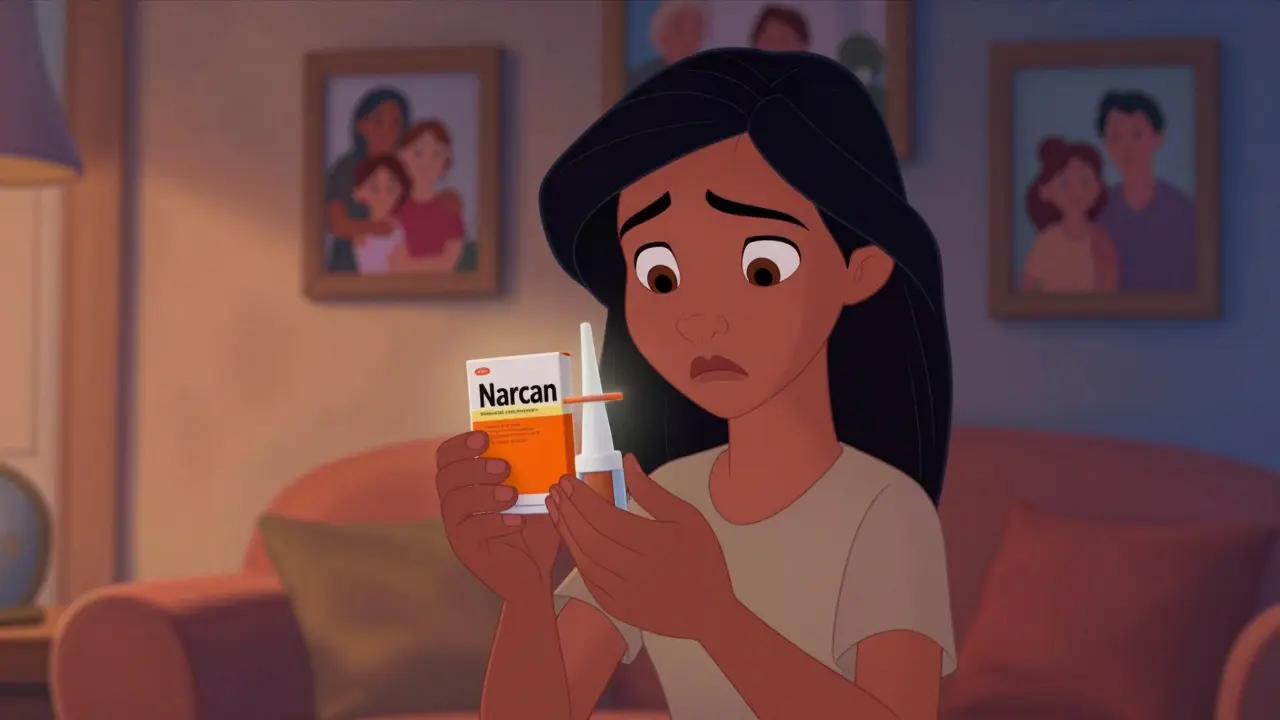
Overdose is not a mystery; it is a predictable medical event that kills thousands of people every year. If you are worried about yourself or someone you care about who has a substance use disorder (SUD), the fear of an overdose can feel paralyzing. But here is the truth: you have more power to prevent it than you might think. Prevention isn't just about telling someone to stop using drugs-that rarely works on its own. It is about building a safety net made of tools, knowledge, and medical support.
This guide cuts through the stigma and gives you concrete steps. We will look at how to use life-saving medications like naloxone, how to check drug supplies for deadly contaminants, and how to build a personal safety plan that actually works when things go wrong.
The Reality of the Current Drug Supply
To prevent an overdose, you first need to understand what you are up against. The drug landscape has changed drastically in the last decade. It is no longer just about heroin or prescription painkillers. Today, the biggest threat is fentanyl, a synthetic opioid that is 50 to 100 times stronger than morphine.
Fentanyl is often mixed into other drugs without the user's knowledge. You might buy what you think is cocaine, methamphetamine, or even a counterfeit pill like Xanax or Adderall, but it could contain lethal amounts of fentanyl. According to recent data from the Centers for Disease Control and Prevention (CDC), fentanyl was involved in approximately 80% of opioid-related overdose deaths in 2022. Even smaller doses are dangerous now. What used to be a survivable amount of a drug can now kill you because of these potent additives.
There is another emerging threat called xylazine. Often called "tranq," this non-opioid sedative is increasingly mixed with fentanyl. Here is the scary part: naloxone does not reverse the effects of xylazine. This means that even if you administer naloxone, the person might still remain unconscious or require extended medical care. Knowing this makes testing your supply even more critical.
Tool 1: Naloxone - Your First Line of Defense
Naloxone is a medication that temporarily reverses an opioid overdose. It blocks opioid receptors in the brain, breathing life back into someone whose respiratory system has shut down. It is not a cure for addiction, but it buys time until emergency services arrive.
You do not need to be a doctor to use it. In fact, you don't even need a prescription in many places. The FDA approved over-the-counter nasal spray naloxone (brand name Narcan) in 2023, making it easier to keep in your home, car, or bag. Here is how to handle it:
- Get it early: Do not wait for an overdose to happen. Pharmacies sell it, and many community health centers provide it for free.
- Know the signs: An opioid overdose looks like this: small pinpoint pupils, unresponsiveness (you can't wake them up), slow or stopped breathing, and choking or gurgling sounds. Their lips or fingernails may turn blue or gray.
- Administer it: For the nasal spray, hold the device by the green grip. Insert the tip into one nostril and press firmly. One dose is usually enough, but you may need a second dose after two minutes if there is no response.
- Stay with them: Naloxone wears off faster than some opioids. The person could slip back into an overdose. Call 911 immediately and stay with them until help arrives.
Studies show that 96% of people trained in naloxone administration successfully reverse overdoses. It is simple, effective, and saves lives.
Tool 2: Fentanyl Test Strips
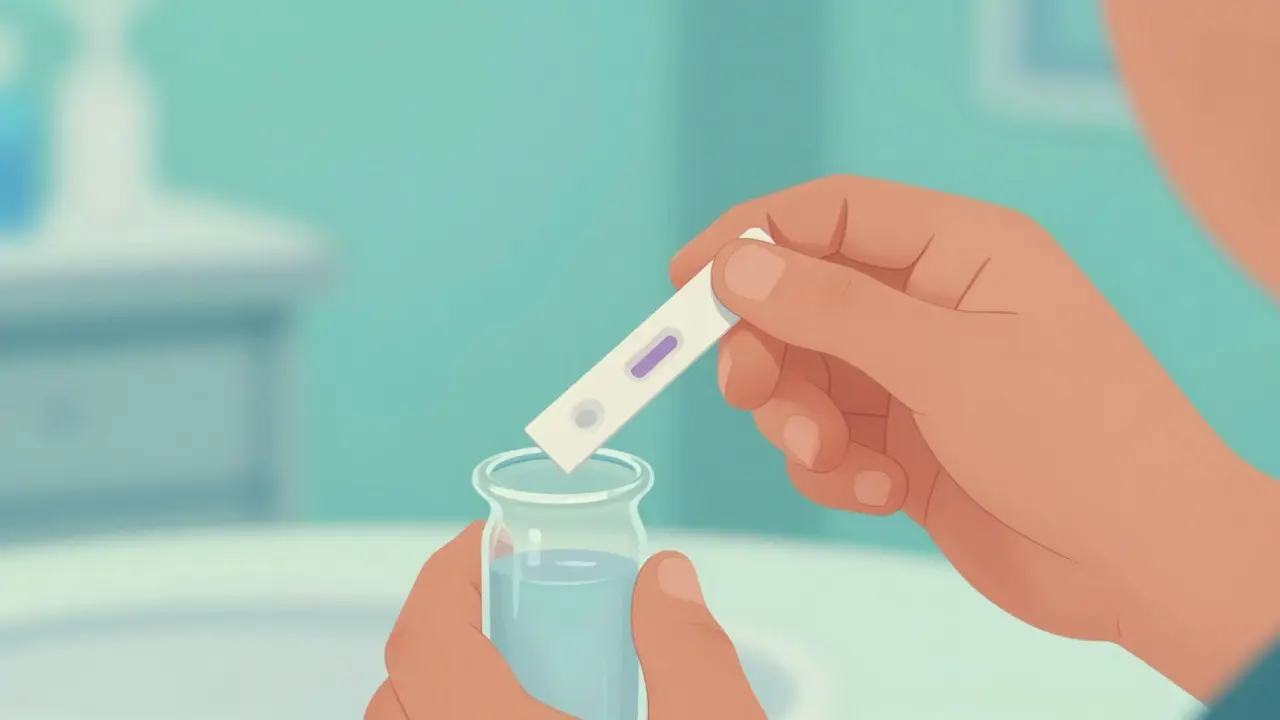
If naloxone is the fire extinguisher, fentanyl test strips are the smoke detector. These small paper strips allow you to test substances for the presence of fentanyl before they are used. They detect concentrations as low as 0.25 nanograms.
Here is how to use them correctly:
- Prepare a sample: Take a tiny amount of the substance (powder, crushed pill, etc.) and mix it with a few drops of water in a clean container.
- Dip the strip: Place the test end of the strip into the solution for about 15-30 seconds. Do not submerge the whole strip, just the bottom part.
- Wait: Lay the strip flat. Wait 5-10 minutes for the result.
- Read the result: Two lines mean negative (no fentanyl detected). One line (the control line only) means positive (fentanyl is present).
A positive test doesn't necessarily mean you should throw the drug away-though that is the safest choice. It means the risk is significantly higher. If you choose to proceed, you must use naloxone, start with a much smaller amount, and never use alone. Remember, test strips only detect fentanyl, not xylazine or other sedatives.
Medical Support: Medication-Assisted Treatment (MAT)
Prevention is most effective when combined with treatment. Medication-Assisted Treatment (MAT) uses FDA-approved medications to manage withdrawal symptoms and cravings. It is not "replacing one drug with another"; it is stabilizing brain chemistry so a person can focus on recovery.
There are three main medications for opioid use disorder:
- Methadone: Available since 1947, this is taken daily at specialized clinics. It prevents withdrawal and reduces cravings.
- Buprenorphine: Approved in 2002, this partial opioid agonist can be prescribed by doctors in regular offices. It has a ceiling effect, meaning the high levels off plateau, reducing overdose risk.
- Naltrexone: Approved for opioids in 2010, this is an antagonist that blocks the effects of opioids entirely. It is often used after detoxification.
The World Health Organization reports that these treatments reduce overdose mortality by 50%. Despite this, access remains a huge barrier. Many rural areas lack providers, and stigma keeps people away. If you or a loved one is struggling, ask a primary care doctor about buprenorphine or look for local MAT programs. It is one of the most powerful tools we have.

Building a Personal Safety Plan
Knowing the tools is step one. Using them consistently is step two. This requires a plan. A safety plan is a written document that outlines specific actions to take when urges arise or risks increase. It removes the guesswork during moments of crisis.
Your safety plan should include:
- Triggers: List situations, emotions, or people that make you want to use substances.
- Coping strategies: Write down three things you can do instead of using (e.g., call a friend, go for a walk, listen to music).
- Emergency contacts: Keep phone numbers for trusted friends, family, and crisis hotlines visible.
- Harm reduction steps: Remind yourself to always have naloxone nearby, test substances, and never use alone.
Consider using the "Never Use Alone" hotline. Operational since 2020, this service allows you to call and stay on the line while you use substances. Operators monitor your breathing and alert emergency services if you become unresponsive. It’s a simple layer of protection that has helped thousands of people.
Community and Social Support
Isolation fuels addiction. When you hide your struggle, you lose your safety net. Reconnecting with supportive communities is vital for long-term prevention.
Look for peer support groups like Narcotics Anonymous (NA) or SMART Recovery. These groups provide accountability and shared experience. You realize you are not alone in your battle. Additionally, educate your close circle. Tell your partner, siblings, or best friends about naloxone and overdose signs. They are your first responders if something goes wrong.
Stigma is a major barrier. Many people with SUDs avoid seeking help because they fear judgment. By normalizing conversations about harm reduction and treatment, we create a safer environment for everyone. Remember, carrying naloxone is not an endorsement of drug use; it is an act of compassion and public health responsibility.
Can naloxone cause harm if given to someone who is not overdosing?
No. Naloxone has no effect on people who do not have opioids in their system. It is safe to administer if you suspect an overdose, even if you are unsure. The worst-case scenario is that the person feels fine, which confirms it wasn't an opioid overdose.
What should I do if naloxone doesn't work?
If there is no response after two minutes, administer a second dose of naloxone. Continue rescue breathing if you are trained. Call 911 immediately. The overdose might be caused by non-opioid substances like xylazine or benzodiazepines, which naloxone cannot reverse. Professional medical help is essential.
Are fentanyl test strips legal everywhere?
Laws vary by location. In many countries and U.S. states, possessing test strips is legal and encouraged as a harm reduction tool. However, some jurisdictions may have restrictions. Check your local laws or contact a local harm reduction organization for guidance on where to obtain them safely.
How long does naloxone last in the body?
Naloxone typically lasts 30 to 90 minutes. Many opioids, especially long-acting ones like methadone or fentanyl, last longer. This means the person can slip back into an overdose once the naloxone wears off. This is why continuous monitoring and emergency medical care are critical after administration.
What is the difference between MAT and detox?
Detox is the process of clearing substances from the body, often managing acute withdrawal symptoms. It is short-term. MAT (Medication-Assisted Treatment) is a long-term approach that uses medications like buprenorphine or methadone to stabilize brain function, reduce cravings, and prevent relapse. MAT is proven to significantly lower overdose death rates compared to detox alone.