

Immunosuppressant Risk Calculator
Personalized Risk Assessment
Based on the latest studies of 24,000+ patients, this tool helps you understand your individual risk of cancer recurrence when starting immunosuppressants after cancer treatment. Note: This tool does NOT replace medical advice.
Your Personalized Risk Assessment
For years, doctors told patients with a history of cancer to wait at least five years before starting immunosuppressants. The fear was simple: if your immune system is turned down, it might not catch cancer coming back. But that rule? It was never based on solid proof. Now, after reviewing data from more than 24,000 patients across dozens of studies, the science has flipped. Immunosuppressants don’t increase the chance of cancer returning - not for most types, not even if you start them six months after treatment ended.
Why the old rule didn’t hold up
The five-year waiting period wasn’t drawn from clinical trials. It was a guess. Doctors, worried about making things worse, played it safe. But safety shouldn’t mean suffering. For people with rheumatoid arthritis, Crohn’s disease, or psoriasis, not taking immunosuppressants can mean constant pain, joint damage, or flare-ups that land them in the hospital. Many of these patients had already beaten cancer - only to face a new battle with their autoimmune condition. The old rule forced them to choose between two bad options. Then came the big studies. The 2016 meta-analysis in Gastroenterology looked at over 11,000 people with prior cancer who were on immunosuppressants. It found no difference in recurrence rates between those on anti-TNF drugs like adalimumab, those on methotrexate or azathioprine, and those on nothing at all. The numbers? Roughly 34 to 38 cases per 1,000 person-years across all groups. No statistically meaningful difference. And then, in 2024, a follow-up study doubled the sample size - 24,382 patients, nearly 86,000 years of follow-up - and found the same thing. Even newer drugs like ustekinumab and JAK inhibitors didn’t raise the risk.What immunosuppressants are we talking about?
Not all immune drugs are the same. The big categories include:- Anti-TNF agents: Infliximab, adalimumab, etanercept. These block tumor necrosis factor, a key driver of inflammation.
- Traditional immunomodulators: Methotrexate, azathioprine, 6-mercaptopurine. These work more broadly to slow immune cell production.
- Newer biologics: Ustekinumab, vedolizumab, secukinumab. These target specific immune pathways.
- JAK inhibitors: Tofacitinib, baricitinib. Oral drugs that block signaling inside immune cells.
- Combination therapy: Often anti-TNF plus methotrexate. This group showed the highest recurrence rate numerically - 54.5 per 1,000 person-years - but even that wasn’t statistically different from the others.
Here’s the surprising part: newer biologics actually showed slightly lower recurrence rates than older drugs, though the difference wasn’t big enough to call it a proven advantage. The real takeaway? No single class of these drugs is riskier than another when it comes to cancer coming back.
Timing doesn’t matter - but cancer type does
One of the biggest myths was that you had to wait five years. The data says otherwise. Whether you started immunosuppressants six months after your cancer treatment or six years later, recurrence rates stayed the same. The P-value? 0.43. That means timing had no measurable effect. But here’s where it gets nuanced: not all cancers are the same. The studies looked at many types - breast, colon, lung, skin - and found consistent results. But there are exceptions. Melanoma, for example, is a different beast. Because it’s highly responsive to immune surveillance, some experts still advise caution. The same goes for blood cancers like leukemia or lymphoma, especially if they’re recent or aggressive. In those cases, the immune system’s ability to keep cancer in check may still be critical.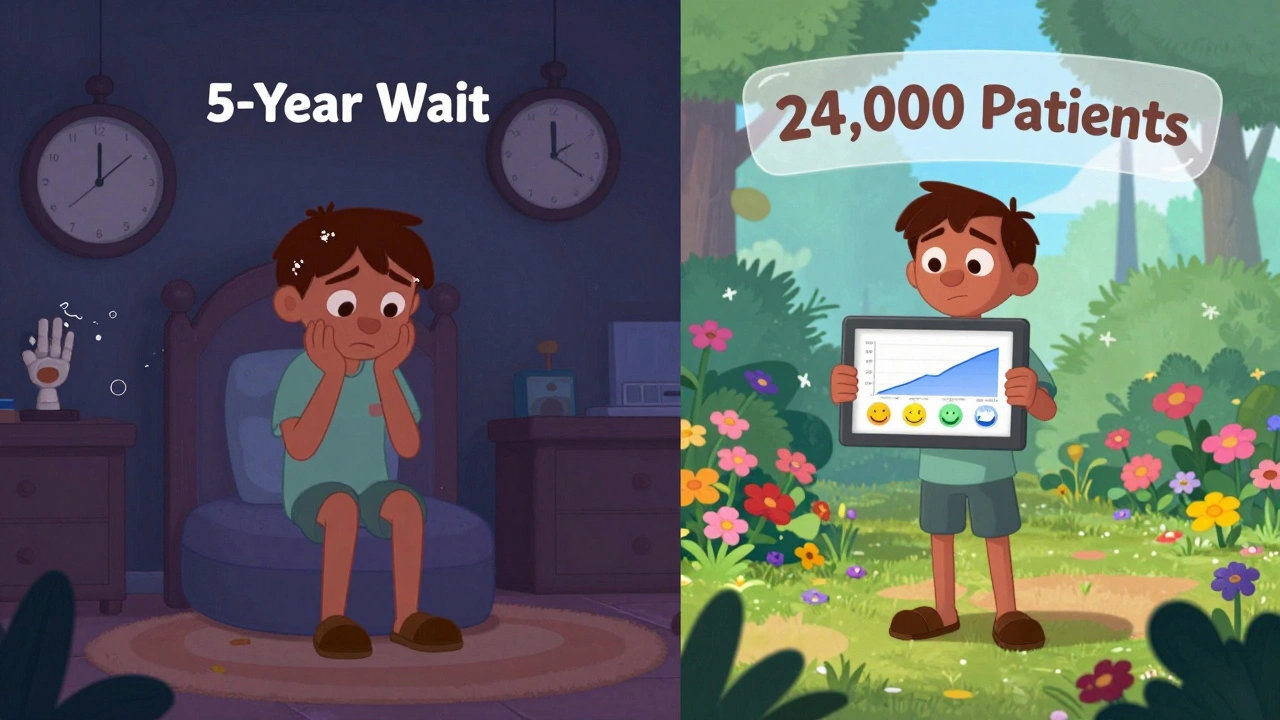
What doctors are doing differently now
The American College of Rheumatology, the European League Against Rheumatism, and other major groups have all updated their guidelines. No more automatic five-year waits. Instead, treatment decisions are now personalized. Doctors ask:- What type of cancer did you have?
- What stage was it?
- When did you finish treatment?
- Are you still in remission?
- How bad is your autoimmune disease?
If you had early-stage breast cancer that’s been in remission for two years, and your arthritis is destroying your hands, starting an anti-TNF drug is now considered safe. If you had stage III melanoma last year, your doctor might hold off - not because the drugs are dangerous, but because your body might still need its full immune power to stay clear.
This shift matters. Before, many patients went without treatment for years. Their autoimmune disease worsened. Joints fused. Organs got damaged. Some even needed surgery. Now, they can get back to living - without fear that their medication is bringing cancer back.
What the data says about new cancers
The studies didn’t just look at cancer coming back. They also tracked new cancers. And here’s another surprise: immunosuppressants didn’t increase the risk of developing a second, unrelated cancer. That’s important. Some worried that long-term immune suppression might lead to more skin cancers or lung cancers. The data says no. The risk of new cancers stayed the same whether patients were on drugs or not.What’s changing in the real world
The science didn’t just stay in journals. It changed prescriptions. After the 2016 findings, biologic use in patients with prior cancer histories jumped by 18.7% between 2017 and 2022, according to IQVIA data. The FDA and EMA updated drug labels to reflect this. You’ll now see lines like: “Clinical studies have not shown an increased risk of cancer recurrence in patients with prior malignancy treated with [this agent].”
What’s still being studied
Science doesn’t stop. Two major studies are underway:- RECOVER (NCT04567821): Tracking IBD patients with prior cancer on various immunosuppressants. Results expected in 2026.
- RHEUM-CARE (NCT04321987): Following 5,000 rheumatoid arthritis patients with cancer histories to see which drugs, if any, carry subtle risks.
These won’t overturn the current consensus - but they might help us fine-tune it. For example, maybe certain JAK inhibitors carry a small risk in older patients with lung cancer history. Or maybe vedolizumab is safer than others for colorectal cancer survivors. We’re not there yet. But we’re getting closer.
What you should do if you’ve had cancer
If you’re on immunosuppressants and had cancer in the past - or are thinking about starting them - here’s what to do:- Don’t assume you need to wait five years. That rule is outdated.
- Bring your oncology records to your rheumatologist or gastroenterologist. Include cancer type, stage, treatment dates, and current status.
- Ask: “Is my cancer type one of the ones we need to be extra careful with?” (Melanoma, blood cancers, late-stage tumors.)
- Ask: “What’s the risk of my autoimmune disease getting worse if I don’t take this drug?”
- Make sure you’re getting regular cancer screenings - mammograms, colonoscopies, skin checks - just like anyone else with a history of cancer.
The goal isn’t to avoid immunosuppressants. It’s to use them wisely. You don’t have to choose between pain and cancer. You can have both good health and good quality of life.
Bottom line
The evidence is clear: immunosuppressants don’t cause cancer to return. The fear that held patients back for decades was based on guesswork, not data. Today, we know better. Treatment decisions should be based on your specific cancer history, your current health, and your quality of life - not on arbitrary time limits. If you’re living with an autoimmune disease and a cancer history, talk to your doctor. You might be able to start or restart treatment sooner than you think - safely.Do immunosuppressants increase the risk of cancer coming back?
No, large studies involving over 24,000 patients show no increased risk of cancer recurrence with anti-TNF drugs, methotrexate, azathioprine, ustekinumab, JAK inhibitors, or combination therapy. The recurrence rates are the same whether patients take these drugs or not.
Should I wait five years after cancer to start immunosuppressants?
No. The five-year waiting rule was never backed by strong evidence. Studies show that starting immunosuppressants six months or six years after cancer treatment carries the same recurrence risk. Treatment timing should be based on your cancer type, stage, and current health - not an arbitrary deadline.
Are some immunosuppressants safer than others after cancer?
All major classes - anti-TNF, traditional modulators, newer biologics, and JAK inhibitors - show similar recurrence risks. Some newer drugs had slightly lower numbers, but the differences weren’t statistically significant. The choice should be based on your disease, not cancer fear.
What if I had melanoma or a blood cancer?
These cancers are exceptions. Melanoma and blood cancers like leukemia or lymphoma rely more heavily on immune surveillance. Experts still recommend caution, especially if treatment ended recently or the cancer was advanced. Your doctor may delay immunosuppressants longer in these cases.
Do immunosuppressants cause new cancers?
No. The same studies that looked at recurrence also tracked new cancers. Patients on immunosuppressants didn’t develop more new cancers than those not on them. Skin cancer, lung cancer, and other types occurred at the same rate.
What should I bring to my doctor’s appointment?
Bring your cancer diagnosis details: type, stage, date of treatment completion, current remission status, and any follow-up scans or tests. Also bring your autoimmune disease history - what symptoms you have, what treatments you’ve tried, and how they affected your life. This helps your doctor weigh risks properly.
Gillian Watson
December 4, 2025 AT 05:02Finally, some common sense. I’ve been telling my rheumatologist for years that the five-year rule felt arbitrary. My RA was wrecking my knees, and I’d beaten breast cancer three years prior. They finally cleared me to start adalimumab last year. No recurrence. Just better mobility and less pain. Glad the data caught up.
Carolyn Ford
December 5, 2025 AT 22:15Oh, please. Of course the drug companies pushed this narrative. They’ve been lobbying for years to get people back on biologics-profit margins, not patient safety. And now you’re telling me melanoma survivors should just ‘talk to their doctor’? Like that’s enough? The system’s rigged. They don’t want you to know the truth: immunosuppressants are just chemical smoke screens with a side of corporate greed.
Gareth Storer
December 6, 2025 AT 22:48So what you’re saying is… we’ve been making people suffer for a decade because doctors were too scared to read a journal? I mean, I get it. Nobody wants to be the one who says, ‘Hey, maybe we were wrong.’ But 24,000 patients? And you’re still telling me to ‘be cautious’ with melanoma? Sounds like a liability hedge dressed up as medicine.
Pavan Kankala
December 8, 2025 AT 19:14They say no increased risk. But what about the 0.2% who get it anyway? Who monitors them? Who pays for their second cancer? The system doesn’t care. It’s all about metrics. You think they’re looking at your life? Nah. They’re looking at the next quarterly report.
Martyn Stuart
December 9, 2025 AT 21:46Important context: The 2024 study controlled for age, smoking status, prior chemo/radiation, and time since cancer diagnosis-all critical confounders. The recurrence rates were nearly identical across all drug classes, including combo therapy. Even the 54.5/1000 rate for anti-TNF + methotrexate? Not statistically significant (p=0.18). This isn’t opinion. It’s meta-analysis-grade evidence. If your doctor still insists on a 5-year wait, ask them to cite the RCT that supports it.
Jessica Baydowicz
December 10, 2025 AT 10:32YESSSSS!!! I’ve been screaming this from the rooftops since my dermatologist gave me the green light after my stage 1 melanoma. I’m on ustekinumab now and my psoriasis is MIRACLE-WORKING. I’m hiking again, wearing shorts, laughing with my kids-none of that was possible before. To anyone scared: your life matters more than a ghost rule. Go get your life back!! 💪❤️
Yasmine Hajar
December 12, 2025 AT 07:10I’m a nurse who’s seen this play out. Patients crying because they can’t walk to the bathroom because they’re too scared to take their meds. Then they finally start treatment-within months, they’re back at work, cooking dinner, going to grandkid’s recitals. The fear was real. The risk? Not so much. This data? It’s life-changing. Thank you for writing this.
Rachel Bonaparte
December 12, 2025 AT 15:54Let’s be honest-this isn’t science. It’s a manufactured consensus. The pharmaceutical-industrial complex has spent billions to reframe immunosuppression as ‘safe.’ But they never studied long-term epigenetic shifts, immune exhaustion, or latent viral reactivation in cancer survivors. And let’s not forget: JAK inhibitors are already linked to cardiovascular events in older populations. Is cancer recurrence really the only metric that matters? Or are we just trading one risk for another while patting ourselves on the back for being ‘evidence-based’?
jagdish kumar
December 13, 2025 AT 06:08Humanity keeps building cages of fear. Then, when the cage cracks, we call it progress. But the real question: Why did we build the cage in the first place?
Benjamin Sedler
December 14, 2025 AT 02:01Wait-so if I had colon cancer and now have Crohn’s, I can just start a JAK inhibitor tomorrow? No waiting? No second opinion? No blood tests? No MRI? What if I’m the 1 in 10,000 who gets a recurrence because I didn’t wait? Who’s liable? The doctor? The FDA? Or the guy who wrote the meta-analysis?
Ollie Newland
December 15, 2025 AT 22:06Anti-TNFs: TNF-alpha blockade → reduced immune surveillance → theoretically higher recurrence risk. But empirically? No signal. That’s the key. Theoretical biology ≠ clinical reality. Also, newer agents like vedolizumab are gut-selective-minimal systemic immunosuppression. Makes sense they’d be safer for GI cancer survivors. This is why we need phenotype-specific guidelines, not blanket rules.
Michael Feldstein
December 16, 2025 AT 17:58Hey-if you’ve had cancer and are considering immunosuppressants, don’t panic. Don’t assume the worst. Talk to your oncologist AND your specialist together. Bring this article. Ask: ‘What’s the worst-case scenario if I wait another year?’ and ‘What’s the worst-case scenario if I don’t treat my autoimmune disease?’ Often, the answer to the second question is worse. You’re not choosing between cancer and pain-you’re choosing between pain and possibility.
Chase Brittingham
December 18, 2025 AT 02:17I had stage 2 Hodgkin’s in 2018. Remission since. My ankylosing spondylitis was getting unbearable. I started adalimumab in 2021. No recurrence. No new cancers. Just a guy who can finally sleep through the night. This isn’t just data-it’s dignity.
Rebecca Braatz
December 18, 2025 AT 17:24If you’re scared, you’re not alone. But don’t let fear make your decision for you. I’ve helped over 30 patients restart biologics after cancer. Every single one of them is thriving. You don’t have to be brave. Just informed. And you deserve to feel better.
Jake Deeds
December 20, 2025 AT 15:31It’s easy to say ‘trust the data’ when you’ve never lost someone to cancer recurrence. But for those of us who have? This feels like a betrayal. The medical community spent decades warning us. Now they flip the script overnight? Who’s to say the next study won’t say the opposite? Who’s to say the ‘safe’ drugs aren’t just slower killers? This isn’t progress-it’s moral convenience.