
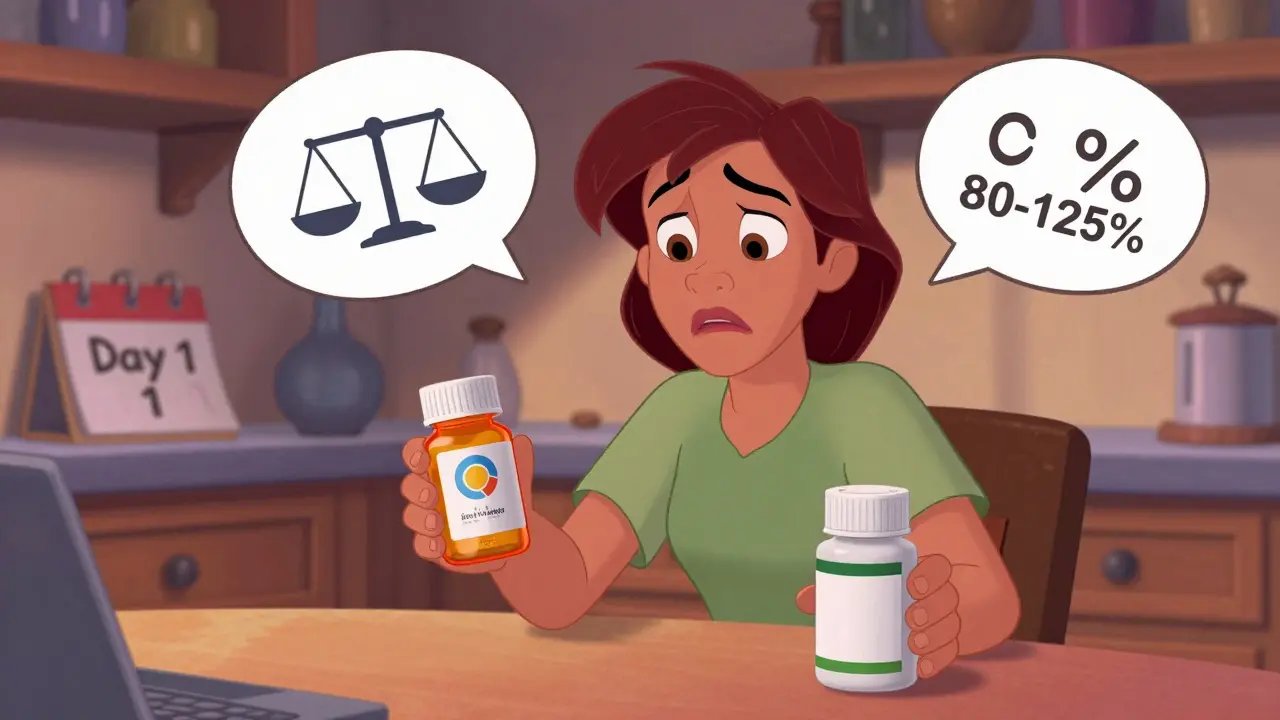
Did you know that bioequivalence, the standard used to approve generic drugs, allows for a difference in drug exposure of up to 44% between the brand-name version and its generic counterpart? While this sounds alarming, it is within legal limits. However, for some patients, especially those on sensitive medications, that margin can mean the difference between feeling fine and feeling terrible. If your pharmacy recently swapped your prescription from a brand-name drug to a generic one, you might be wondering if the new pill is working just as well. Tracking medication effectiveness isn't just about checking your blood pressure; it requires a systematic approach to ensure your health remains stable.
Understanding the Generic Switch
First, let’s clear up what actually happens during a switch. The FDA mandates that generic drugs must be "bioequivalent" to their brand-name counterparts. This means the generic must deliver the same amount of active ingredient into your bloodstream over the same period. Specifically, 90% confidence intervals for absorption metrics must fall within an 80-125% range. For most drugs, like common antibiotics or simple pain relievers, this works perfectly. You take the pill, and it works.
However, not all drugs are created equal. Some medications have a Narrow Therapeutic Index (NTI). These are drugs where a small change in dose or absorption can lead to serious side effects or treatment failure. Examples include warfarin (a blood thinner), levothyroxine (for thyroid issues), and certain anti-seizure medications. If you are taking an NTI drug, the stakes are higher. Studies show that patients switched from brand to generic levothyroxine experienced TSH fluctuations beyond the therapeutic range at significantly higher rates than those who stayed on the brand. This is why tracking is not just a suggestion-it’s a safety necessity for these specific groups.
The 4-Phase Tracking Protocol
You don’t need to become a clinical researcher to monitor your health, but you do need a plan. Experts recommend a structured approach similar to protocols used by major healthcare systems like Kaiser Permanente. Here is how you can implement this at home:
- Phase 1: Pre-Switch Baseline (Days Before)
Document your current status. If you take warfarin, note your latest INR. If you have diabetes, record your recent HbA1c or daily glucose logs. For psychiatric meds, rate your mood stability on a scale of 1-10. Having a concrete baseline makes it easier to spot changes later.
- Phase 2: The First Week (Days 1-7) Pay close attention to any immediate physical reactions. Are you experiencing new headaches, nausea, or dizziness? Contact your pharmacist immediately if you notice anything unusual. This is also the time to confirm you understand how to take the new pill correctly, as inactive ingredients can sometimes affect digestion speed.
- Phase 3: Active Monitoring (Days 8-90) This is the critical window. For NTI drugs, aim for weekly lab checks if possible. For non-NTI drugs, check in with yourself monthly. Keep a simple logbook or use a health app to record symptoms, vital signs, or lab results. Look for trends, not just single data points.
- Phase 4: Stabilization (Day 91+) If everything looks stable after three months, you can transition back to standard monitoring schedules. However, always keep a copy of your pre-switch baseline records in case you need to compare them years down the line.

What Metrics Should You Actually Track?
Tracking effectiveness depends entirely on what condition you are treating. Vague feelings like "I don't feel right" are hard to act upon. Instead, focus on objective metrics where possible.
- Laboratory Values: This is the gold standard. For thyroid patients, TSH levels are key. For heart patients, cholesterol panels or INR scores provide undeniable data. If your labs drift outside your target range after a switch, that is a red flag.
- Symptom Diaries: For conditions like epilepsy or depression, labs aren't enough. Keep a daily log. Note seizure frequency, severity, or duration. For mental health, track sleep quality, anxiety spikes, or mood episodes. Consistency is crucial here-logging every day helps filter out normal life stressors from medication issues.
- Healthcare Utilization: Watch for an increase in urgent care visits or emergency room trips. Research indicates that patients switching to generic antiepileptic drugs saw a notable increase in ER visits compared to those who stayed on brands. If you find yourself running to the doctor more often, link it back to the medication change.
Red Flags: When to Call Your Doctor
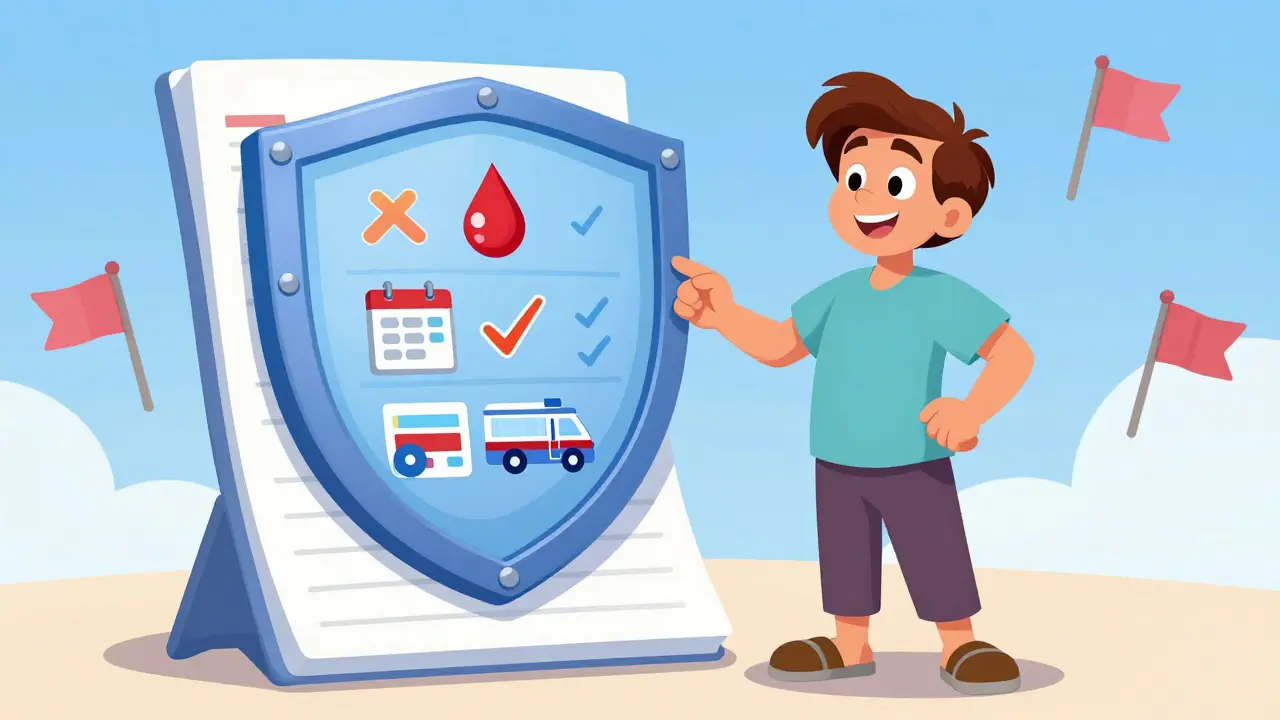
Not every bad day is caused by the generic switch. Life happens. But there are specific warning signs that suggest the medication is no longer effective or is causing harm. You should contact your healthcare provider if:
- Your lab results deviate by more than 15% from your established baseline within 90 days.
- You experience a return of symptoms that were previously controlled (e.g., breakthrough seizures, uncontrolled high blood pressure).
- You develop new side effects that weren't present with the brand-name drug, such as severe gastrointestinal distress or allergic reactions to inactive ingredients.
- You find yourself missing doses because the new pill tastes different or causes mild nausea, leading to poor adherence.
If you see these signs, do not simply stop taking the medication. Abruptly stopping many drugs, especially antidepressants or blood thinners, can be dangerous. Instead, call your prescriber. In many cases, they can write a new prescription specifying "Dispense as Written" or "Brand Medically Necessary" to get you back to the original formulation.
The Role of Pharmacists and Technology
You are not alone in this process. Pharmacists are your first line of defense. In South Africa and globally, pharmacists are increasingly using Medication Therapy Management (MTM) services. Don't hesitate to ask your local pharmacist if they offer follow-up calls after a switch. Studies show that patients who receive follow-up calls at 7, 30, and 90 days post-switch have much higher success rates with generic medications.
Technology is also catching up. Many Electronic Health Records (EHR) now have alerts that notify doctors when a patient switches to a generic NTI drug. Additionally, apps are emerging that allow patients to self-report outcomes directly to their care teams. If your hospital or clinic uses a patient portal, check if there is a feature to report adverse events or medication concerns. Using these tools ensures your doctor sees the data before your next appointment.
Common Myths About Generics
It is easy to fall into the trap of thinking generics are "inferior." They are not. The vast majority of generic drugs work exactly as well as brand names. The FDA approves them rigorously. The issue lies in individual variability. Your body might metabolize the specific filler or binder in the generic differently than the brand. This doesn't mean the drug is bad; it just means it isn't the right fit for *your* unique biology. Recognizing this distinction helps you advocate for yourself without dismissing the value of cost-saving generics for others.
Is it safe to switch from a brand-name drug to a generic?
Yes, for most medications, switching to a generic is safe and effective. The FDA requires generics to be bioequivalent, meaning they deliver the same amount of active ingredient into your bloodstream. However, for Narrow Therapeutic Index (NTI) drugs like warfarin or levothyroxine, close monitoring is essential because small differences in absorption can impact health outcomes.
What are Narrow Therapeutic Index (NTI) drugs?
NTI drugs are medications where a small change in dose or blood concentration can lead to serious side effects or loss of efficacy. Examples include blood thinners (warfarin), thyroid hormones (levothyroxine), and anti-seizure medications. Patients on these drugs require stricter tracking after a generic switch.
How long should I monitor my health after a generic switch?
Experts recommend a minimum of 90 days of active monitoring. For NTI drugs, weekly lab checks may be needed initially. For other medications, monthly symptom logs and standard follow-ups are usually sufficient. If you remain stable after three months, you can return to routine care schedules.
Can I ask my doctor to stay on the brand-name drug?
Yes. If you experience negative effects or instability with the generic, you can request that your prescriber mark the prescription as "Dispense as Written" or "Brand Medically Necessary." Insurance plans may require prior authorization, but your health comes first.
Do inactive ingredients in generics matter?
Yes, they can. While the active ingredient is the same, inactive ingredients (fillers, binders, dyes) differ between manufacturers. Some patients may have sensitivities or allergies to these components, which can cause digestive issues or allergic reactions. Tracking side effects can help identify if an inactive ingredient is the culprit.