
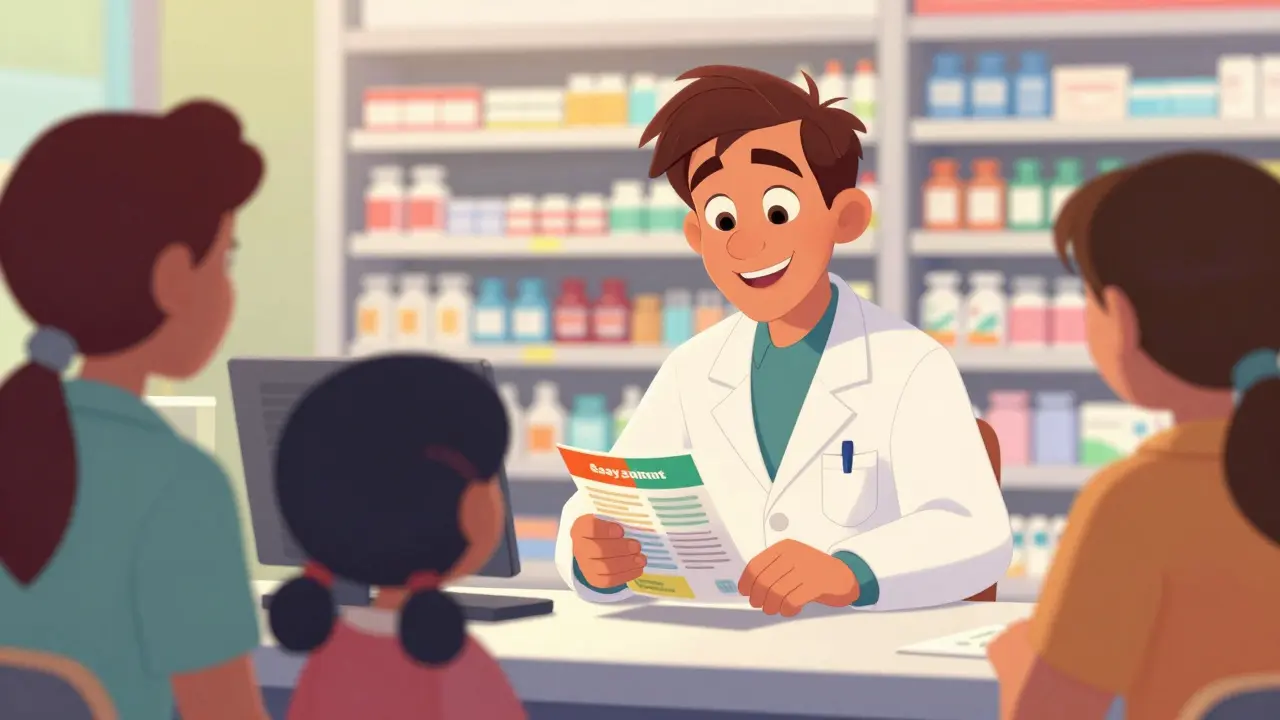
Medication errors cause thousands of preventable deaths every year, and poor adherence costs the healthcare system billions. You might assume your pharmacist hands you a prescription and expects you to figure out the rest. That is not how it works anymore. In fact, federal law and updated professional standards require pharmacists to provide specific, evidence-based education materials. But here is the catch: most patients leave the counter with just a verbal summary that they forget by the time they get home. The difference between taking a drug correctly and making a dangerous mistake often comes down to what you ask for at the pharmacy window.
You have the right to request detailed, written, and visual resources tailored to your specific health needs. Knowing exactly what to ask for can transform your treatment plan from a confusing list of instructions into a clear, manageable routine. This guide breaks down the legal requirements, the new 2025 standards, and the specific materials you should demand to ensure your safety.
The Legal Foundation: What You Are Entitled To
Many people do not realize that patient counseling is not optional; it is mandated by federal law. The Omnibus Budget Reconciliation Act of 1990 (OBRA '90) established the baseline requirement for pharmacists to offer counseling to Medicaid beneficiaries. Over the decades, this standard expanded. Today, 47 states have additional laws requiring pharmacists to document these interactions in patient records. As of 2024, 100% of U.S. states require some form of patient counseling.
The core of this legal framework is defined by the American Society of Health-System Pharmacists (ASHP). Their guidelines specify nine critical elements that must be covered during any counseling session. When you pick up a new medication, your pharmacist is legally obligated to explain:
- The medication name and its purpose.
- Dosage form, amount, route, and schedule, including how long to take it.
- Directions for preparation and administration adapted to your lifestyle.
- What to do if you miss a dose.
- Expected benefits and when you will notice them.
- Common adverse effects and how to manage them.
- Techniques for self-monitoring your therapy.
- Proper storage requirements.
- Potential drug-drug interactions or disease contraindications.
If your pharmacist skips any of these points, they are falling short of the standard. You can politely ask, "Can we go over the ASHP counseling points for this new script?" This simple question signals that you expect thorough care.
New Standards for 2026: The JCPP Patient Care Process
The landscape of pharmacy care shifted significantly with the release of the Joint Commission of Pharmacy Practitioners (JCPP) Pharmacists' Patient Care Process (PPCP) update on May 20, 2025. This document moves beyond basic compliance to emphasize "person-centered care." It requires pharmacists to partner with you to create cost-conscious, evidence-based care plans.
For you as a patient, this means the conversation should no longer be one-sided. The 2025 PPCP mandates that pharmacists confirm your understanding and agreement with the treatment goals. If you are unsure about how a drug fits into your daily life, the pharmacist must adjust the plan. Additionally, starting January 2026, Medicare Part D plans are required to include pharmacist-conducted medication therapy management as a benefit. This expands access to comprehensive education for millions of beneficiaries, ensuring that older adults receive more than just a quick handout.
Specific Materials to Request at the Counter
Verbal instructions fade quickly. Research shows that patients retain very little information after leaving a stressful clinical environment. To bridge this gap, you should actively request tangible resources. Here is exactly what to ask for:
- Customized Handouts: Ask for printed materials that match your specific medication. Resources like the Patient Education Reference Center (PERC) offer over 15,000 evidence-based handouts in English and Spanish. These can be customized with your name and dosage details.
- Visual Aids: If you use an inhaler, insulin pen, or eye drops, ask for a demonstration. Studies show that 87% of patients report greater clarity when pharmacists demonstrate administration techniques compared to physician instructions alone. Request a "return demonstration" where you show the pharmacist how you would use the device to confirm you got it right.
- Language-Specific Resources: If English is not your first language, insist on materials in your preferred language. PERC provides Spanish versions for 92% of common medications. Do not settle for a translated app if you prefer paper; ask for printed guides.
- Personalized Schedules: Ask for a written schedule that fits your daily routine. A 2023 study found that 73% of patients improved their adherence when given a personalized schedule rather than generic "take twice daily" instructions.
- Documentation in Your Record: Confirm that the counseling session is documented in your medical record. This ensures continuity of care if you switch providers or pharmacies.

Why Pharmacist Materials Beat Online Searches
You could search for your medication online, but general internet searches often lead to fear-mongering forums or overly technical manufacturer labels. Pharmacist-provided materials differ because they are filtered through clinical expertise. Pharmacists average 6.2 years of clinical experience in medication therapy management, allowing them to tailor information to your specific health profile.
| Source | Strengths | Limitations | Best For |
|---|---|---|---|
| Pharmacist Counseling | Personalized, addresses interactions, demonstrates technique | Time constraints in busy chains | New prescriptions, complex regimens |
| Physician Instructions | Broad disease context, diagnosis explanation | Limited detail on administration mechanics | Understanding the "why" behind treatment |
| Online Databases (e.g., WebMD) | Accessible 24/7, comprehensive lists | Generic, high anxiety potential, lacks personalization | Quick reference, symptom checking |
| FDA Medication Guides | Legally mandated safety info for high-risk drugs | Dense language, low readability | Legal safety requirements |
While digital platforms like UpToDate provide excellent multimedia resources, they lack the human interpretation needed to address individual barriers. A pharmacist can see that you are shaking and adjust their advice accordingly; a website cannot.
Overcoming Barriers: Literacy and Health Disparities
A major challenge in patient education is health literacy. Approximately 80 million U.S. adults have limited health literacy, yet only 35% of current pharmacy handouts meet the recommended ≤6th-grade reading level. If you find the provided materials confusing, speak up. You have the right to ask for simplified instructions.
Additionally, cultural responsiveness remains a gap. Only 28% of current pharmacy education resources address social determinants of health. If you face financial barriers, ask your pharmacist about lower-cost alternatives. Data shows that only 18% of patients report pharmacists discussing cost issues, even though 62% need help. Proactively asking, "Is there a generic option or a coupon program available?" can save you money and improve adherence.
How to Prepare for Your Consultation
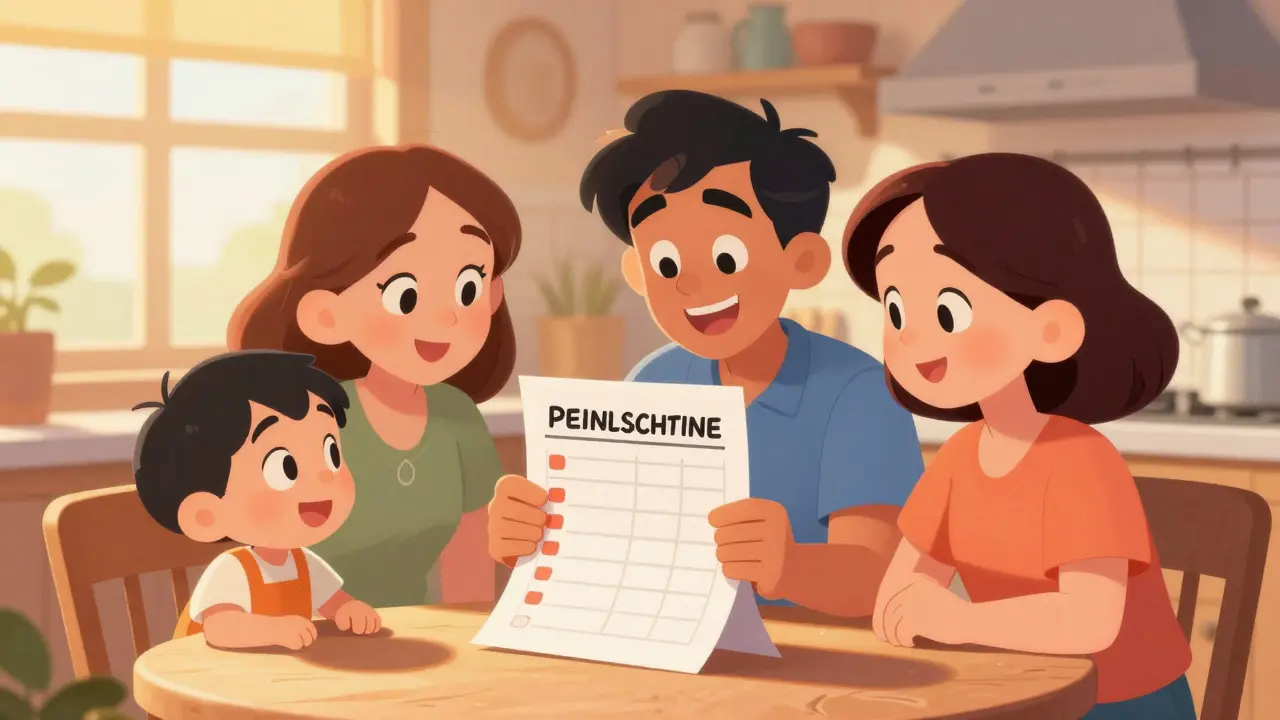
To make the most of your interaction, prepare using the "7 Essential Questions" framework endorsed by ASHP. Write these down before you arrive:
- What is this medication for?
- How and when should I take it?
- What should I do if I miss a dose?
- What side effects should I expect?
- How will I know if it is working?
- How should I store it?
- Is there anything else I need to know?
Bringing a list of all your current medications, including over-the-counter supplements, helps the pharmacist check for interactions. This proactive approach transforms you from a passive recipient into an active partner in your care.
Troubleshooting Poor Experiences
If you feel rushed or ignored, you are not alone. Surveys indicate that 42% of patients feel pharmacists rush through counseling, particularly in large chain stores. If this happens, try these steps:
- Schedule a Dedicated Time: Call ahead and ask for a "medication therapy management" appointment rather than waiting in line. This guarantees uninterrupted time.
- Request a Manager or Clinical Specialist: If the staff pharmacist is overwhelmed, ask to speak with a senior clinician who may have more time for education.
- Switch Pharmacies: Independent pharmacies often report higher satisfaction rates (32% vs 68% in chains for rushing complaints). Consider finding a local provider who prioritizes patient relationships.
- Document the Issue: If critical information was omitted, contact your doctor to clarify. You can also file feedback with the pharmacy’s corporate office to advocate for better service standards.
Are pharmacists legally required to give me written materials?
Federal law (OBRA '90) mandates oral counseling offers. However, 47 states require pharmacists to provide supplemental written materials upon request, and many require documentation of the counseling in your record. While not every state mandates handing you a flyer automatically, you have the right to request them, and they must provide them if state law applies.
What should I do if I don't understand the medication instructions?
Do not leave the pharmacy confused. Ask the pharmacist to explain it again in simpler terms or use visual aids. You can request materials at a lower reading level (≤6th grade) or in your native language. If you still struggle, ask for a demonstration of how to take the medication and then perform a "return demonstration" to prove you understand.
How does the 2025 JCPP update affect my care?
The 2025 Pharmacists' Patient Care Process emphasizes partnership. It requires pharmacists to confirm you understand and agree with your treatment goals. This means they should spend more time listening to your barriers and adjusting the plan, rather than just dictating instructions. It also strengthens the requirement for documenting these conversations.
Can I get medication education in languages other than English?
Yes. Resources like PERC offer materials in Spanish for 92% of common medications, and UpToDate provides content in 18 languages. You should explicitly ask for materials in your preferred language to ensure accurate comprehension.
What if my pharmacist rushes through the counseling?
If you feel rushed, ask to schedule a dedicated Medication Therapy Management (MTM) appointment. Alternatively, consider switching to an independent pharmacy where counselors often have more time. You can also request to speak with a clinical specialist or manager within the store for a more thorough review.