
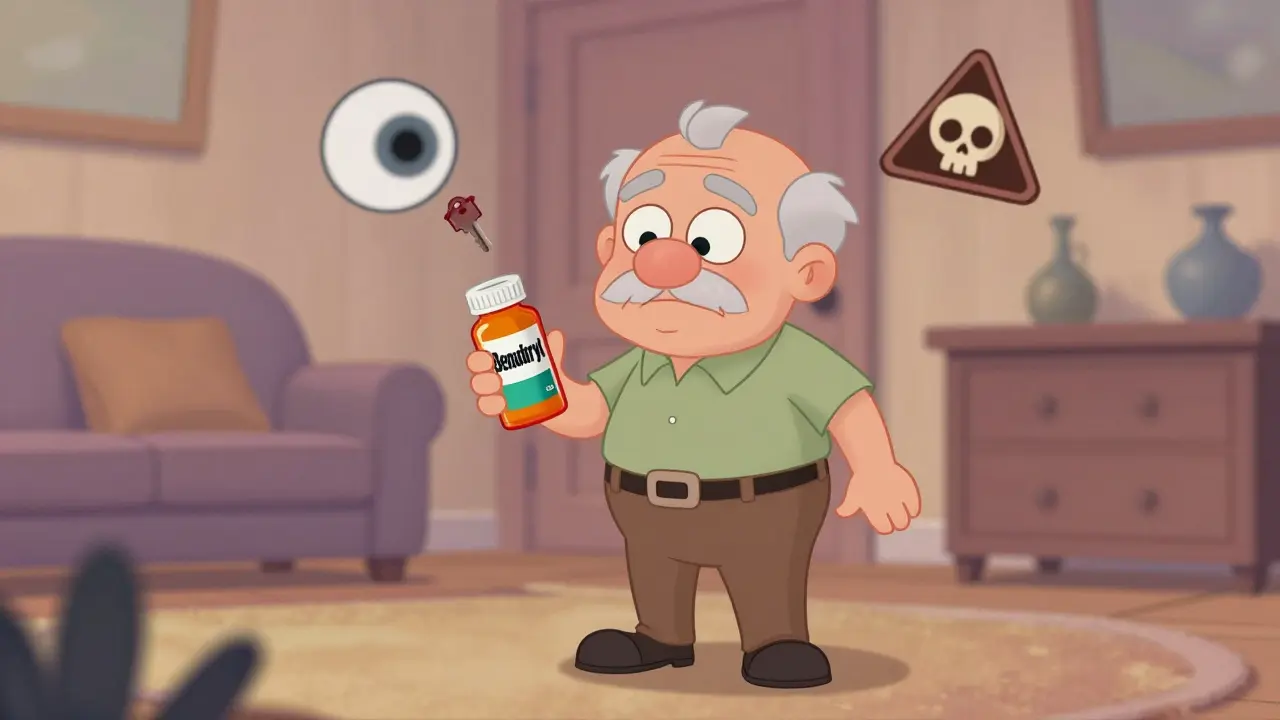
Every year, millions of people reach for antihistamines and decongestants to fight sneezing, stuffy noses, and itchy eyes. These pills are everywhere-on pharmacy shelves, in grocery stores, even in vending machines. You don’t need a prescription. You don’t even need to talk to anyone. But just because they’re easy to get doesn’t mean they’re safe to use without thinking. Many people don’t realize these common allergy meds can cause serious problems, especially if they have high blood pressure, are over 65, or are taking other medications. The risks aren’t rare. They’re hidden in plain sight.
What Antihistamines Actually Do (And How They Can Hurt You)
Antihistamines block histamine, the chemical your body releases during an allergic reaction. That’s why they help with runny noses, watery eyes, and itching. But not all antihistamines are the same. First-generation ones like diphenhydramine (Benadryl) and doxylamine (Unisom) cross the blood-brain barrier. That’s why they make you drowsy-sometimes so badly you can’t drive or operate machinery. About 60% of users feel sleepy. That number jumps to 80% in older adults.
But drowsiness isn’t the worst of it. These drugs also dry out your mouth, make you constipated, blur your vision, and can stop your bladder from working properly. For men with enlarged prostates, this isn’t just uncomfortable-it can lead to urinary retention, which requires emergency treatment. In people over 65, diphenhydramine increases the risk of falls by 300%. AARP warns it can also cause confusion, anxiety, and memory problems. These aren’t side effects you can just ‘get used to.’ They’re signs your body is reacting dangerously.
Second-generation antihistamines like loratadine (Claritin), cetirizine (Zyrtec), and fexofenadine (Allegra) are much safer. They barely cross into the brain, so drowsiness affects only 10-15% of users. But even these aren’t risk-free. If you have liver or kidney disease, your body can’t clear them properly. If you have glaucoma, they can raise eye pressure. If you’re diabetic, they might mask low blood sugar symptoms. The FDA says children under 2 should never get these meds. There have been over 100 reported deaths in young kids from accidental overdose.
Decongestants: The Hidden Cardiovascular Threat
Decongestants like pseudoephedrine (Sudafed) and phenylephrine shrink swollen blood vessels in your nose. That’s why your nose clears up fast. But they don’t just target your nose. They tighten blood vessels everywhere-in your heart, brain, kidneys. That’s why they can spike your blood pressure. Even in healthy people, they raise systolic pressure by 1-3 mmHg. In someone with existing hypertension, that jump can be 5-10 mmHg. That’s enough to trigger a stroke or heart attack.
Mayo Clinic says 116 million American adults have high blood pressure. Many of them take decongestants without knowing it’s dangerous. The NHS and WebMD both list hypertension as a hard no for these meds. But it’s not just blood pressure. Decongestants can cause heart palpitations, nervousness, insomnia, and anxiety. Some users report hallucinations. That’s rare-about 1 in 2,000-but it happens. And if you’re taking antidepressants like SSRIs or MAOIs, the combination can cause a hypertensive crisis-blood pressure soaring above 180 mmHg. That’s a medical emergency.
Nasal sprays like oxymetazoline (Afrin) seem safer because they’re local. But they’re not. Use them longer than three days, and you get rebound congestion. Your nose gets worse than before. About half of long-term users develop this. It’s not addiction-it’s physiology. Your blood vessels stop responding to the drug and stay swollen. You end up using more and more, trapped in a cycle. The FDA requires all nasal decongestant sprays to warn against use beyond three days. Yet most people ignore it.
Combination Products: The Silent Overdose Risk
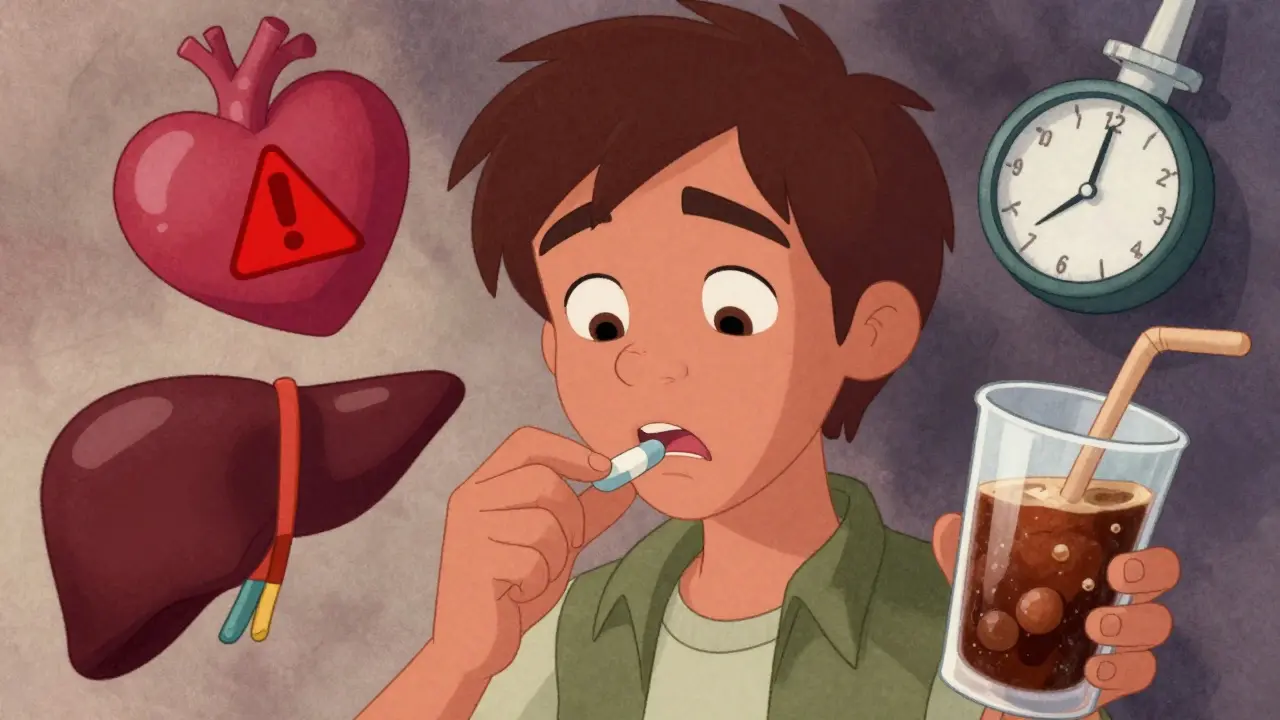
Most cold and allergy products aren’t single-ingredient. They’re mix-and-match formulas: antihistamine + decongestant + pain reliever + cough suppressant. That’s convenient-until it’s deadly. The biggest danger? Acetaminophen. It’s in over 600 medications, including many ‘all-in-one’ allergy cold pills. The safe daily limit is 4,000 mg. But if you take one of these combo pills on top of Tylenol for a headache, you can easily hit 6,000 or 8,000 mg. That’s enough to cause acute liver failure. In 2022, the FDA reported over 2,000 ER visits from accidental acetaminophen overdose, many from combo OTC meds.
And it’s not just liver. Antihistamines in these pills can worsen asthma or make urinary problems worse. Decongestants can trigger panic attacks in people with anxiety disorders. Energy drinks? Don’t mix them. Caffeine + pseudoephedrine = racing heart, chest pain, even seizures. Rutgers University’s Poison Control Center saw a 25% spike in calls from young adults combining OTC meds with energy drinks in 2022.
Who Should Never Take These Meds
These aren’t just ‘use with caution’ warnings. For some people, these meds are outright forbidden.
- High blood pressure - Decongestants can trigger strokes.
- Heart disease - Increased heart rate and blood pressure strain your heart.
- Enlarged prostate - Antihistamines can cause urinary retention.
- Glaucoma - Antihistamines raise eye pressure, risking vision loss.
- Thyroid problems - Decongestants can trigger hyperthyroid crisis.
- Diabetes - Antihistamines can mask low blood sugar symptoms.
- Pregnancy - Decongestants are risky in the first trimester. Stick to second-gen antihistamines only under doctor supervision.
- Over 65 - First-gen antihistamines are on the Beers Criteria list of medications to avoid in seniors. They increase dementia risk and fall risk dramatically.
And if you’re taking MAO inhibitors (like phenelzine or selegiline for depression), decongestants can kill you. The interaction causes a sudden, massive spike in blood pressure. Mayo Clinic says you must wait two full weeks after stopping an MAOI before using any decongestant.
What to Do Instead
You don’t have to suffer. There are safer options.
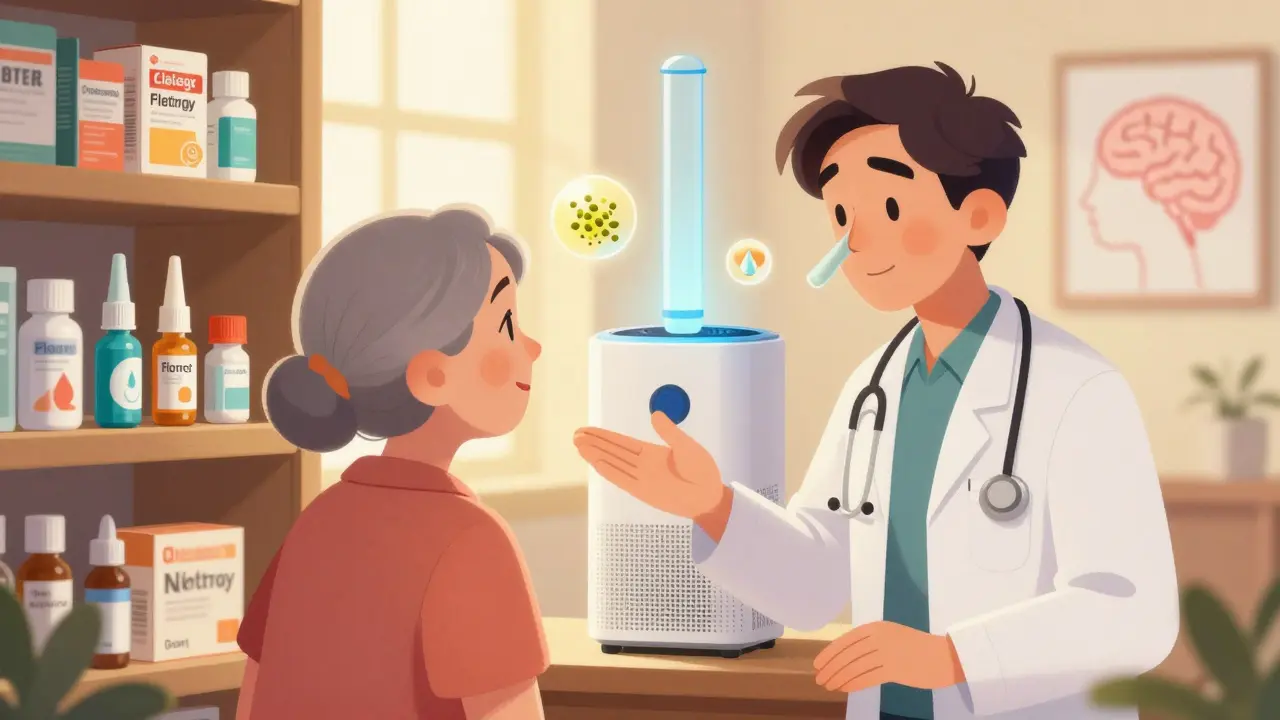
- Intranasal corticosteroids (like Flonase or Nasacort) are more effective than decongestants for chronic congestion-and they don’t raise blood pressure. Mayo Clinic says they’re the gold standard for long-term allergy control.
- Saline nasal rinses (Neti pots or sprays) clear allergens and mucus without drugs. They’re safe for kids, pregnant women, and seniors.
- Allergy shots or tablets (immunotherapy) treat the root cause, not just symptoms. They take months to work but can reduce or eliminate the need for meds over time.
- Environmental controls - Air purifiers, HEPA filters, washing bedding weekly, keeping windows closed during pollen season-these work better than pills for many people.
If your symptoms last more than 10-14 days, it’s not allergies. It’s a sinus infection, a structural issue, or something else. Prolonged OTC use delays real diagnosis. Dr. James Li from Mayo Clinic says, ‘It’s always best to speak to your primary health care provider before starting new medications.’ That advice is more important now than ever.
How to Use These Meds Safely
If you decide to use them, here’s how to do it right:
- Read the label. Look for active ingredients. Don’t just rely on brand names.
- Check for acetaminophen. If you’re taking anything else with it, subtract that dose from your daily limit.
- Never use nasal sprays longer than 3 days.
- Don’t combine with alcohol, sleeping pills, or anxiety meds.
- Ask your pharmacist. They see 78% of OTC medication errors before they happen. A five-minute chat can prevent an ER visit.
- For seniors: Avoid diphenhydramine and doxylamine entirely. Choose second-gen antihistamines only if approved by a doctor.
- For kids under 6: Don’t use OTC cold or allergy meds. They don’t work well and carry serious risks.
Just because a medicine is sold over the counter doesn’t mean it’s harmless. It means it’s widely used-and that’s exactly why the risks are so high. People think, ‘It’s just a pill.’ But a pill can change your blood pressure, stop your bladder, blur your vision, or shut down your liver. These aren’t theoretical risks. They’re documented, preventable, and happening every day.
Can antihistamines make my allergies worse?
Yes, in some cases. First-generation antihistamines can thicken mucus, making it harder to drain from your sinuses. That can lead to bacterial infections, which feel like worsening allergies. If your symptoms get worse after a few days of antihistamines, it’s not the allergy-it’s a secondary infection. See a doctor.
Is it safe to take decongestants if I have high blood pressure?
No. Decongestants like pseudoephedrine and phenylephrine raise blood pressure and can trigger heart attacks or strokes in people with hypertension. Even if your blood pressure is controlled, these meds can push it into a dangerous range. Use saline rinses or intranasal corticosteroids instead.
Why do some allergy meds make me feel wired or anxious?
That’s usually the decongestant. Pseudoephedrine is a stimulant. It wakes up your nervous system, which is why it helps with congestion-but it also causes jitteriness, racing heart, and anxiety. If you feel this way, stop taking it. Switch to a non-decongestant option like loratadine or cetirizine.
Are second-generation antihistamines completely safe?
They’re much safer than first-gen, but not risk-free. They can still cause dry mouth, headaches, or dizziness. People with liver or kidney disease may build up the drug in their system. And they can interact with other meds. Always check with your doctor if you have chronic health conditions.
Can I take allergy meds while breastfeeding?
Second-generation antihistamines like loratadine and cetirizine are considered low-risk in small doses. Decongestants like pseudoephedrine can reduce milk supply. Avoid them unless your doctor says it’s safe. Always check with your OB-GYN or pediatrician before taking anything while breastfeeding.
What should I do if I accidentally took too much?
Call your local poison control center immediately. In the U.S., it’s 1-800-222-1222. Don’t wait for symptoms. Overdose on antihistamines can cause seizures or heart rhythm problems. Overdose on decongestants can cause stroke or heart attack. Even if you feel fine, get help.
How do I know if my congestion is allergies or something else?
Allergies usually last weeks or months, especially during pollen season. They don’t cause fever. If you have fever, thick yellow/green mucus, facial pain, or symptoms lasting over two weeks, it’s likely a sinus infection or another illness. Don’t keep taking OTC meds-see a doctor.
These medications are tools, not solutions. Used wisely, they help. Used carelessly, they hurt. Your body doesn’t care if it’s sold over the counter. It responds to the chemistry. And chemistry doesn’t lie.
Stuart Shield
January 5, 2026 AT 21:37Man, I used to knock back Benadryl like candy till I nearly passed out behind the wheel one night. Didn’t even realize it was the med till my aunt screamed at me for nearly crashing into a mailbox. Now I stick to Zyrtec and a neti pot-no drowsiness, no drama. Also, saline rinses saved my life during pollen season. Who knew water could be that powerful?
Harshit Kansal
January 7, 2026 AT 13:03bro i took that sudafed combo pack last week and felt like i was on crystal meth while my nose was clear. then i couldn’t sleep for 36 hours. i’m never doing that again. just breathe through a damp towel like a caveman.
Vinayak Naik
January 9, 2026 AT 08:36As a pharmacist’s assistant in Delhi, I’ve seen this a hundred times. Grandpa takes Benadryl for allergies, ends up confused, falls, breaks hip. Mom takes pseudoephedrine for ‘just a stuffy nose’ and her BP spikes to 190. No one reads the tiny print. But here’s the thing-Flonase? Cheap, safe, works better than half the pills. And Neti pots? You rinse your sinuses with warm salt water. Sounds weird, feels like a miracle. Try it before you pop another pill.
Katelyn Slack
January 10, 2026 AT 11:08i just found out my mom has been takin tylenol with her allergy med for years and never realized the acetaminophen was doubling up… she’s been having liver issues. this post made me cry. thank you. i’m taking her to the dr tomorrow.
Saylor Frye
January 11, 2026 AT 11:04It’s fascinating how the pharmaceutical-industrial complex has normalized the ingestion of psychoactive substances under the guise of ‘allergy relief.’ The fact that millions ingest first-gen antihistamines daily-drugs once used as sedatives in psychiatric wards-without a second thought speaks volumes about our collective surrender to pharmacological convenience. The real allergy is to critical thinking.
Melanie Clark
January 11, 2026 AT 15:39They don’t want you to know this but the FDA and Big Pharma are in bed together. That’s why these meds are still on shelves. They profit from your liver failure and your strokes. They know decongestants cause heart attacks and they still sell them. Even the warnings are buried in 8pt font. It’s all a scam. And they’re watching you right now. Don’t trust anyone. Even your pharmacist.
Tom Swinton
January 12, 2026 AT 04:30Okay, I need to say this loud and clear: THIS POST IS A LIFESAVER. I’m not exaggerating. My dad had a mini-stroke last year because he was taking Sudafed for his ‘seasonal sniffles’-he didn’t even know he had high blood pressure. I didn’t know either. We thought ‘OTC’ meant ‘safe.’ We were wrong. I printed this out. I gave copies to my aunt, my uncle, my cousin who’s pregnant, my neighbor who’s 72. I’m telling everyone. You need to read the labels. You need to talk to your pharmacist. You need to stop treating your nose like a faucet you can just turn off with chemicals. Your body is not a machine you can hack with pills. It’s sacred. And this? This is the kind of info that saves lives. Thank you. From the bottom of my heart.
Indra Triawan
January 12, 2026 AT 11:36Isn’t it poetic how we’ve turned our bodies into battlegrounds for corporate convenience? We swallow poison to feel better, then wonder why we feel worse. The real allergy is to silence. And the real cure? Awareness. But awareness is too heavy for most. So they keep taking the pill.
Brian Anaz
January 14, 2026 AT 03:45Why are we even letting this happen? In America we have the best doctors and the worst meds. Other countries ban these pills. We let them sit next to candy bars. This isn’t freedom. This is negligence. And if you’re still taking pseudoephedrine after reading this, you’re not just dumb-you’re dangerous to yourself and everyone around you.