

Imagine trying antidepressants for weeks or months, but your depression doesn't improve. This happens to about treatment-resistant depression (TRD). The Sequenced Treatment Alternatives to Relieve Depression (STAR*D) trial, which studied over 2,800 patients from 2001-2006, found that half of all patients don't respond to the first antidepressant they try. After two attempts, 30-40% meet TRD criteria. This isn't just "not getting better"-it's a specific diagnosis requiring different approaches.
What is Treatment-Resistant Depression?
Treatment-Resistant Depression (TRD) is defined as major depressive disorder that doesn't improve after at least two adequate trials of different antidepressants. An "adequate trial" means taking the right dose for long enough-usually 6-8 weeks. When standard treatments fail, quality of life plummets. The economic burden in the U.S. alone is $210.5 billion annually, per the Journal of Clinical Psychiatry (2021).
Augmentation Strategies: Adding Medications to Boost Effectiveness
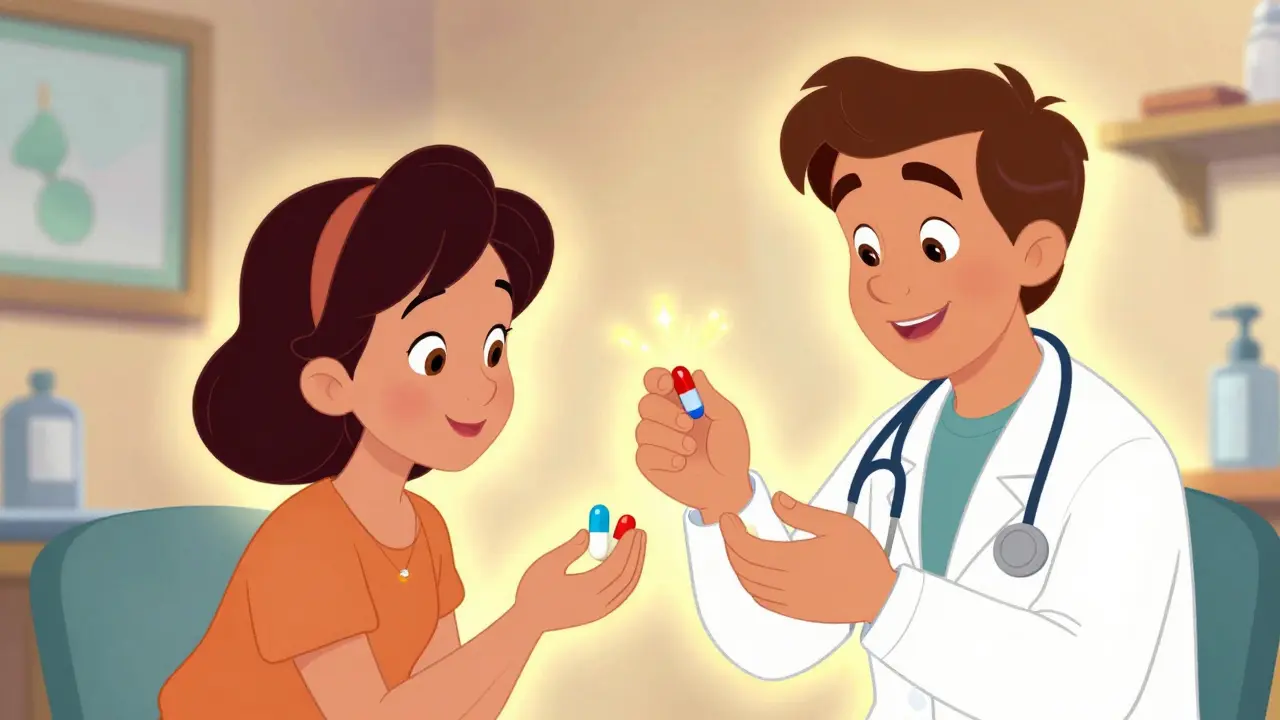
Augmentation means adding another medication to your current antidepressant instead of stopping it. This approach helps boost the effectiveness of your existing treatment. The FDA has approved several drugs for this purpose:
| Medication | Dosage | Effectiveness | Common Side Effects | Key Considerations |
|---|---|---|---|---|
| Aripiprazole (Abilify) | 2-15 mg/day | 24.8% remission rate in VAST-D trial | Restlessness, insomnia | Best for patients with fatigue or sleep issues |
| Brexpiprazole (Rexulti) | 0.5-3 mg/day | 2.57x higher response odds vs placebo | Weight gain, drowsiness | Lower risk of side effects than aripiprazole |
| Quetiapine ER (Seroquel XR) | 150-300 mg/day | 48% response rate in combination with SSRIs | Drowsiness, weight gain | Best for patients with sleep problems |
| Lithium | 0.3-0.6 mEq/L blood level | 2.15x higher response odds vs placebo | Tremors, kidney issues | Requires regular blood tests |
For example, adding aripiprazole to an SSRI like sertraline helps about 25% more people respond compared to placebo alone. In the Veterans Affairs VAST-D trial (2013-2017), aripiprazole led to 24.8% remission rates at 12 weeks-better than switching to bupropion monotherapy (15.5%) or adding bupropion (19.9%). Lithium works well but needs careful monitoring: blood levels must stay between 0.3-0.6 mEq/L to avoid toxicity, as per International Society for Bipolar Disorders guidelines.
Advanced Non-Drug Therapies
When medications aren't enough, non-drug options can help. These are especially useful for patients who can't tolerate side effects or need faster relief.
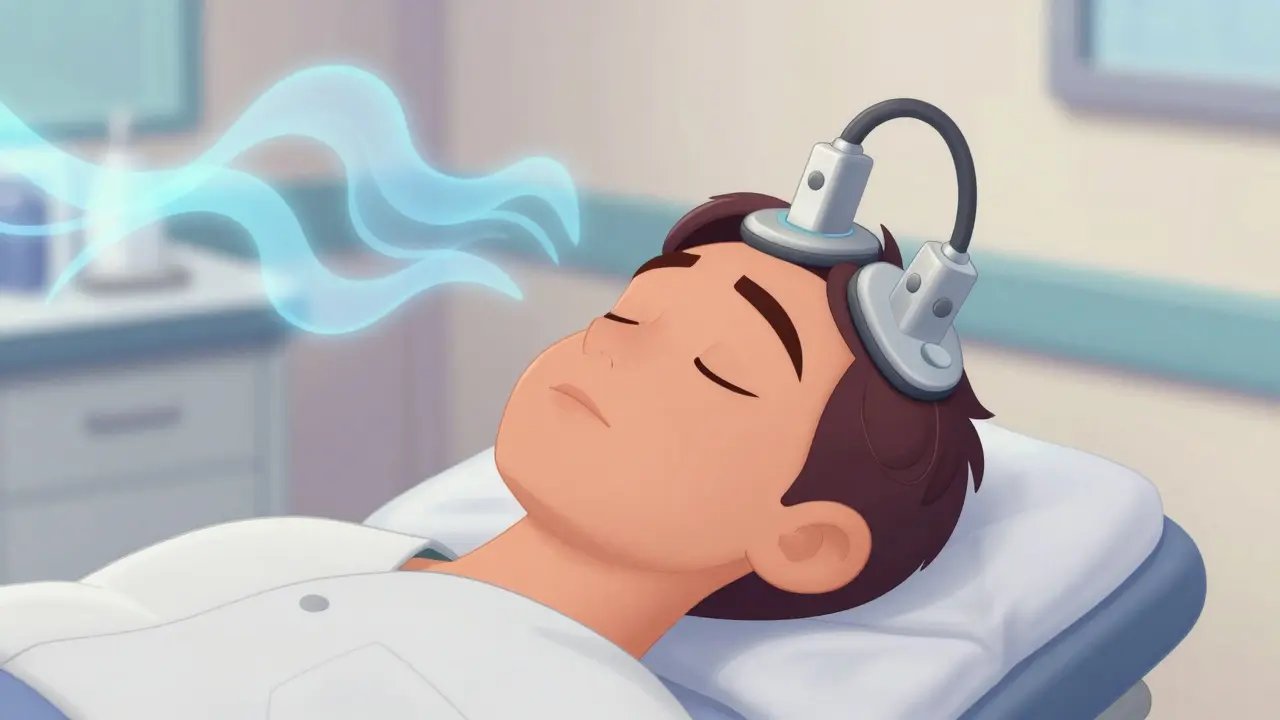
Repetitive Transcranial Magnetic Stimulation (rTMS) is a non-invasive procedure that uses magnetic fields to stimulate brain regions involved in mood. Over 50 randomized trials involving more than 10,000 patients show response rates of 50-55% and remission rates of 30-35% for TRD. Unlike electroconvulsive therapy (ECT), rTMS doesn't require anesthesia and has minimal cognitive side effects. Patients typically get 30-minute sessions five days a week for 4-6 weeks. Many describe it as a gentle tapping sensation on the scalp.
Esketamine (Spravato) is an FDA-approved nasal spray for TRD. In the TRANSFORM-2 trial (2019), 70.3% of patients responded within 4 weeks compared to 47.5% on placebo. It works rapidly-some feel improvement within hours. However, it must be administered in certified clinics due to dissociation risks (occurring in 59.5% of patients) and requires monitoring for two hours after each dose. Esketamine is often used when patients need quick relief but aren't candidates for ECT.
Deep Brain Stimulation (DBS) is still experimental for TRD but shows promise. In a small study (N=6) published in the Journal of Neurosurgery (2017), DBS targeting the subcallosal cingulate cortex achieved a 92% response rate at two years. However, it's invasive (requires brain surgery) and currently only available in research settings due to limited evidence. Early studies showed variable results, with response rates ranging from 29% to 75% over several months.
Challenges and Personalized Treatment
Not all treatments work equally for everyone. Side effects vary widely-quetiapine may cause significant drowsiness and weight gain, while lithium requires regular blood tests to avoid toxicity. A 2022 meta-analysis found that only six treatments (aripiprazole, esketamine, mirtazapine, olanzapine, quetiapine, and risperidone) consistently outperformed placebo. This highlights the need for personalized approaches based on individual symptoms and side effect tolerance.
For example, bupropion augmentation (used in VAST-D) works well for patients with fatigue or sexual dysfunction but may worsen anxiety. Olanzapine-fluoxetine (Symbyax) is effective but causes weight gain in 5-7% of users. Cognitive behavioral therapy (CBT) also helps: a 2022 systematic review showed an effect size of 1.58 when combined with medication. Real-world data from the EU-NEURD registry (2020) shows only 28.4% of TRD patients achieve remission with standard augmentation strategies, underscoring the need for better options.
Next Steps for Patients
If you suspect TRD, talk to your psychiatrist. Ask about your current treatment's adequacy-was it a full trial at the right dose? Discuss options like augmentation, rTMS, or esketamine. Keep a symptom diary to track what works and what doesn't. Your doctor may also recommend genetic testing or inflammation markers to guide treatment choices. Emerging therapies like psilocybin (which showed 71% response in a 2020 JAMA Psychiatry trial) are still experimental but may become options in the future.
What is treatment-resistant depression?
Treatment-resistant depression (TRD) occurs when major depressive disorder doesn't improve after at least two adequate trials of different antidepressants. An "adequate trial" means taking the right dose for 6-8 weeks. It affects 30-40% of people with depression who've tried standard treatments, according to the STAR*D trial (2001-2006).
How do I know if I have TRD?
Your psychiatrist will review your treatment history. If you've tried two different antidepressants at sufficient doses for at least six weeks each without improvement, you likely have TRD. They'll also rule out other causes like thyroid issues or substance use.
What are the side effects of augmentation medications?
Side effects vary by medication. Aripiprazole can cause restlessness and insomnia. Quetiapine often leads to drowsiness and weight gain. Lithium requires blood tests to avoid toxicity and may cause tremors. Brexpiprazole has fewer side effects but can still cause weight gain. Always discuss risks with your doctor before starting.
Is esketamine safe?
Esketamine is FDA-approved for TRD but has risks. It causes dissociation (feeling detached from reality) in 59.5% of patients during treatment, which is why it must be administered in certified clinics with monitoring. Long-term safety data is still limited, but it's generally considered safe when used under medical supervision.
How does rTMS work?
rTMS uses magnetic pulses to stimulate underactive brain regions involved in mood. A coil placed on the scalp delivers short magnetic pulses, which are painless and feel like gentle tapping. Sessions last 30 minutes, five days a week for 4-6 weeks. It doesn't require anesthesia and has minimal side effects like mild scalp discomfort.
jan civil
February 5, 2026 AT 18:41rTMS is a non-invasive option with minimal side effects for TRD patients.
Joyce cuypers
February 6, 2026 AT 16:03I had aripiprazole added to my SSRI. Worked well for me. Sied effects were manageable. Just need to take it at night.
Lisa Scott
February 8, 2026 AT 06:15The VAST-D trial's remission rate is misleading. Industry-funded studies overstate efficacy. Lithium's toxicity risks are understated. They downplay the need for regular blood monitoring. The FDA's approval process is too lax. Big Pharma influences every decision. We need independent studies. The current data is cherry-picked. Many patients experience severe side effects. They're not properly informed. This is a systemic problem in psychiatry. We need more transparency. Always question the source of funding. The truth is buried under corporate interests. It's a scandal how they push expensive drugs.
Dr. Sara Harowitz
February 8, 2026 AT 13:22Aripiprazole! Brexpiprazole! Quetiapine! Lithium! These are the FDA-approved options for TRD. But they're not perfect. Side effects can be brutal.
Georgeana Chantie
February 8, 2026 AT 23:43I disagree. Esketamine is the best option for rapid relief. The dissociation is worth it. 😊
Jenna Elliott
February 10, 2026 AT 14:50Esketamine is dangerous. Dissociation can lead to psychosis. We need safer options. The FDA is too lenient. They approve drugs without proper long-term studies. Patients are guinea pigs. This is unethical. The side effects are severe. Many patients can't handle the dissociation. It's not worth the risk. We need better alternatives. The FDA should be more cautious. This is a public health crisis.
Pamela Power
February 11, 2026 AT 03:25The STAR*D trial data is flawed. Many patients didn't adhere to protocols, skewing results. True TRD is rare. The real issue is poor diagnosis. Most cases are mislabeled. Proper treatment adherence would solve this. But the system is broken. We need better protocols. It's not about resistance; it's about compliance.
anjar maike
February 12, 2026 AT 22:04The STAR*D trial had real-world data. Many people benefit from augmentation. 🌟 It's not perfect but it's a step forward. We need more research. The data is promising. Patients deserve better options. This is hope for many. 🌱
Kate Gile
February 14, 2026 AT 09:43Yes, STAR*D data is valuable. Augmentation strategies do help many people. Personalized treatment is key. Each patient is different. What works for one may not for another. We need tailored approaches. Research shows this. It's about finding the right combination. Hope is there. We're making progress.
Kieran Griffiths
February 15, 2026 AT 20:20Many patients find relief through rTMS. It's non-invasive and has fewer side effects than ECT. It's a great option for TRD.
Tehya Wilson
February 16, 2026 AT 11:57rTMS is effective for some. However, accessibility remains a major issue. Cost and availability limit widespread use. It's not feasible for everyone. We need better infrastructure. This is a barrier to care. It's frustrating for patients. More funding is needed. The system is failing those who need it most.
Sam Salameh
February 18, 2026 AT 00:14The US has better access to rTMS than many countries. It's a great option for TRD patients. We lead in mental health innovation. Other nations should follow suit. This is a model for effective care. More investment is needed. It's time to expand access globally. The US should share knowledge. This is a success story.
Carol Woulfe
February 19, 2026 AT 07:32The FDA approved aripiprazole because of Big Pharma bribes. Lithium is cheaper but they push expensive drugs. Always check the funding sources. The research is biased. They suppress negative data. It's a conspiracy. The truth is hidden. Patients are being exploited. We need transparency. The system is corrupt. This is a travesty. The FDA is compromised. We need independent oversight. It's a scandal how they approve drugs without proper scrutiny.