
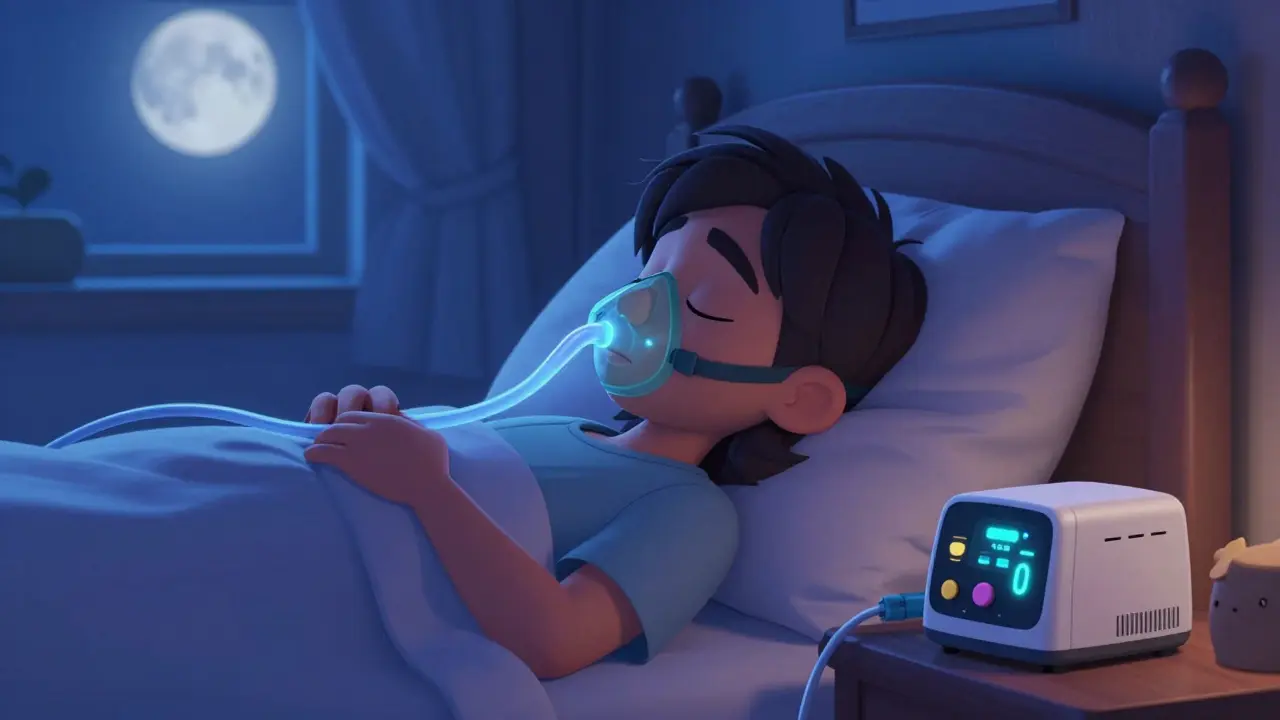
There is nothing quite as frustrating as waking up exhausted after a full night of supposed rest. You invested in your health, you bought the machine, and you followed the doctor’s orders. But instead of feeling refreshed, you’re dealing with a parched throat, hissing air escaping from your nose, or chest tightness from air that feels too forceful. These are not signs that Continuous Positive Airway Pressure (CPAP) therapy doesn’t work for you. They are signs that your setup needs tuning.
Most people who quit CPAP therapy is the gold standard treatment for obstructive sleep apnea that delivers pressurized air to keep airways open during sleep do so within the first few weeks because of discomfort, not ineffectiveness. The good news? Problems like dry mouth, mask leaks, and uncomfortable pressure settings are incredibly common and usually easy to fix. You don’t need to be an engineer to solve them. You just need to know where to look.
Why Your Mouth Feels Like a Desert at Dawn
Dry mouth is arguably the number one complaint among new users. It makes sense when you think about it: you are pumping air into your face all night long. If that air escapes through your mouth, it dries out your oral tissues instantly. According to data from the American Thoracic Society, nearly half of all users experience this issue. But here is the key insight most beginners miss: dry mouth is rarely a problem with the machine’s humidifier. It is almost always a problem with how you breathe while sleeping.
If you are using a nasal mask or a nasal pillow mask, your mouth acts as an escape valve. Even if you think you are keeping your mouth closed, micro-movements during REM sleep can open it slightly, letting the pressurized air rush out. This bypasses your tongue and throat, leaving them bone dry by morning.
Here is how to stop the drought:
- Check your humidity level: Most machines have a heated humidifier with settings ranging from 0 to 6. A setting of 3 or 4 is often the sweet spot. If it is too low, the air is dry. If it is too high, you might get "rainout"-condensation pooling in the tube-which can also cause issues. Aim for comfort without visible water droplets in the tubing.
- Use heated tubing: Standard plastic tubes cool down as air travels from the warm machine to your face, causing moisture to condense. Heated tubing keeps the air temperature consistent from end to end. Clinical trials suggest this can reduce dry mouth complaints by over 30%.
- Try a chin strap: This simple elastic band holds your jaw closed gently. It does not force your mouth shut aggressively; it just reminds your muscles to stay put. About 45% of mouth breathers find relief with this inexpensive accessory.
- Switch to a full-face mask: If nasal masks never seem to work, a full-face mask covers both your nose and mouth. This ensures that even if you breathe through your mouth, the air stays inside the system and gets humidified properly. Many users report their dry mouth vanishing completely within three nights of switching.
Silencing the Hiss: How to Fix Mask Leaks
A small leak is normal. In fact, modern auto-adjusting machines expect a tiny amount of leakage to function correctly. However, a loud hiss means you are losing therapeutic pressure. When air escapes, the machine works harder to compensate, which increases noise and reduces the effectiveness of your treatment. Experts warn that leaks greater than 24 liters per minute significantly drop your therapy efficacy.
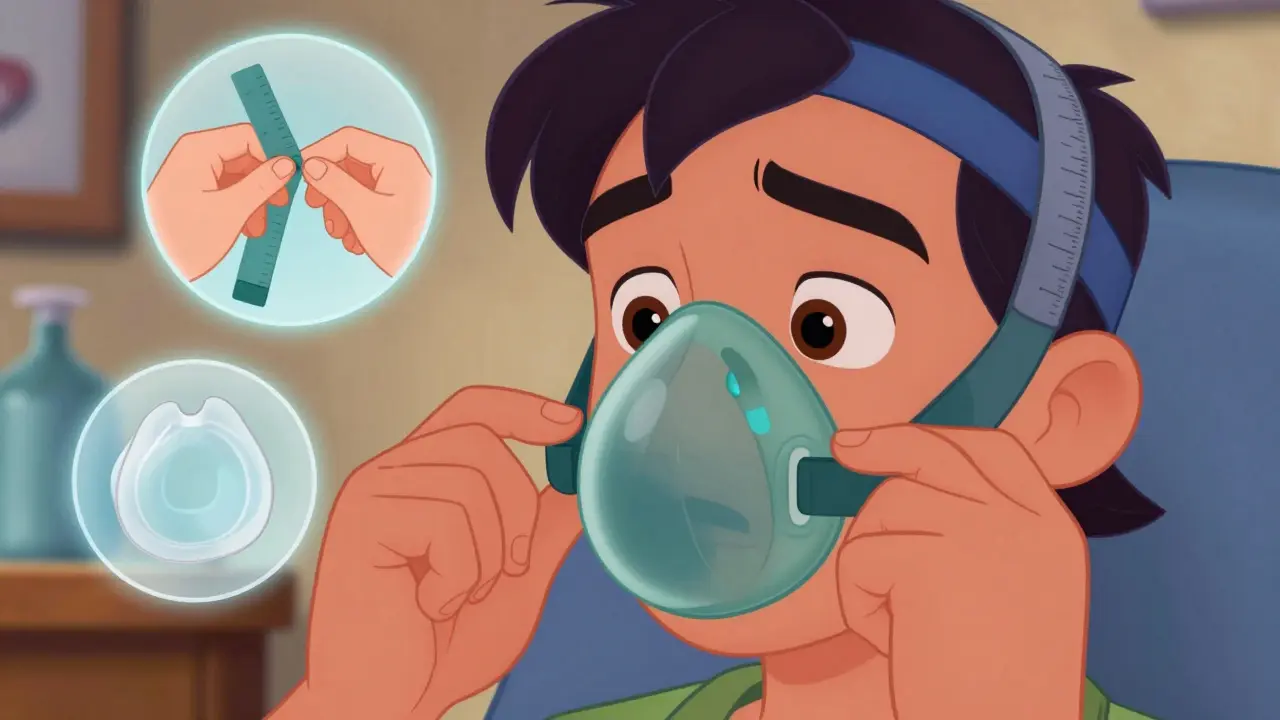
Before you blame the mask itself, check the fit. Most leaks happen because the mask is either too loose or, surprisingly, too tight. Overtightening distorts the cushion, creating gaps where none existed before. Think of it like stretching a rubber band too far-it loses its grip.
Follow this simple "airflow test" to find the perfect seal:
- Put the mask on loosely. Do not tighten the straps yet.
- Turn on the CPAP machine and let it run for a minute.
- Gently tighten the headgear straps, one side at a time, until the hissing sound stops or becomes very faint.
- Once sealed, loosen the straps slightly. You want the minimum tension required to maintain the seal. This prevents red marks and skin irritation.
If adjusting the straps doesn’t help, inspect the cushion. The silicone seal wears out over time. Most durable medical equipment providers recommend replacing the cushion every three months. If the silicone looks cracked, flattened, or oily from skin secretions, it is time for a swap. Also, ensure your mask size matches your face shape. Manufacturers offer different sizes (Small, Medium, Large), and getting the wrong one guarantees leaks no matter how hard you tighten the straps.
| Leak Source | Symptom | Solution |
|---|---|---|
| Nose Bridge | Air sprays into eyes | Adjust top strap; check for debris on bridge |
| Cheeks/Sides | Hissing sound from sides | Tighten side straps slightly; check cushion rotation |
| Mouth | Dry mouth + hissing | Use chin strap or switch to full-face mask |
| Cushion Wear | General leak despite tight fit | Replace cushion every 3 months |
Finding Comfort with Pressure Adjustments
Pressure is the core of CPAP therapy. It pushes against your collapsed airway to keep it open. But if the pressure is too high, it can feel like someone is blowing up a balloon inside your chest. If it is too low, you will continue to have apnea events. Finding the right balance is critical for long-term adherence.
Modern machines, such as the ResMed AirSense 11 is a popular auto-adjusting CPAP device released in 2022 with advanced leak detection or the Philips DreamStation 2, use algorithms to adjust pressure dynamically throughout the night. They lower the pressure when you are breathing normally and raise it when they detect snoring or obstruction. This is known as AutoSet or APAP technology.
Even with auto-adjustment, you might still feel discomfort. Here is why:
- Ramp Time: This feature starts the machine at a lower, more comfortable pressure and gradually increases it to your prescribed level over a set period (e.g., 10-30 minutes). If you fall asleep quickly, try shortening the ramp time. If you struggle to fall asleep with the air blast, lengthen it.
- Expiratory Pressure Relief (EPR): Breathing out against positive pressure can feel unnatural. EPR lowers the pressure slightly when you exhale, making it easier to breathe out. Most users find a setting of 1 or 2 provides the best balance between comfort and efficacy.
- Minimum vs. Maximum Pressure: Your prescription likely has a range (e.g., 5-10 cm H2O). If the machine is constantly hitting the maximum, you might need a re-titration study. If it is staying at the minimum but you are still snoring, the minimum might be too low.
Never change your pressure settings arbitrarily. Adjusting beyond the manufacturer’s allowed limits (usually ±2 cm H2O) can void your warranty and, more importantly, compromise your health. If the current pressure feels unbearable, contact your sleep specialist. They may order a follow-up titration study to find a new baseline. Sometimes, a slight reduction of just 1 or 2 cm H2O can dramatically improve comfort without sacrificing health benefits.
Maintenance Matters: Filters and Hygiene
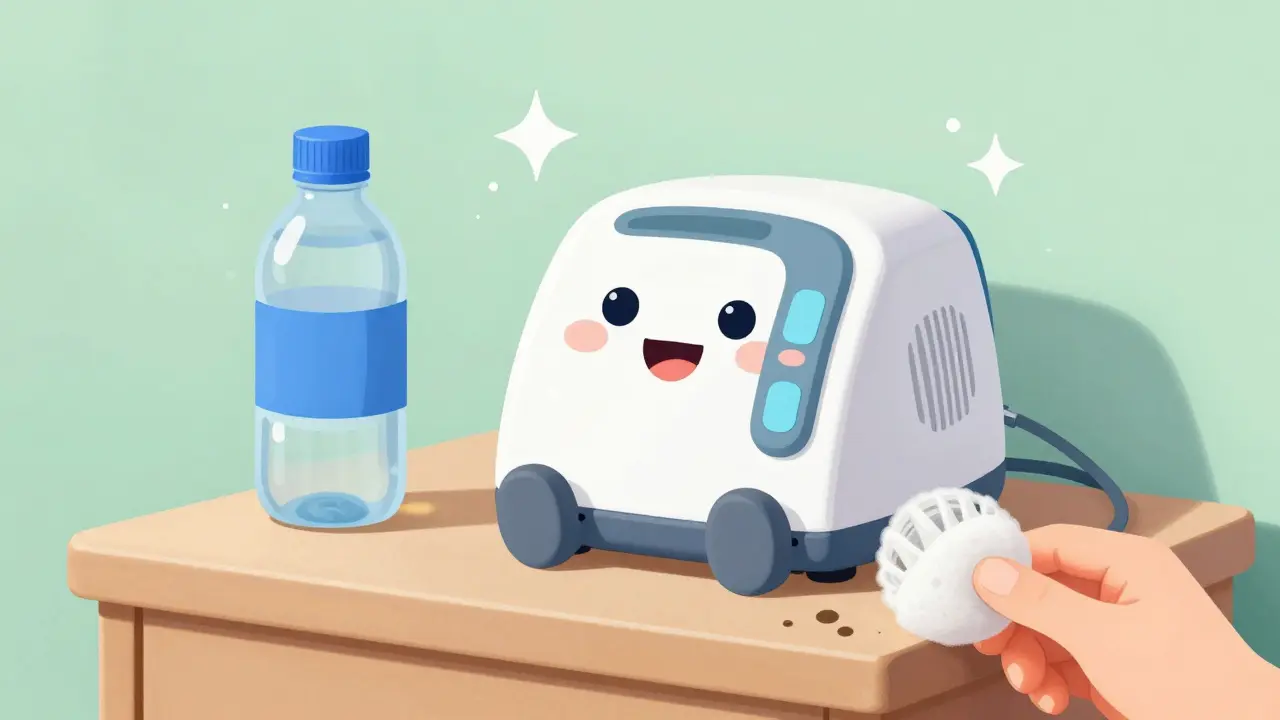
A clean machine is a quiet and effective machine. Dust and allergens clog filters, forcing the motor to work harder, which increases noise and heat. ResMed recommends replacing standard foam filters every 30 days and ultrafine HEPA filters every 90 days. Neglecting this simple task can lead to increased respiratory irritation and reduced airflow efficiency.
Humidifier chambers should be cleaned daily with mild soap and water to prevent bacterial growth and mineral buildup. Use distilled water instead of tap water to minimize white powder residue, which can irritate your lungs and damage the machine over time. While tap water is acceptable in emergencies, distilled water is the gold standard for longevity and hygiene.
When to Call for Help
Troubleshooting is part of the journey, but you shouldn’t suffer in silence. If you have tried adjusting humidity, tightening straps, and checking filters, but you still experience significant leaks, dry mouth, or discomfort, reach out to your provider. Many companies offer 24/7 technical support. For example, ResMed boasts a 97% same-day response rate for technical inquiries.
Additionally, review your usage data. Apps like myAir or DreamMapper provide detailed insights into your nightly performance. Look for trends. Are leaks worse on certain nights? Is dry mouth correlated with higher humidity settings? Data-driven adjustments are far more effective than guessing.
Remember, consistency is key. It takes about two to four weeks to fully acclimate to CPAP therapy. During this period, your body adjusts to the sensation of air pressure. Be patient with yourself. Small tweaks today lead to better sleep tomorrow.
How do I stop my CPAP mask from leaking?
Start by performing the "airflow test": turn on the machine, put the mask on loosely, and tighten the straps until the hissing stops. Then, loosen them slightly for comfort. Ensure your cushion is not worn out (replace every 3 months) and that you are using the correct mask size for your face. If leaks persist, consider switching mask styles or consulting your provider.
Why do I wake up with a dry mouth on CPAP?
Dry mouth is usually caused by mouth breathing, not insufficient humidity. If you use a nasal mask, air escapes through your mouth, drying out your tissues. Try using a chin strap to keep your mouth closed, increase your humidifier setting to 3 or 4, use heated tubing, or switch to a full-face mask that covers both nose and mouth.
Can I adjust my CPAP pressure myself?
You can make minor adjustments using features like Ramp Time and Expiratory Pressure Relief (EPR) to improve comfort. However, changing the actual prescribed pressure range (minimum and maximum cm H2O) should only be done under the guidance of a sleep specialist. Self-adjusting beyond safe limits can reduce treatment efficacy and void warranties.
How often should I replace my CPAP filters?
Standard foam filters should be replaced every 30 days, while ultrafine HEPA filters last approximately 90 days. Regular replacement ensures optimal airflow, reduces machine noise, and prevents dust and allergens from entering your airway.
What is the difference between a nasal mask and a full-face mask?
A nasal mask covers only the nose and requires you to breathe through your nose. It is less bulky but can cause dry mouth if you breathe through your mouth. A full-face mask covers both the nose and mouth, allowing you to breathe naturally through either. It is ideal for mouth breathers or those with nasal congestion.