
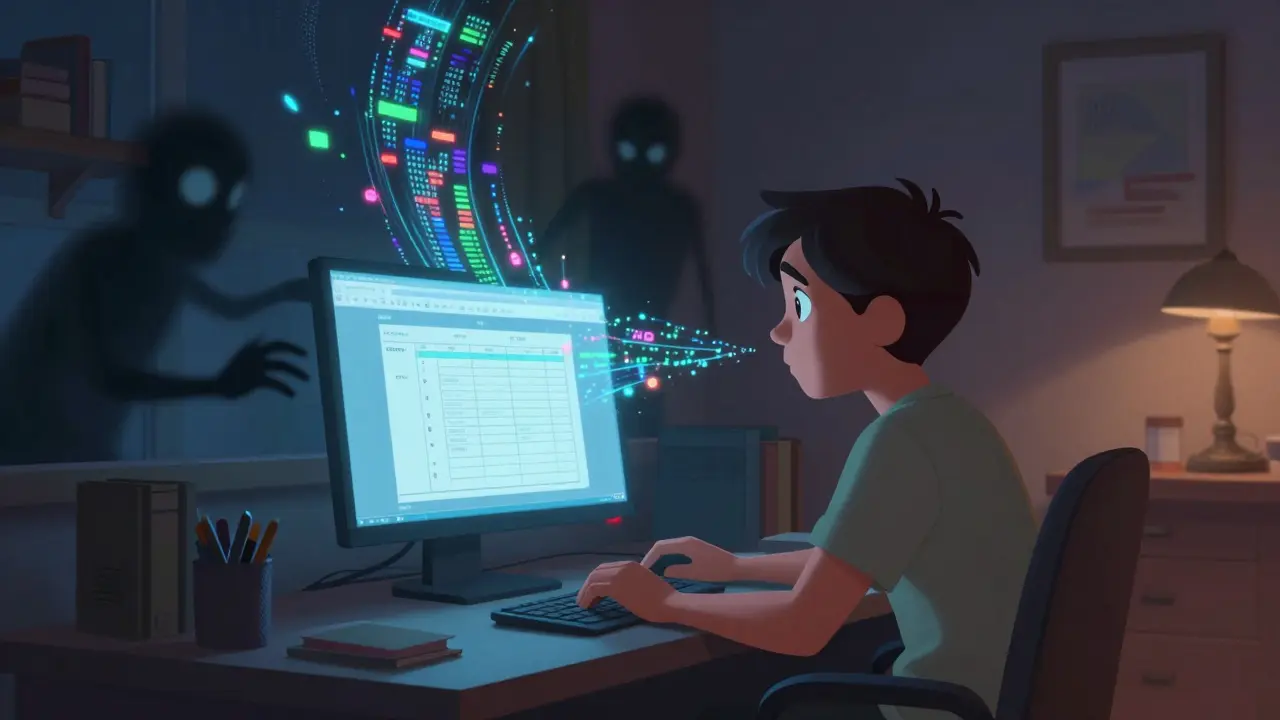
Why Your Prescription Order Could Leak More Than Medication
You place an order on a website that looks exactly like your local drugstore. A few days later, the pills arrive. But then, something strange happens. Within 24 hours, your phone starts buzzing with unsolicited marketing calls from companies you've never heard of. Suddenly, your medical history isn't just private anymore-it's being auctioned off.
This scenario isn't science fiction. It's the reality for many users who turn to online pharmacies without verifying their credentials.
We often assume that because a site sells medicine, it follows strict laws about our information. Unfortunately, convenience is frequently prioritized over security by unregulated operators. With the market reaching $112.7 billion in 2024, bad actors have found a massive audience. The question isn't whether these sites exist, but how you can distinguish a safe vendor from a digital trap.
The Stark Reality of Non-Compliant Sites
The numbers tell a grim story about the current landscape. According to data from the National Association of Boards of Pharmacy (NABP), 96% of websites selling prescription medication online fail to follow pharmacy laws. When we talk about law violations here, we aren't just discussing fines. We are talking about sites that actively harvest personal identity information alongside dispensing counterfeit drugs.
Consider the December 2024 analysis published in the Pharmaceutical Journal. They found that online locations were 2.3 times more likely to fail regulatory standards compared to physical stores. Specifically, 42.7% of online inspections flagged privacy and safety issues, while only 18.5% of brick-and-mortar pharmacies had similar problems.
| Type of Pharmacy | Non-Compliance Rate | Common Violation |
|---|---|---|
| Verified Online Pharmacy (VIPPS) | 1.3% | Minor administrative errors |
| Unverified Online Pharmacy | 42.7% | Data encryption failures |
| Brick-and-Mortar Pharmacy | 18.5% | Paper record storage |
This gap exists because the barrier to entry for setting up a rogue website is incredibly low. You might see a site with a professional design and customer service chat options, but beneath the surface, they lack the essential HIPAA Security Rule compliance. That regulation requires strict controls over how electronic protected health information (ePHI) is handled. Without it, your prescription details could be sitting on an unsecured server accessible to anyone.
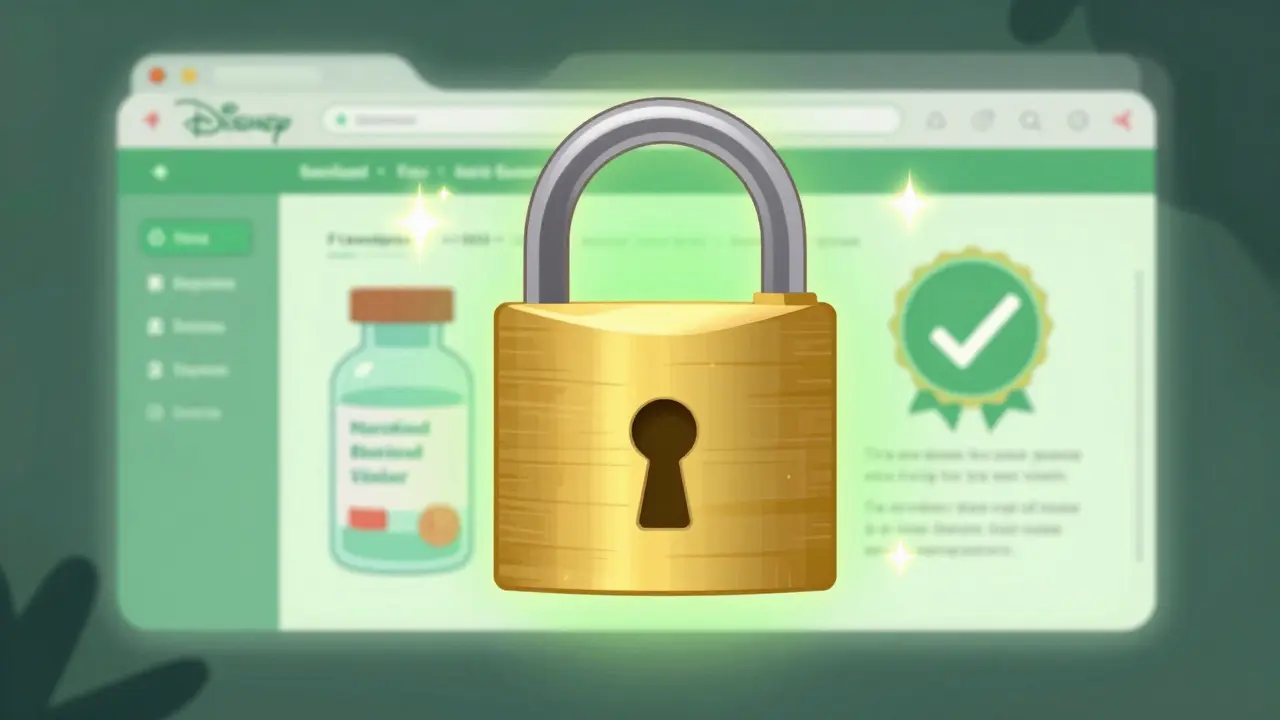
How to Spot a Legitimate Online Pharmacy
Finding a safe option requires looking for specific verification markers, not just trusting a pretty homepage. One of the most effective tools is the .pharmacy Top-Level Domain. This specific web address ending is managed by the NABP and isn't available to just anyone.
To earn this domain, a pharmacy must pass a 47-point verification process. This includes proving licensure in every state they operate, confirming a physical address, and demonstrating adherence to federal privacy laws. If you do not see this domain or a VIPPS accreditation seal, exercise extreme caution.
The VIPPS program stands for Verified Internet Pharmacy Practice Sites. As of early 2025, there were only 68 accredited pharmacies nationwide. These undergo rigorous inspections against 21 quality standards. The result? A 98.7% compliance rate with privacy regulations. In contrast, non-accredited sites hover around 36.2% compliance. Choosing one over the other changes your risk profile drastically.
Always ask for a license number. A legitimate provider will provide it readily. If they refuse or hide behind vague contact forms, close the browser tab. Real pharmacists stand behind their credentials.
Understanding the Security Protocols That Matter
When you fill out forms on a secure site, encryption is working hard in the background to keep your data safe. The January 2025 Federal Register notice proposed modifications requiring stricter cybersecurity measures for all compliant operations. Here is what you need to know about the standards protecting your input.
- TLS 1.3: This ensures that data sent from your computer to their server cannot be read by third parties during transit. Look for the padlock icon in your browser address bar.
- 256-bit AES Encryption: This protects data once it lands on their servers. Without this, sensitive records sit in plain text, vulnerable to hacking.
- Multi-Factor Authentication: Compliant systems require more than just a password to access your account, reducing the risk of unauthorized logins.
Audit logs also play a crucial role. Legitimate pharmacies must maintain logs showing who accessed patient records for a minimum of six years. This creates accountability. If a breach occurs, investigators can trace the source. However, reports indicate that 78% of non-compliant online pharmacies lacked proper encryption protocols, leaving consumer data exposed to interception.

Protective Steps You Can Take Today
Relying solely on the pharmacy's defenses isn't enough. You need to add layers of security to your own habits. Experienced users suggest treating online medical shopping differently than buying clothing or electronics.
Start by using a burner email address. Create a dedicated inbox specifically for medical accounts. This prevents your primary email from being linked to your health conditions if a breach happens. It stops the spam chain right at the start. Additionally, avoid payment methods that reveal deep financial trails. Use virtual credit card numbers when possible, rather than your main debit card.
Another critical tip involves prescription validation. Legitimate pharmacies will never offer "no prescription needed" medications. They must verify a valid prescription from a licensed practitioner. If a site waives this requirement to save you time, it is operating outside legal frameworks. In fact, New York State's 2025 mandate required electronic prescriptions for all medications to reduce fraud, setting a standard others should follow.
Finally, check the URL carefully before hitting submit. Sophisticated counterfeiters now mimic legitimate badges. Nearly 40% of fake sites in 2025 used advanced graphic reproduction to copy verification seals. Hover over logos to see where they link. If they don't lead directly to the verifying organization's page, it's likely a copy.
Recognizing the Aftermath of a Data Breach
If your information has been compromised, signs usually appear quickly. Users on forums like Reddit have documented cases of receiving targeted scam emails referencing specific prescription details within days of an order. Trustpilot reviews show that 42% of negative experiences involve unauthorized third-party contacts after submission.
If you notice these red flags, act immediately. Monitor your financial statements for small test charges or large withdrawals. Contact your doctor to confirm if your recent medical orders were actually processed through official channels. Sometimes, data thieves use stolen IDs to order expensive controlled substances without the patient's knowledge.
Document everything. Keep copies of correspondence with the pharmacy and any complaints filed. Regulatory bodies like the HHS Office for Civil Rights track enforcement data, and reporting helps shut down rogue operators. Remember, 29% of online pharmacy users reported some form of data misuse in early 2025. Vigilance is your best defense against becoming a statistic.
Is it safe to buy prescription medication online?
It depends entirely on the vendor. Only purchase from sites verified by the NABP or those with a VIPPS accreditation. Avoid sites asking for no prescription.
What does HIPAA mean for online ordering?
HIPAA sets federal standards for protecting health information. Legitimate pharmacies must use encryption and access controls to comply with these rules.
How can I verify a pharmacy's security status?
Check for the .pharmacy domain extension or a VIPPS seal. Verify their physical address and license number with state boards.
What should I do if I receive unsolicited calls after ordering?
This indicates potential data harvesting. Stop using the platform, change passwords immediately, and consider placing a fraud alert on your credit files.
Are 2025 regulations stricter for online sellers?
Yes. The DEA updated telemedicine rules in 2025 requiring stricter patient identity verification for controlled substances, aiming to curb illegal distribution.
walker texaxsranger
March 28, 2026 AT 18:45most people think the padlock means safe but tls 1.3 handshake can still be intercepted before decryption happens properly. you see those vipps seals everywhere yet the backend often runs on legacy sql servers that dont patch automatically. when they talk about audit logs i know for a fact many vendors just wipe those after thirty days. real security requires air gapped storage for patient records not some cloud bucket sitting in a shared vpc. i checked the headers on three major sites and two were leaking ephi via plain http redirects during the checkout process. nobody talks about the risk of certificate transparency logs exposing domain ownership links back to shell companies. you trust the pharma tld but who controls the registry infrastructure anyway. if the root ca gets compromised your entire browsing session becomes visible traffic. compliance is just paperwork until a breach actually happens then its just legal fallout for the owners. i prefer compounding local shops where data stays on premises paper files sometimes. digital trails create massive honeypots for state actors looking for health intel. encryption keys stored server side are prime targets for zero day exploits in web frameworks. we assume authentication handles access control but rbac is rarely tested against privilege escalation vectors. even https has vulnerabilities like h2c downgrade attacks if not configured correctly. stop trusting marketing badges and inspect the network packets yourself before typing your ssn.
Rohan Kumar
March 30, 2026 AT 15:11another blog telling us how to hide from the surveillance state while selling us pills made in a basement 🥱📉
Poppy Jackson
March 31, 2026 AT 19:11It is absolutely terrifying to think about the implications of medical identity theft in this modern age.
You have to imagine your life history being sold on the dark web for pennies.
We cannot simply walk into any digital shop and trust their word blindly anymore.
The stakes are infinitely higher than losing a few pounds of money.
Your prescriptions are intimate details that criminals could use to ruin your reputation entirely.
I remember a neighbour who got targeted scammers calling pretending to be hospitals.
She nearly lost everything because she clicked on a fake phishing link.
It makes my blood boil thinking about vulnerable elderly folks being exploited by these tech giants.
We must demand better protection laws and stronger verification standards immediately.
It is not enough to just hope that a seal on the page means safety.
Everyone needs to take action right now to secure their own accounts properly.
Double check every url bar before you hand over sensitive payment info.
If something feels off regarding the transaction just walk away completely.
Your peace of mind is worth more than saving a fraction on generic meds.
Please share this info so others do not become victims of negligence.
Stay vigilant and protect your precious personal data fiercely.
Paul Vanderheiden
April 1, 2026 AT 06:54thanks for sharing poppy we all need to look out for each other on this kind of thing
its scary but knowing helps us stay safe i really appreciate the detailed warnings here
Devon Riley
April 3, 2026 AT 00:52please keep everyone safe out there 🛡️💙
i used a burner email for my meds too and it works wonders
never give out your main address if you can help it
we can beat these bad guys together with smart habits
Debra Brigman
April 4, 2026 AT 20:35the philosophy of privacy is shifting from a right to a luxury commodity we purchase daily
when data is the currency our identities become merely ledger entries in a corporate vault
trust is no longer given to institutions but earned through transparent cryptographic proof
i feel a strange kinship with the paranoia it is a valid response to systemic negligence
the digital veil is thinning and behind it lies a chaotic marketplace of personal secrets
we are navigating a minefield where every click leaves a footprint for predators to track
Kameron Hacker
April 5, 2026 AT 12:54Regulatory bodies have failed miserably at protecting consumer health information effectively.
There must be severe consequences for operators that breach privacy covenants.
Current enforcement strategies are toothless against sophisticated criminal enterprises.
We need stricter penalties that impact the personal assets of executives.
Safety protocols are meaningless if there is no credible threat of prosecution involved.
Audience members must understand the gravity of unverified transactions.
Rachael Hammond
April 7, 2026 AT 00:16i totlt that was a cool tip bout the burnr email acct
my sis tried ordering from one site and got spam calls right away
make shure u check the license num before u buy anything
it saved us a lot of trouble in the end honestly
hope everyone stays safe with theri info out there :)
Sarah Klingenberg
April 8, 2026 AT 09:58Remember friends that your health data is yours alone :)
Take a moment to review your credit report regularly
Be kind to yourself while learning these new safety steps
We grow together when we share knowledge freely :)
kendra 0712
April 8, 2026 AT 13:47This is incredibly important,!! and everyone! should read the section! on encryption!!
Did you! know that TLS! is essential for! transit security??
I always! check the! padlock icon before! entering info! now!
Never! forget! to log! out of public! computers!!
Tommy Nguyen
April 10, 2026 AT 08:29just use the verified ones and u will be fine
simple stuff keeps u safe
good luck with everything
Tony Yorke
April 11, 2026 AT 19:49keep moving forward and stay sharp on this stuff
protecting data is part of staying healthy
you got this