
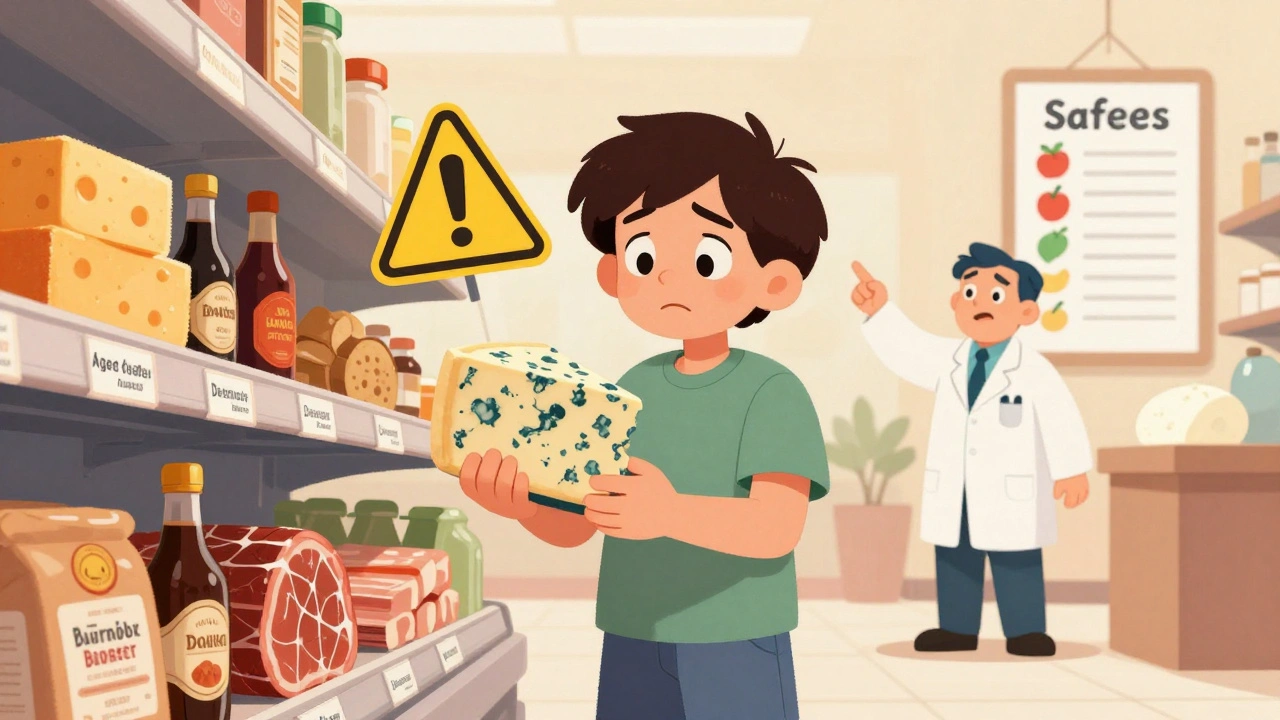
MAOI Food Safety Checker
Common Foods and Safety Status
When most people think of antidepressants, they picture SSRIs like Prozac or Zoloft - pills with minimal fuss, few food rules, and a straightforward safety profile. But there’s another class of antidepressants that works differently, works better for some, and comes with a set of rules that can feel like living under a microscope: Monoamine Oxidase Inhibitors, or MAOIs.
These drugs were the first antidepressants ever developed, dating back to the 1950s. They’re not trendy. They’re not prescribed often. In fact, less than 1% of antidepressant prescriptions in the U.S. are for MAOIs today. But for the 1 in 5 people who’ve tried four or five other meds and still can’t shake their depression, MAOIs can be the difference between surviving and finally feeling alive.
How MAOIs Actually Work
Most antidepressants boost serotonin by blocking its reabsorption. MAOIs do something more fundamental: they stop your body from breaking down key mood chemicals - serotonin, norepinephrine, and dopamine - at all.
They do this by disabling an enzyme called monoamine oxidase. There are two versions: MAO-A and MAO-B. MAO-A is the main target for depression treatment because it breaks down serotonin and norepinephrine. When you inhibit MAO-A, these chemicals build up in your brain. That’s the magic. But it’s also the danger.
Older MAOIs like phenelzine (Nardil) and tranylcypromine (Parnate) permanently disable the enzyme. Your body has to make new enzymes - which takes two weeks. Newer ones like moclobemide are reversible, meaning they let go of the enzyme after a while. Then there’s the Emsam patch - a skin patch with selegiline - which delivers the drug slowly and reduces some risks.
The Tyramine Trap: Why Your Cheese Can Be Deadly
Here’s the catch: your gut normally uses MAO-A to break down tyramine, a compound found in aged, fermented, or spoiled foods. When MAO-A is blocked, tyramine slips into your bloodstream and triggers a massive release of norepinephrine. That’s when your blood pressure spikes - fast.
Systolic pressure can jump over 200 mmHg. That’s not just high blood pressure. That’s a hypertensive crisis. Symptoms: pounding headache, chest pain, blurred vision, nausea, and in worst cases, stroke or death.
So what foods are dangerous?
- Aged cheeses (Parmesan, blue cheese, cheddar over 48 hours old)
- Cured meats (salami, pepperoni, pastrami)
- Tap beer, homebrewed beer, and some wines
- Fermented soy (soy sauce, miso, tempeh)
- Overripe fruits, especially bananas and avocados
- Yeast extracts (Marmite, Vegemite)
- Leftovers stored more than 48 hours
Fresh cheese? Safe. Fresh meat? Safe. Store-bought, unopened, properly refrigerated? Usually fine. The rule isn’t about being perfect - it’s about avoiding anything that’s been sitting, aging, or fermenting. One bite of blue cheese you didn’t realize was aged could send you to the ER.
Drug Interactions: The Hidden Minefield
MAOIs don’t just clash with food. They clash with other drugs - sometimes fatally.
Combining MAOIs with SSRIs, SNRIs, or even over-the-counter cough syrups containing dextromethorphan can cause serotonin syndrome. That’s when your body has too much serotonin. Symptoms: agitation, rapid heart rate, high fever, muscle rigidity, seizures. It’s rare but deadly if not caught early.
Decongestants like pseudoephedrine (Sudafed) or phenylephrine are also dangerous. Even a single 30 mg pill can trigger a hypertensive emergency. That means no cold medicine, no nasal sprays, no diet pills without checking with your doctor.
And you can’t just switch from an SSRI to an MAOI. You need a 2- to 5-week washout period. Skip that, and you’re gambling with your life. Most doctors require a signed consent form before prescribing MAOIs - not because they’re being dramatic, but because the stakes are that high.
Who Benefits the Most?
MAOIs aren’t for everyone. But for certain types of depression, they’re the most effective option we have.
They work best for atypical depression - where you feel heavy, sluggish, sleep too much, eat too much, and are hypersensitive to rejection. In one 2023 Lancet Psychiatry analysis, MAOIs had a number needed to treat (NNT) of 4.2 - meaning for every 4 people treated, one would respond when others failed. SSRIs? NNT of 7.8. That’s nearly double the effort for half the results.
Studies show 50-60% of people who’ve tried multiple antidepressants without success find relief with MAOIs. On Reddit’s r/antidepressants, users who’ve been on 5+ meds often say MAOIs were their first real breakthrough. One user wrote: “After 12 years, Parnate made me feel like myself again - but I’ve had two hypertensive episodes from accidentally eating aged cheese.”
That’s the trade-off: life-changing relief vs. constant vigilance.
The Patch That Changed Everything
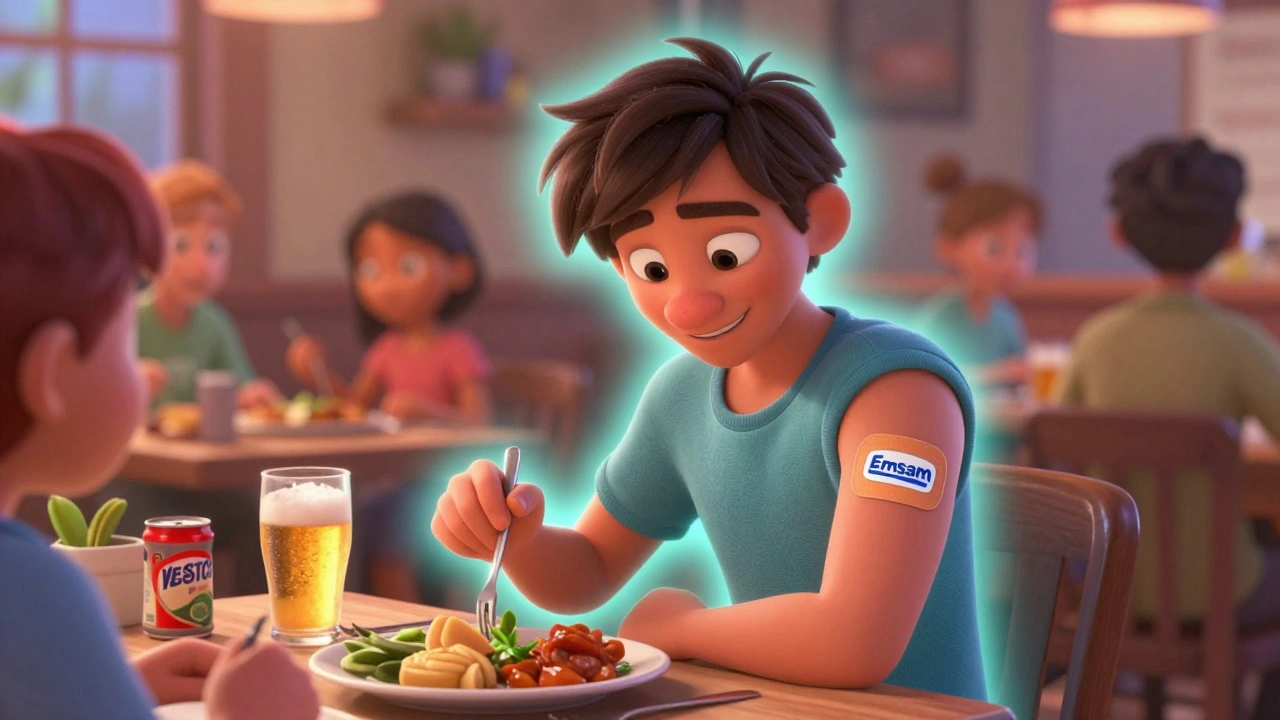
The Emsam patch (selegiline) is the biggest advancement in MAOI safety in decades.
At the lowest dose (6 mg/24hr), it doesn’t require any dietary changes. At higher doses (9 mg and 12 mg), you need to follow the tyramine rules. But 92% of people on oral MAOIs need full restrictions. Only 8% on the patch do.
It’s not cheap - $850 to $1,200 a month - but for many, it’s worth it. No more reading labels at the grocery store. No more panic before dinner at a restaurant. No more explaining to your date why you can’t have soy sauce.
And it’s not just about convenience. A 2023 study found patch users had 70% fewer accidental tyramine exposures than those on pills.
Living With MAOIs: Real-Life Challenges
People who stay on MAOIs aren’t just taking medication - they’re managing a lifestyle.
- They cook most meals at home to control ingredients.
- They carry emergency phentolamine (a blood pressure-lowering drug) in case of crisis.
- They keep food diaries and check expiration dates religiously.
- They avoid travel to countries where food labeling is unclear.
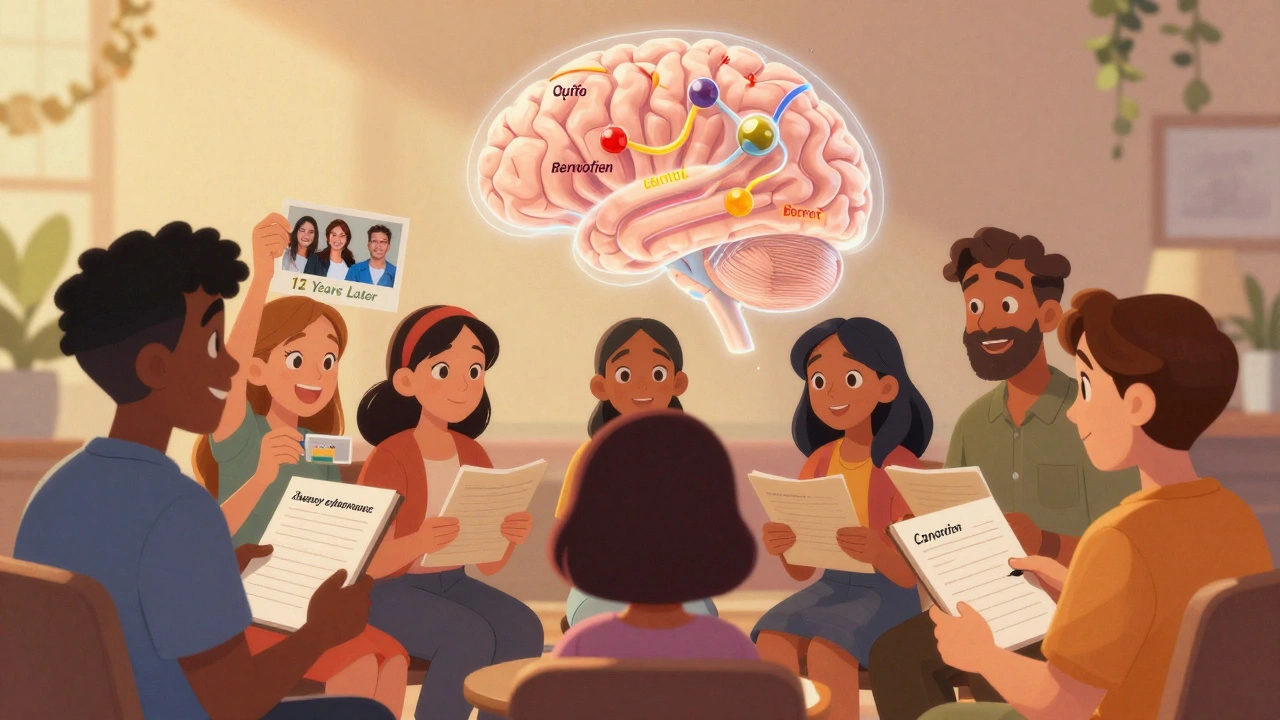
One user told a support group: “I’ve been on MAOIs for 4 years. I’ve had one ER visit. But I’ve also held a job, traveled to Europe, and gotten married. It’s not easy - but it’s possible.”
Support groups like the MAOI Information Project have over 5,000 members sharing tips: “Use fresh mozzarella, not aged,” “Buy frozen spinach, not canned,” “Check wine labels - no ‘unfiltered’ or ‘natural’.”
And despite the restrictions, 65% of MAOI users stick with it for over two years - compared to 42% of people on SSRIs with the same level of treatment resistance.
Why Doctors Are Still Hesitant
MAOIs are underused - not because they don’t work, but because the risks are scary.
Some doctors avoid them because they don’t want to deal with the paperwork, the counseling, the follow-ups. Others fear malpractice if something goes wrong.
But experts are pushing back. Dr. Charles Nemeroff, a leading psychiatrist, says: “The safety fears are exaggerated. With proper education, MAOIs can be used safely.”
The FDA requires a black box warning - the strongest possible - for MAOIs. But the actual risk of fatal hypertensive crisis is less than 1 in 10,000 patient-years, according to some studies. That’s rarer than being struck by lightning.
The real problem? Lack of awareness. Most primary care doctors haven’t been trained on MAOI management. Only 7% of general psychiatrists prescribe them regularly. But among specialists in treatment-resistant depression, 38% do.
What’s Next for MAOIs?
Research is moving fast. A new experimental MAO-A inhibitor called AZD7325 is showing promise in early trials - reducing tyramine sensitivity by 70%. The National Institute of Mental Health is funding $4.2 million to study MAOIs in bipolar depression.
And in Europe, moclobemide (Aurorix) is widely used because it’s reversible and safer. It’s not available in the U.S., but that could change.
MAOIs aren’t going away. They’re too effective for too many people. The goal now isn’t to replace them - it’s to make them safer, easier, and more accessible.
If you’ve tried everything else and still feel stuck, MAOIs might be the answer. But it’s not a decision to make alone. It’s a decision to make with a psychiatrist who knows the rules, a dietitian who can teach you the labels, and a support system that understands the weight of this choice.
For some, MAOIs are the last hope. For others, they’re a lifeline - with a very strict set of instructions.
Can you drink alcohol on MAOIs?
It’s risky. Alcohol can interact with MAOIs and cause dangerous spikes in blood pressure. Red wine, in particular, may contain tyramine. Even small amounts can trigger a reaction. Most doctors advise avoiding alcohol entirely. If you do drink, stick to small amounts of clear spirits like vodka or gin - but only after checking with your prescriber.
Are MAOIs addictive?
No. MAOIs are not addictive in the way opioids or benzodiazepines are. You won’t crave them or get high from them. But stopping suddenly can cause withdrawal symptoms like dizziness, nausea, and mood swings. Always taper off under medical supervision - never quit cold turkey.
How long does it take for MAOIs to work?
Unlike SSRIs, which can take 4-6 weeks, MAOIs often start working in 1-2 weeks for some people. Full effects usually appear by week 4-6. But because they affect multiple neurotransmitters, the improvement can feel more complete - less numbness, more energy, better focus.
Can you take MAOIs if you have high blood pressure?
It’s complicated. MAOIs can worsen uncontrolled hypertension. If your blood pressure is already high, you’ll need to get it stabilized first. Some patients with controlled hypertension can take MAOIs safely - but only with close monitoring. Your doctor will likely require frequent BP checks and may avoid certain types of MAOIs.
Is the Emsam patch better than oral MAOIs?
For many, yes. The patch delivers the drug through the skin, bypassing the gut where tyramine usually causes problems. At the lowest dose (6 mg/24hr), you don’t need to change your diet. That’s a huge advantage. But it’s expensive and not covered by all insurance plans. Oral MAOIs are cheaper but come with stricter rules. The choice depends on your lifestyle, budget, and risk tolerance.
What happens if you accidentally eat tyramine?
Symptoms usually appear within 30 minutes to 2 hours: severe headache, stiff neck, rapid heartbeat, sweating, nausea. If you have phentolamine (prescribed by your doctor), take one tablet under your tongue immediately. Call 911 or go to the ER. Don’t wait. Even if you feel fine, a delayed spike can happen. Always carry your emergency medication if you’re on an oral MAOI.
ariel nicholas
December 1, 2025 AT 22:54Rachel Stanton
December 2, 2025 AT 09:40Edward Hyde
December 4, 2025 AT 06:08Debbie Naquin
December 4, 2025 AT 18:25Karandeep Singh
December 6, 2025 AT 14:52Mary Ngo
December 7, 2025 AT 00:29James Allen
December 8, 2025 AT 05:59Kenny Leow
December 8, 2025 AT 12:40Lauryn Smith
December 9, 2025 AT 02:40Alexander Williams
December 10, 2025 AT 06:59