
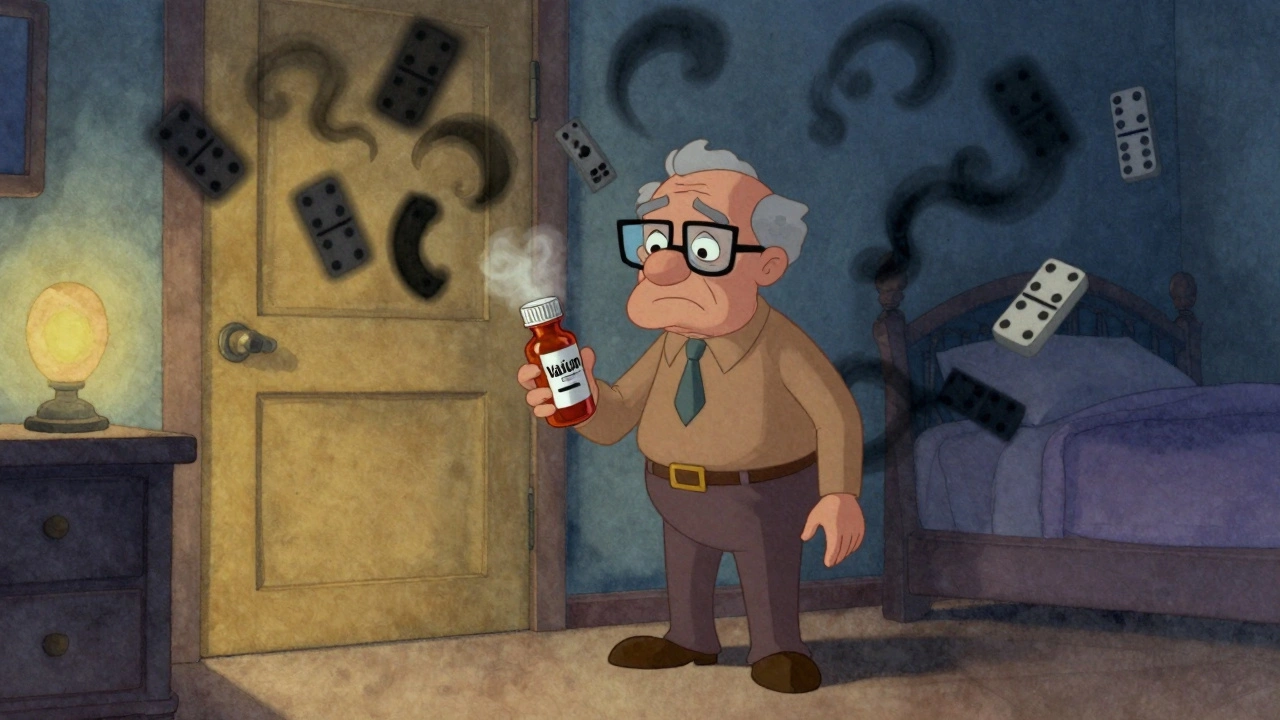
Every year, millions of older adults in the U.S. are prescribed benzodiazepines for anxiety or trouble sleeping. Drugs like Valium, Xanax, and Ativan work fast - often giving relief within an hour. But for seniors, that quick fix comes with hidden dangers that many doctors and patients still don’t fully understand.
Why Benzodiazepines Are Riskier for Older Adults
Benzodiazepines don’t work the same way in older bodies as they do in younger ones. As we age, our liver slows down. Our kidneys filter less. Fat increases, water decreases. That means drugs like diazepam and clonazepam stick around longer - sometimes for days. This buildup leads to dizziness, confusion, and unsteady walking. The result? Falls. And falls in seniors often mean broken hips, long hospital stays, or even death.
Research shows seniors on benzodiazepines have at least a 50% higher risk of hip fracture. One study of over 43,000 people found that even non-benzodiazepine sleep drugs like zolpidem doubled the risk of falls. But benzodiazepines are worse because they don’t just make you sleepy - they dull your reflexes, slow your reaction time, and blur your judgment. Driving while on these drugs is like driving with a blood alcohol level of 0.05% to 0.08%. That’s legally drunk in most places.
And it’s not just falls. Long-term use is strongly tied to memory loss and dementia. A major study from French and Canadian researchers found that seniors who took benzodiazepines for 3 to 6 months had a 32% higher chance of developing Alzheimer’s. If they took them for more than six months? The risk jumped to 84%. The longer the use, the higher the risk - especially with long-acting versions like Valium and Librium, which stay in the system for over 20 hours.
The Silent Crisis: Cognitive Decline and Dependency
Many seniors start benzodiazepines for a short bout of anxiety after a loss, or for insomnia after a hospital stay. They think it’s a temporary fix. But here’s the truth: the body adapts. Within weeks, the drug loses its effect. That’s when people start taking more - or taking it more often. Soon, they can’t sleep without it. Or feel calm without it. That’s dependence.
Worse, the brain changes. Long-term use can cause cognitive decline that doesn’t go away even after stopping. One meta-analysis found that memory and thinking skills stayed impaired for at least three months after discontinuation. For some, the damage lasts much longer. A 2023 review showed that benzodiazepines increase dementia risk by 51% in long-term users. That’s not a small risk. That’s a major public health threat.
And yet, most seniors don’t know the full picture. A 2015 study found only 32% of elderly patients knew benzodiazepines could hurt memory. Only 41% knew they increased fall risk. Many believe their doctor wouldn’t prescribe something dangerous. On Reddit, a nurse shared that 9 out of 10 elderly patients she works with think their Xanax is harmless because it’s FDA-approved. The truth? The American Geriatrics Society has listed benzodiazepines as potentially inappropriate for seniors since 2012 - and updated that warning in 2019 and again in 2024.
What the Experts Say: Guidelines and Warnings
The Beers Criteria, updated annually by the American Geriatrics Society, is the gold standard for safe prescribing in older adults. It clearly states: avoid benzodiazepines in seniors. Period. The same goes for STOPP guidelines used in Europe and Canada. These aren’t opinions - they’re evidence-based rules backed by decades of research.
Dr. Sharon Inouye from Harvard calls benzodiazepines “among the most dangerous medications for older adults.” Dr. Michael Steinman from UCSF says even short-term use carries risks most doctors underestimate. The FDA added new warnings to all benzodiazepine labels in April 2024, requiring them to state the link to dementia in elderly patients.
And it’s not just doctors. The Substance Abuse and Mental Health Services Administration (SAMHSA) issued a formal letter in June 2025 urging prescribers to stop using benzodiazepines for chronic anxiety or insomnia in seniors. Medicare has started flagging inappropriate prescriptions through its Drug Utilization Review program. Hospitals are training staff to ask: “Is this really necessary?”
Safe Alternatives That Actually Work
There are safer, more effective ways to treat anxiety and insomnia in older adults - and they don’t come with a risk of falling, forgetting, or fading away.
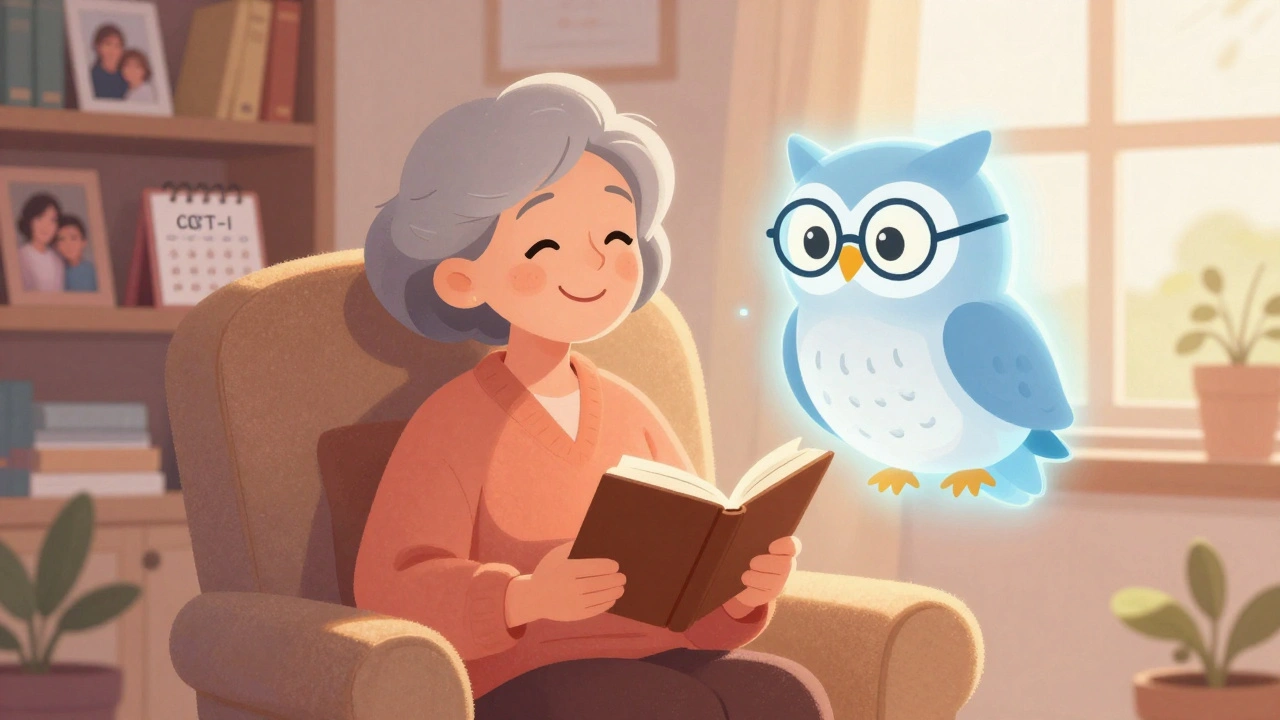
Cognitive Behavioral Therapy for Insomnia (CBT-I) is the top recommendation. It’s not a pill. It’s a structured program that teaches you how to sleep better by changing habits and thoughts. Studies show 70-80% of seniors improve with CBT-I - and the benefits last for years. Medicare has covered CBT-I since 2022, but only 12% of eligible seniors use it. Why? Lack of awareness and limited providers.
SSRIs and SNRIs like sertraline (Zoloft) or venlafaxine (Effexor) are first-line for anxiety. They take 4-6 weeks to work, but they’re not addictive. They don’t cause dizziness. They don’t increase fall risk. And they help with both anxiety and depression - which often go hand-in-hand in older adults.
Ramelteon is a melatonin receptor agonist approved for sleep onset. It’s non-habit-forming and doesn’t impair cognition. It’s not strong enough for people who wake up at 3 a.m. every night, but it’s perfect for those who can’t fall asleep. Melatonin itself, in low doses (0.3-1 mg), can help reset the sleep cycle without the risks of benzodiazepines.
What about antihistamines like diphenhydramine (Benadryl)? Avoid them. These drugs block acetylcholine - a brain chemical critical for memory. Long-term use is linked to higher dementia risk. They’re often sold as “sleep aids” in pharmacies, but they’re dangerous for seniors.
How to Stop Safely: The Tapering Guide
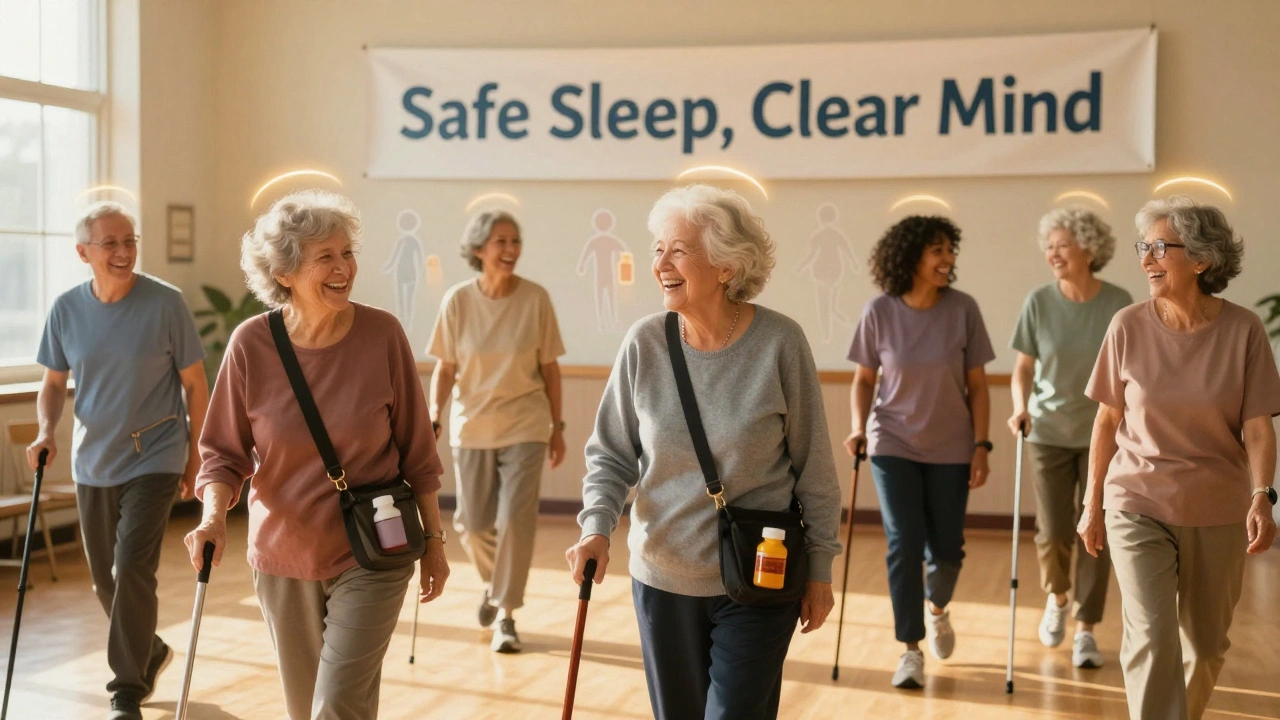
If you or a loved one has been on benzodiazepines for months or years, quitting cold turkey is dangerous. Withdrawal can cause seizures, panic attacks, hallucinations, and extreme anxiety. But quitting slowly - with support - is not only possible, it’s often life-changing.
The American Society of Addiction Medicine recommends a taper over 8 to 16 weeks. Reduce the dose by 5-10% every 1-2 weeks. For some, especially those on high doses or long-acting drugs, it may take 6-12 months. The key is patience.
Pair the taper with CBT. Studies show that when seniors get therapy during tapering, 65% successfully stop - compared to just 35% who try alone. Support groups like the Benzodiazepine Information Coalition have over 12,500 members. Talking to others who’ve been through it makes a huge difference.
Always work with a doctor. Don’t stop on your own. Keep a journal: track sleep, mood, anxiety levels, and any side effects. Tell your family. Ask for help with daily tasks during the first few weeks - balance may be off. And don’t give up. The fog lifts. The dizziness fades. The fear of sleep disappears. Many seniors say they feel like themselves again for the first time in years.
The Bigger Picture: Why This Matters Now
In 2023, Medicare paid for 8.9 million benzodiazepine prescriptions for seniors. That’s down from 10.8 million in 2015 - progress. But 3.2 million older adults are still on long-term prescriptions. Among those over 85, nearly 12% are still using them.
CMS launched the “Beers Criteria Action Plan” in January 2025 with a goal to cut inappropriate prescribing by 50% by 2027. The NIH is funding a five-year trial called BRIGHT, testing telehealth-based deprescribing. The American Geriatrics Society has made benzodiazepine reduction one of its top five priorities for 2025-2027.
This isn’t just about pills. It’s about dignity. It’s about staying independent. It’s about remembering your grandchildren’s names, walking to the mailbox without fear, and sleeping through the night without chemical help. Benzodiazepines may have helped someone once - but they’re no longer the answer for older adults.
The real breakthrough isn’t a new drug. It’s a shift in thinking: that safety matters more than speed. That long-term health matters more than short-term comfort. And that with the right support, seniors can live better - without relying on medications that put them at risk.
Are benzodiazepines ever safe for elderly patients?
Benzodiazepines are rarely safe for long-term use in older adults. They may be used briefly - for a few days or weeks - in extreme cases like severe panic attacks, alcohol withdrawal, or before surgery. But for chronic anxiety or insomnia, they are not recommended. The American Geriatrics Society and FDA agree: the risks of falls, dementia, and dependence far outweigh the benefits for most seniors.
What are the signs that an elderly person is dependent on benzodiazepines?
Signs include needing higher doses to feel the same effect, feeling anxious or restless when the pill is missed, trouble sleeping without it, feeling “foggy” most of the day, increased clumsiness or falls, and avoiding social activities because they feel unwell without the drug. Many also hide their use or get prescriptions from multiple doctors.
Can I stop benzodiazepines on my own if I’ve been taking them for a few months?
No. Stopping suddenly can cause seizures, severe anxiety, hallucinations, or even death. Even after a few months of use, the body adapts. A slow, medically supervised taper is essential. Work with your doctor to create a plan that reduces your dose gradually - usually by 5-10% every 1-2 weeks. Adding therapy like CBT greatly improves success rates.
Why do doctors still prescribe benzodiazepines to seniors if they’re so risky?
Some doctors prescribe them because they’re familiar, quick, and easy. Patients often ask for something that works fast. Others aren’t up to date on the latest guidelines. Many primary care providers don’t have time to offer therapy or refer patients to specialists. But awareness is growing. Medicare now covers CBT-I, and new prescribing tools are being rolled out. The tide is turning - but change takes time.
What’s the best non-drug treatment for anxiety in seniors?
Cognitive Behavioral Therapy (CBT) is the most effective. It helps seniors identify anxious thoughts, challenge them, and build coping skills. It’s as effective as medication - without side effects. Other helpful approaches include mindfulness meditation, regular walking, group support, and staying socially active. Exercise, especially balance training, reduces anxiety and prevents falls.
Is melatonin safe for seniors with insomnia?
Yes, low-dose melatonin (0.3-1 mg) taken 30-60 minutes before bed is generally safe and effective for helping seniors fall asleep. It doesn’t cause dependence or cognitive side effects. But it’s not strong enough for those who wake up frequently. For sleep maintenance issues, CBT-I is still the best choice. Avoid high-dose melatonin supplements - they’re unregulated and can be too strong.
Ruth Witte
December 9, 2025 AT 22:32I’ve seen so many elderly relatives on Xanax… and then the falls happen. 😔 My grandma broke her hip after 6 months of ‘just a little for sleep.’ She never walked the same again. CBT-I saved my uncle though - he’s hiking again at 82. 🙌
Noah Raines
December 10, 2025 AT 20:49Doctors still push these like candy. I had my dad’s prescription pulled after he nearly crashed his car. He was on Valium for ‘anxiety’ after mom died. Turns out he just needed someone to talk to. No pill fixes grief. 😒
Katherine Rodgers
December 11, 2025 AT 04:36Oh look, another ‘benzos are evil’ diatribe. So what? People need relief. My aunt’s 87 and she sleeps through the night because of lorazepam. You wanna force her to meditate? Good luck. 😏
Gilbert Lacasandile
December 12, 2025 AT 19:21I really appreciate this breakdown. My mom’s on Zoloft now after tapering off Ativan. It took 5 months but she’s more alert, less shaky, and actually remembers my kid’s name again. CBT-I is legit. Just wish more docs knew how to refer people.
Lola Bchoudi
December 13, 2025 AT 05:57From a geriatric pharmacist: The Beers Criteria isn’t a suggestion - it’s a clinical mandate. Benzodiazepines are Class I potentially inappropriate meds in seniors. CBT-I has Level A evidence. SSRIs have better risk-benefit profiles. The real failure isn’t the drug - it’s the system that doesn’t fund non-pharmacologic interventions. We’re still treating symptoms, not root causes.
Kathy Haverly
December 13, 2025 AT 23:59So you’re saying the only safe way for a 78-year-old with PTSD and insomnia to sleep is… therapy? And you think they can afford 12 sessions? Or that they’re not too tired to sit through it? Wake up. Not everyone has the luxury of ‘non-drug solutions.’
ian septian
December 15, 2025 AT 21:50Stop the pills. Start walking. Talk to someone. Sleep better. It works.
Tejas Bubane
December 16, 2025 AT 14:58Western medicine is so lazy. You want to fix insomnia? Teach them to sit in silence. No meds. No apps. No therapy. Just breathe. But no, we need a 500 dollar program and a 100 dollar pill. Pathetic.
Ajit Kumar Singh
December 17, 2025 AT 08:08My uncle in Delhi takes melatonin 0.5mg every night since 2018 - no side effects. He walks 5km daily, eats turmeric, sleeps like a baby. Why do Americans need 17 prescriptions for one problem? We don’t over-medicate here. Simple life, simple sleep.
Angela R. Cartes
December 18, 2025 AT 14:42CBT-I? That’s for people who have time, money, and a therapist who doesn’t charge $250/hour. Most seniors are on fixed incomes. The ‘safe alternatives’ are just privilege in disguise.
Andrea Beilstein
December 19, 2025 AT 23:14It’s funny how we call them ‘benzos’ like they’re some evil cult. They’re just molecules. The problem isn’t the drug - it’s the loneliness, the grief, the lack of meaning. We treat the symptom because we’re too afraid to face the cause. The real danger isn’t Valium - it’s a society that lets old people feel invisible.
Lisa Whitesel
December 21, 2025 AT 05:01Doctors who prescribe this are negligent. Period. If your grandpa fell because of Xanax, it’s your doctor’s fault. Not his. Not the system’s. Yours. You let it happen.
Larry Lieberman
December 22, 2025 AT 14:03Wait - so melatonin is safe but Benadryl isn’t? But both affect acetylcholine? And CBT-I works but only 12% use it? Why? Is it the cost? The stigma? The lack of providers? I want to know the real barriers. 🤔