
Opioid Hormone Risk Calculator
This tool estimates your risk of opioid-induced hormonal disruption based on clinical data from the article.
Key thresholds from the article: - Risk begins at 60-120 MME per day - 63% of men with chronic opioids develop hypogonadism - 87% of premenopausal women experience menstrual issues
Your Risk Assessment
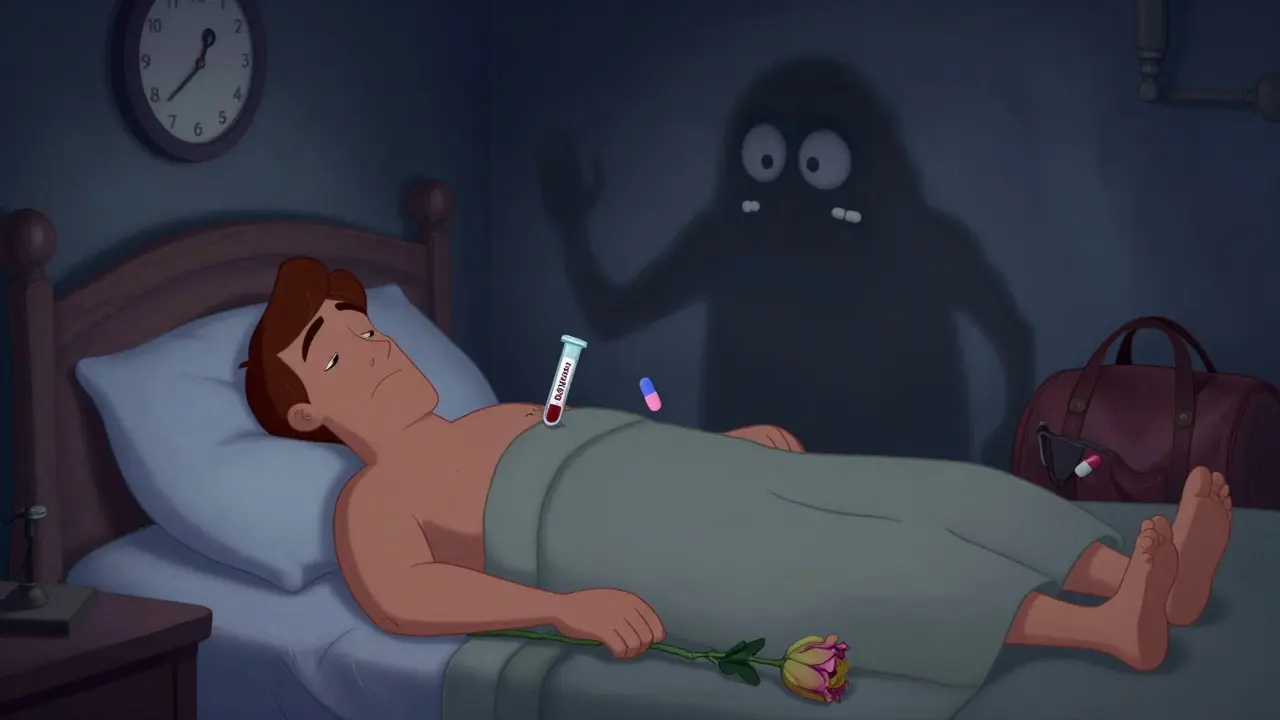
When you’re on opioids for long-term pain, your body isn’t just coping with pain-it’s fighting a silent hormonal war. Many people don’t realize that the drugs meant to ease their discomfort can quietly shut down their sex drive, wreck their sleep, and even stop their periods. This isn’t rare. It’s not just "feeling down." It’s biology. And it happens in 63% of men on chronic opioid therapy.
How Opioids Break Your Hormones
Opioids don’t just block pain signals. They hijack your brain’s command center for hormones. The hypothalamus, pituitary, and gonads-collectively called the HPG axis-work together to keep testosterone, estrogen, and cortisol balanced. Opioids like oxycodone, morphine, and fentanyl silence the hypothalamus, stopping it from releasing GnRH, the signal that tells your body to make sex hormones. Without GnRH, your pituitary stops making luteinizing hormone (LH). No LH means your testes or ovaries don’t get the message to produce testosterone or estrogen. In men, testosterone levels can drop 30-50% within just 30 days of starting daily opioid use. For many, levels fall below 300 ng/dL-the clinical cutoff for hypogonadism. In women, estrogen often stays normal, but testosterone plummets. That’s enough to kill libido, cause vaginal dryness, and throw menstrual cycles into chaos. The numbers don’t lie. A 2020 meta-analysis in the Journal of Clinical Endocrinology and Metabolism found that 63% of men on long-term opioids had biochemical hypogonadism. For women, 87% of premenopausal users developed menstrual problems-some stopped getting periods entirely. Even low doses matter. At 60-120 morphine milligram equivalents (MME) per day, hormonal disruption begins. At 120 MME or higher, it’s almost guaranteed.What This Looks Like in Real Life
For men, it’s not just about erections. It’s losing interest in sex entirely. Waking up without morning erections. Feeling exhausted all the time. Gaining weight, especially around the belly. Losing muscle. Mood swings that feel like depression-but don’t improve with therapy or antidepressants. On Reddit’s r/ChronicPain, one user wrote: "I was on oxycodone for two years. My doctor never checked my testosterone. I thought I was just getting older. Then I found out it was 180 ng/dL. I felt like a ghost in my own body." For women, it’s irregular or missing periods. A 2021 survey of 342 women on opioids found 78% had low libido, 63% had menstrual irregularities, and 41% said their depression got worse. Many were told it was "just stress" or "normal for chronic pain." One woman shared: "I stopped getting my period for nine months. My OB said I was perimenopausal. I was 32." These aren’t side effects you can ignore. They’re signs your body is in crisis.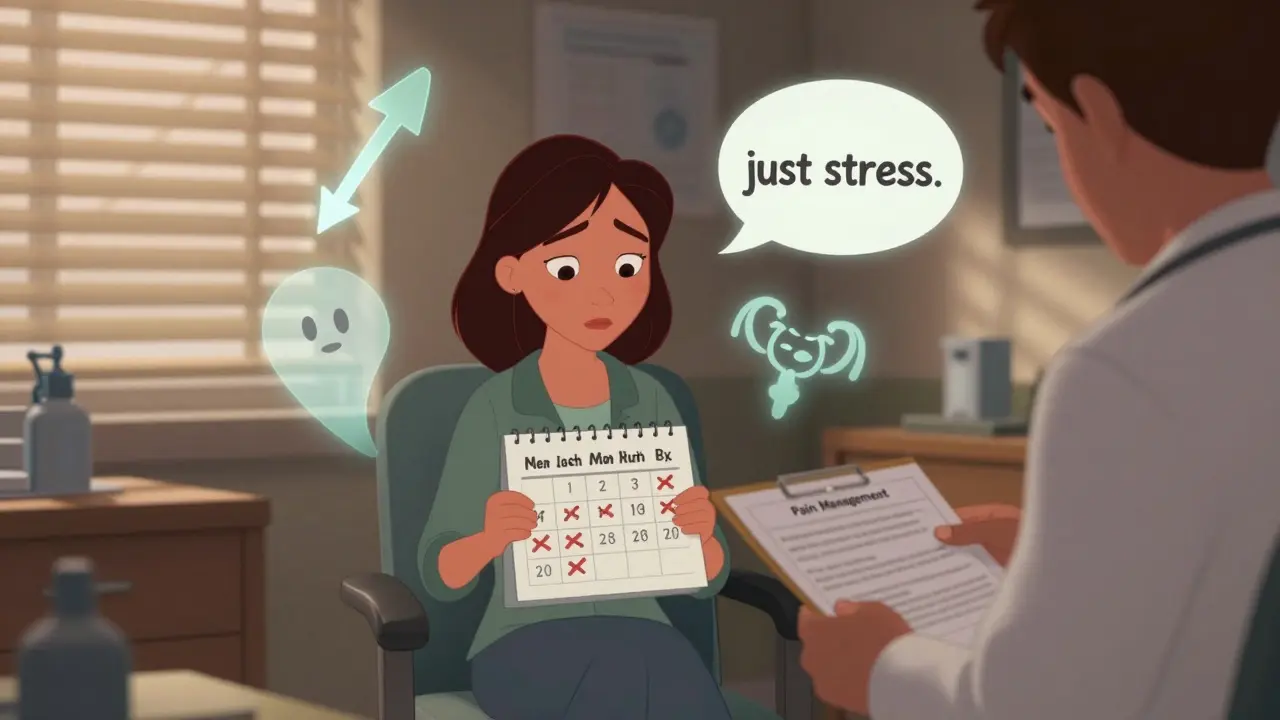
Opioids vs. Other Pain Meds
Not all painkillers do this. NSAIDs like ibuprofen or acetaminophen have minimal impact on hormones. Gabapentin and pregabalin affect testosterone in only 12% of users-far below opioids’ 63%. Physical therapy, cognitive behavioral therapy, and certain antidepressants like duloxetine have proven better for long-term pain control with no hormonal cost. The American Pain Society and CDC both warn against using opioids as first-line treatment for chronic non-cancer pain. Why? Because the risks-addiction, tolerance, constipation, and hormonal collapse-outweigh the benefits over time. Opioids work great for a broken bone or post-surgery pain. They’re a disaster for back pain, arthritis, or fibromyalgia that lasts years.Doctors Are Missing the Signs
Here’s the worst part: most doctors don’t ask. A 2023 study in JAMA Internal Medicine found only 38% of primary care doctors screen for opioid-induced hypogonadism. Patients report being dismissed. "You’re just depressed," they’re told. Or, "That’s just aging." But the Endocrine Society’s 2019 guidelines are clear: every man on chronic opioid therapy should have his testosterone checked before starting and every six months after. For women, monitoring menstrual cycles is just as critical. Yet, only 12% of clinics follow this in practice. Dr. Kharod, lead author of the 2020 study, calls this a public health blind spot. "We treat pain like it’s the only thing that matters. But if you lose your sex drive, your energy, your mood-you’re not living. You’re surviving."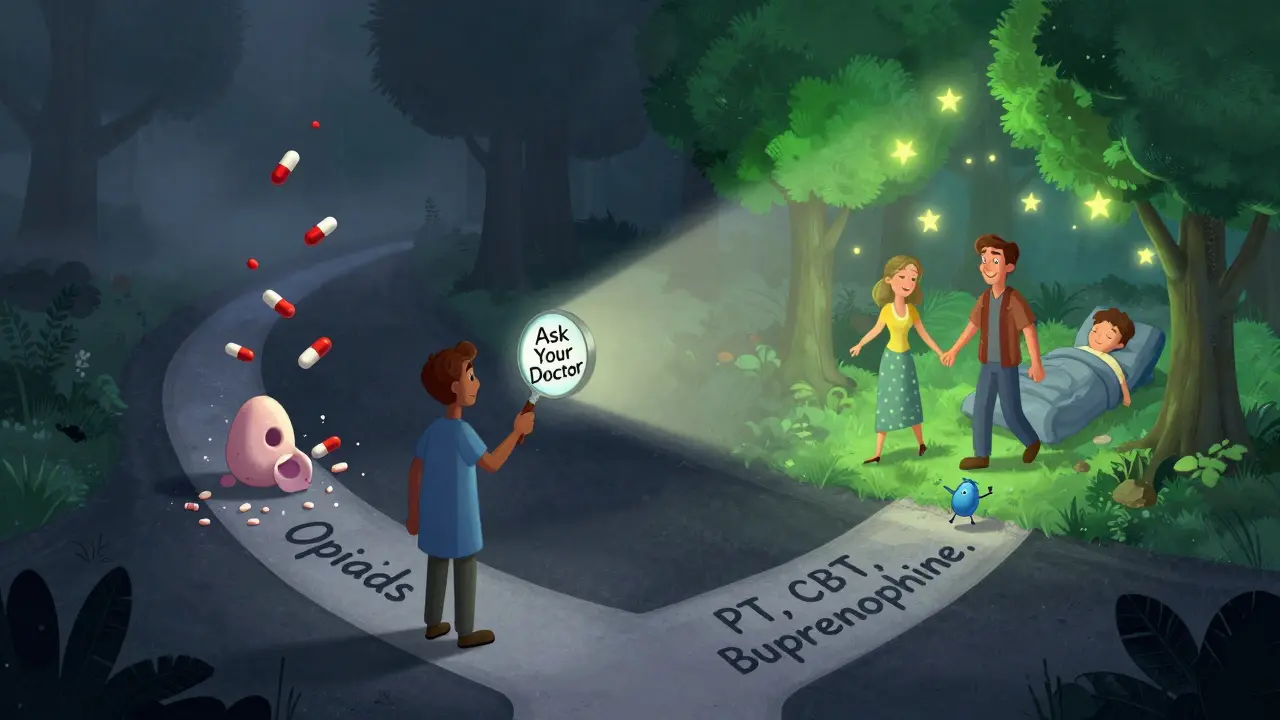
What Can You Do?
If you’re on opioids and noticing changes in your body, you’re not imagining it. Here’s what works:- Get tested. Ask for a morning testosterone blood test (total and free). For women, ask about LH, FSH, and estradiol if periods stop.
- Testosterone replacement (TRT) helps men. Injections, gels, or patches can restore levels in 70-85% of cases, improving libido, energy, and mood. But it requires monitoring-TRT can thicken blood (polycythemia) in 15-20% of users.
- PDE5 inhibitors like sildenafil (Viagra) or tadalafil (Cialis) can help with erections, even if testosterone is low. Success rates: 60-70%.
- For women, off-label testosterone patches (1-2 mg daily) have helped libido in small studies. No FDA-approved treatments exist yet, but research is growing.
- Consider alternatives. Buprenorphine (Belbuca) causes 40% less hormonal disruption than traditional opioids. Low-dose naltrexone combined with reduced opioid doses has boosted testosterone by 25-35% in recent Cleveland Clinic trials.
- Don’t quit cold turkey. Withdrawal can be brutal. 73% of people who try to stop opioids on their own go back to their old dose within 90 days. Work with a pain specialist and endocrinologist.
The Bigger Picture
The market for non-opioid pain treatments is exploding-projected to hit $59 billion by 2027. The testosterone replacement market is growing too, hitting $3.2 billion in 2022, partly because of opioid-induced hypogonadism. The FDA now requires drug labels to warn about sexual side effects. But awareness still lags. The real problem isn’t opioids themselves. It’s how we use them. We treat pain like a single problem, not a system-wide disruption. When you fix the pain but break the hormones, you’re not healing-you’re trading one suffering for another. The future of pain care isn’t just about stronger drugs. It’s about smarter care. Testing. Monitoring. Multidisciplinary teams. Patients who speak up. Doctors who listen. One man in Cleveland told his doctor, "I don’t want to live like this." He got his testosterone levels checked. Started TRT. Cut his opioid dose in half. Added physical therapy. Two years later, he said: "I have sex again. I sleep through the night. I feel like me." You can too. But only if you ask the right questions-and your doctor is ready to listen.Can long-term opioid use cause low testosterone?
Yes. Long-term opioid use suppresses the hypothalamic-pituitary-gonadal axis, leading to reduced testosterone production. Studies show 63% of men on chronic opioid therapy develop biochemical hypogonadism, with testosterone levels falling below 300 ng/dL. This occurs even at doses as low as 60-120 morphine milligram equivalents (MME) per day.
Do opioids affect women’s hormones too?
Yes. While estrogen levels often stay normal, opioids reduce testosterone in women, which impacts libido and sexual response. Up to 87% of premenopausal women on long-term opioids develop menstrual disorders, including amenorrhea (absent periods) in 19-67% of cases and irregular cycles in 33-50%. These changes are often misattributed to stress or aging.
Is testosterone replacement safe for people on opioids?
Testosterone replacement therapy (TRT) is effective for men with opioid-induced hypogonadism, improving libido, energy, and mood in 70-85% of cases. However, it requires careful monitoring due to risks like polycythemia (thickened blood) in 15-20% of users. TRT should be managed by an endocrinologist alongside pain care providers to avoid interactions and ensure safe dosing.
Can I stop opioids if they’re affecting my sex life?
Stopping opioids abruptly can cause severe withdrawal and relapse. 73% of people who try to quit on their own return to their previous dose within 90 days. A medically supervised taper, combined with non-opioid alternatives like physical therapy, gabapentin, or low-dose naltrexone, is safer and more effective. Many patients maintain pain control while improving hormone levels and sexual function.
Why don’t doctors test for hormone problems in opioid patients?
Many doctors aren’t trained to recognize opioid-induced endocrinopathy. A 2023 study found only 38% of primary care physicians routinely screen for it. Sexual side effects are often dismissed as depression or aging. But guidelines from the Endocrine Society and CDC clearly recommend baseline and regular hormone testing for all patients on chronic opioid therapy. Patient advocacy is key-ask for a testosterone test if you’re concerned.
Are there better pain treatments than opioids?
Yes. For chronic non-cancer pain, non-opioid options like physical therapy, cognitive behavioral therapy, NSAIDs, gabapentinoids, and certain antidepressants have better long-term outcomes with fewer side effects. Buprenorphine (Belbuca) causes 40% less hormonal disruption than traditional opioids. The American Pain Society and CDC now advise against opioids as first-line treatment for most chronic pain conditions.
Josh josh
January 27, 2026 AT 22:03bro i was on oxycodone for 3 years after my back surgery and i thought i was just getting old or lazy
turned out my t was at 190
started TRT and now i actually want to have sex again and dont feel like a zombie
also got my sleep back
doctors are clueless
Mohammed Rizvi
January 29, 2026 AT 04:1163% of men on opioids have low testosterone? That’s not a side effect, that’s a feature. The pharmaceutical industry didn’t build a $3 billion testosterone market by accident. They built the problem first, then sold you the fix. Classic capitalism. Meanwhile your doctor’s still asking if you’re ‘depressed’ while you’re crying in the shower because you can’t even muster the energy to text your partner.
Dan Nichols
January 30, 2026 AT 10:16Let’s be real here. If you’re on opioids long term you’re already making bad choices. The hormonal crap is the least of your problems. You think testosterone replacement fixes the root cause? Nah. It just lets you feel better while you keep poisoning your body. Stop blaming the drug and start blaming the person who couldn’t handle pain without it. Also, 60-120 MME? That’s not chronic pain that’s recreational use with a prescription
Renia Pyles
January 31, 2026 AT 23:36Oh so now it’s our fault we got addicted because we were in pain? You’re disgusting. I had endometriosis. I had 5 surgeries. I was on fentanyl patches. I stopped getting my period for 11 months. I was 29. My doctor laughed and said I was just stressed. Then I had to fight for a blood test like I was asking for a damn kidney. You people who blame patients are the reason people die silently.
Napoleon Huere
February 2, 2026 AT 13:34What if the real issue isn’t opioids or hormones but the entire medical paradigm that treats pain as a problem to be suppressed rather than a signal to be understood?
We’ve turned the body into a machine with broken parts. Take the pain away, fix the hormone, give you a pill for the side effect of the pill. But no one asks: why did your body break in the first place?
Maybe it’s not about replacing testosterone. Maybe it’s about restoring meaning. Purpose. Movement. Connection. The body doesn’t shut down hormones because of chemicals alone. It shuts down because it’s been abandoned.
Shweta Deshpande
February 2, 2026 AT 19:28I just want to say to anyone reading this who feels alone-your body isn’t broken, it’s just been misunderstood. I was in the same boat. Lost my period, zero libido, felt like a ghost. I found a pain clinic that actually listened. They ran tests, adjusted my meds, hooked me up with pelvic PT and mindfulness. It took months. It wasn’t magic. But now I’m back to hiking, laughing with my partner, and yes-even feeling desire again. It’s possible. You’re not weird. You’re not lazy. You’re just a human being in a system that forgot how to care.
Aishah Bango
February 3, 2026 AT 04:49TRT is just another crutch. You’re trading one addiction for another. The real solution is to get off opioids entirely and find natural ways to manage pain. Yoga, fasting, cold exposure, meditation. Your body doesn’t need synthetic hormones. It needs discipline. You think your testosterone is low because of the drug? No. It’s low because you’re weak. Stop looking for pills and start looking inward.
Simran Kaur
February 5, 2026 AT 04:28I’m from India and I never knew this was even a thing until I read this. My cousin in the US was on opioids for fibromyalgia and she told me she stopped menstruating and felt like she lost her identity. I cried when she said that. We don’t talk about this here-sex, hormones, pain. But we should. You’re not alone. If you’re reading this and feeling ashamed-please know your pain is valid. Your body is screaming. And someone, somewhere, is ready to listen. You deserve to feel whole again.
Neil Thorogood
February 6, 2026 AT 05:59So let me get this straight: opioids kill your sex drive, then we sell you testosterone patches and Viagra? 🤡
Meanwhile, the CDC says don’t use opioids for chronic pain… but they’re still prescribed like candy.
Doctors: "It’s just aging."
Pharma: "Here’s a pill for that."
Patients: "I just want to feel like a human again."
System: 💸
Also, I just got my TRT prescription and I’m crying happy tears. I haven’t had a morning boner in 4 years. 🙏