
Medication-Induced Orthostatic Hypotension Risk Calculator
This calculator helps you assess your risk of orthostatic hypotension (dizziness when standing) caused by medications. It considers common risk factors and medications mentioned in the article.
Note: This tool is for informational purposes only. Consult your doctor for medical advice.
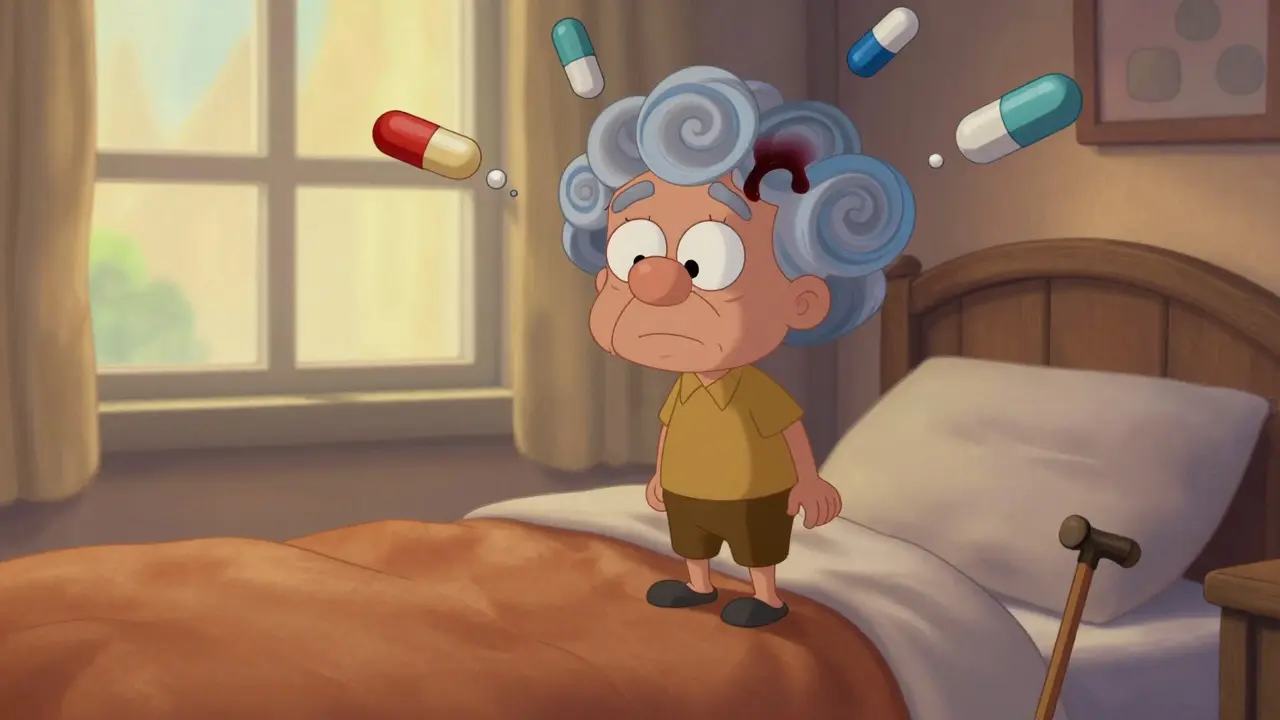
Standing up and feeling lightheaded isn’t just something that happens to older people-it’s a common side effect of many medications you might be taking right now. If you’ve ever felt like the room spun when you got out of bed, or nearly passed out after standing too fast, you’re not alone. This isn’t normal aging. It’s orthostatic hypotension, and it’s often caused by the very drugs meant to help you.
What Exactly Is Orthostatic Hypotension?
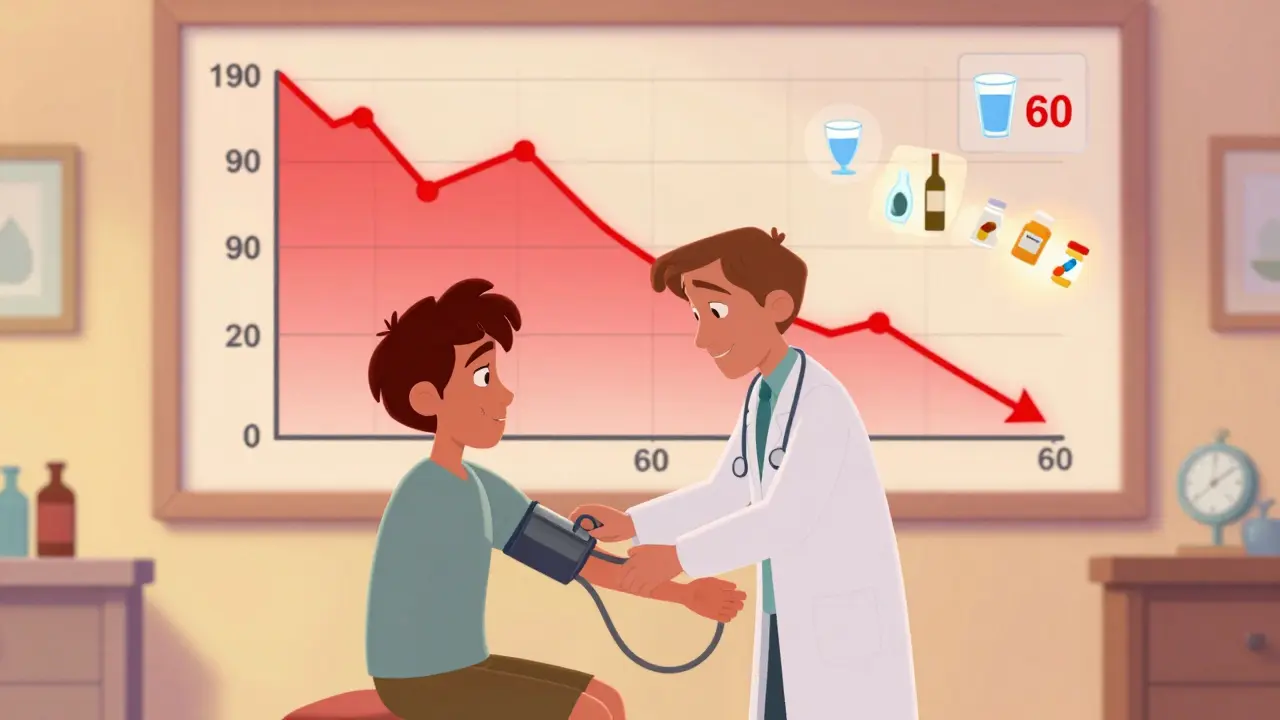
Orthostatic hypotension means your blood pressure drops too much when you stand up. The medical definition is simple: a drop of more than 20 mm Hg in systolic pressure (the top number) or more than 10 mm Hg in diastolic pressure (the bottom number) within three minutes of standing. That drop cuts off blood flow to your brain just long enough to make you dizzy, blurry-visioned, or even faint.It’s not just uncomfortable-it’s dangerous. People with this condition have a 15-30% higher chance of falling. Falls lead to broken hips, head injuries, hospital stays, and even death. Studies show those with medication-induced orthostatic hypotension have a 24-32% higher risk of dying over 10 years compared to those without it.
Which Medications Cause Dizziness When You Stand?
It’s not one drug. It’s a whole group. Many common prescriptions interfere with your body’s natural ability to keep blood pressure steady when you move from lying down to standing.- Antihypertensives-drugs for high blood pressure like lisinopril, losartan, and hydrochlorothiazide-are designed to lower blood pressure. But sometimes, they lower it too much when you stand.
- Diuretics (water pills) like furosemide or HCTZ reduce fluid volume. Less fluid means less blood to pump, and your body struggles to compensate when you stand.
- Alpha-blockers like doxazosin or terazosin, used for prostate issues or high blood pressure, relax blood vessels. That’s good for circulation-but bad for standing stability.
- Tricyclic antidepressants such as amitriptyline or nortriptyline block nerve signals that help raise blood pressure. Up to 30% of people on these meds develop orthostatic hypotension.
- Antipsychotics like quetiapine, clozapine, and chlorpromazine can cause dizziness in 20-40% of users. One Reddit user reported fainting twice after starting quetiapine-his blood pressure dropped from 128/82 to 92/61 in under two minutes.
- Opioids like oxycodone and morphine slow down your nervous system’s response. When combined with alcohol or benzodiazepines, the risk jumps 2.3 times.
- Parkinson’s meds like levodopa affect the autonomic nervous system. Up to half of Parkinson’s patients on these drugs experience orthostatic hypotension.
The more medications you take, the higher your risk. People on four or more drugs have 5.7 times the risk compared to those on one or two. That’s why elderly patients-often on six or more medications-are the most vulnerable.
Why Does This Happen?
Your body has a built-in system to keep blood flowing to your brain when you stand. When you rise, gravity pulls blood down to your legs. Special sensors in your arteries (baroreceptors) detect the drop in pressure and signal your heart to beat faster and your blood vessels to tighten. That keeps your brain supplied.Medications break this system. Some relax blood vessels. Some slow your heart’s response. Some reduce fluid volume. Others depress the brain’s ability to send those signals. The result? Blood pools in your legs. Your brain gets less oxygen. And you feel dizzy-or worse.
Unlike orthostatic hypotension caused by nerve damage (neurogenic OH), drug-induced cases often improve once you adjust the meds. That’s the good news.
Who’s Most at Risk?
You’re more likely to develop this if you:- Are over 70 years old (risk is 3.2 times higher than in younger adults)
- Take four or more medications
- Have diabetes, Parkinson’s, or heart failure
- Are dehydrated
- Drink alcohol regularly
- Have been bedridden or inactive for a while
And here’s the catch: up to 40% of people with orthostatic hypotension don’t even know they have it. They just think they’re getting clumsy or “just old.” That’s why many cases go undiagnosed for months. One Mayo Clinic study found 55% of patients had symptoms for over two months before anyone connected them to their meds.
What Should You Do If You Feel Dizzy When Standing?
Don’t ignore it. Don’t just accept it as part of getting older. Here’s what works:- Check your meds. Sit down with your doctor or pharmacist. List every pill, patch, or injection you take-even over-the-counter ones. Ask: “Could any of these be causing dizziness when I stand?”
- Get your blood pressure checked properly. Don’t just check it while sitting. Your doctor should measure it after you’ve been lying down for five minutes, then again at one, two, and three minutes after standing. This is the only way to confirm orthostatic hypotension.
- Don’t rush. When you get out of bed, sit on the edge for 30-60 seconds before standing. Use your arms to push up. Take your time. Move slowly.
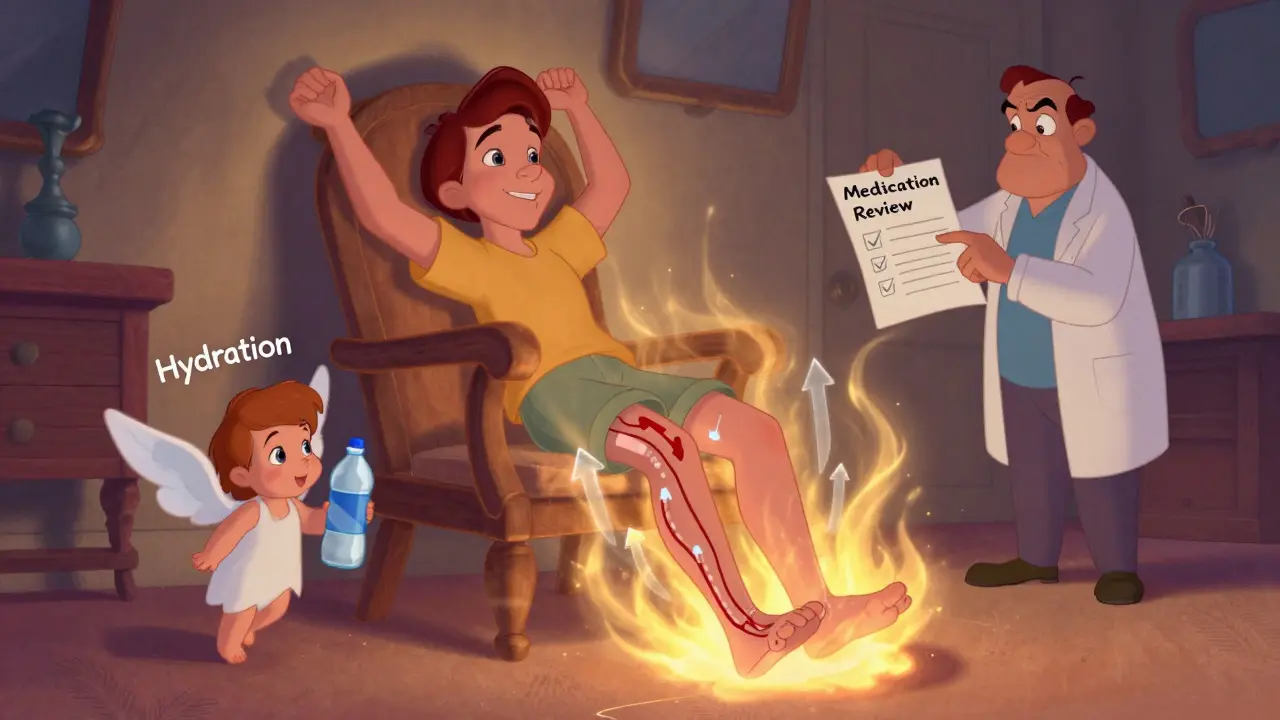
- Hydrate. Drink 2-2.5 liters of water a day. Dehydration makes this worse. Coffee and tea count, but don’t rely on them.
- Wear compression stockings. These help push blood back up from your legs. They’re simple, cheap, and surprisingly effective.
- Avoid hot showers and large meals. Heat and big meals both lower blood pressure. Wait at least an hour after eating before standing up.
One patient at Cleveland Clinic had recurrent falls. She was on six meds, including hydrochlorothiazide and lisinopril. After stopping the water pill, her dizziness vanished in 72 hours.
Can It Be Fixed Without Stopping Your Meds?
Sometimes. But often, you need to adjust them. Your doctor might:- Switch you to a different drug in the same class-like replacing clozapine with ziprasidone, which has far lower OH risk.
- Lower the dose.
- Change the timing-taking a blood pressure pill at night instead of morning can reduce morning dizziness.
- Add a drug like midodrine, which tightens blood vessels. It’s approved for this use and helps 65% of patients.
Studies show 65-80% of people feel better after a medication review. That’s not luck-it’s science. And it’s preventable.
Why This Matters More Than You Think
Orthostatic hypotension isn’t just a nuisance. It’s a warning sign. Falls in older adults are the leading cause of injury-related death. Medicare spent $31 billion in 2022 on fall-related care-and 30-40% of those cases were linked to medication-induced low blood pressure.Since 2020, the FDA requires drug labels to mention orthostatic hypotension risk if it happens in over 5% of clinical trial participants. The American Geriatrics Society’s Beers Criteria now lists 12 high-risk medications for seniors. More doctors are screening for it-but not all.
If you’re over 65, take multiple meds, or have had even one fall, ask for a blood pressure check while standing. It takes two minutes. It could save your life.
What’s Next?
Researchers are working on smarter drugs. Seven pharmaceutical companies are testing new agents that target only specific blood vessels-keeping blood pressure stable without causing dizziness. Genetic testing to predict who’s more prone to OH is also in early trials.But right now, the best tool you have is awareness. Know your meds. Move slowly. Stay hydrated. Talk to your doctor. Don’t let dizziness become your new normal.
Can orthostatic hypotension go away on its own?
Yes, in many cases. If the cause is medication-related, symptoms often improve within days to weeks after adjusting or stopping the drug. For example, stopping a diuretic like hydrochlorothiazide can resolve dizziness in under 72 hours. But if the cause is nerve damage or aging, improvement is slower and less likely. Always consult your doctor before making any changes.
Is orthostatic hypotension dangerous?
It can be. The main danger is falling, which can lead to fractures, head injuries, or hospitalization. Long-term, studies show people with this condition have a 24-32% higher risk of death over 10 years. It’s also linked to cognitive decline and heart problems. It’s not just about dizziness-it’s about survival.
Can I still take my blood pressure medicine if I get dizzy when standing?
You should not stop your blood pressure medication without talking to your doctor. But you may not need to keep the same dose or timing. Sometimes switching to a different drug, lowering the dose, or taking it at night helps. Your doctor can find a balance between controlling your high blood pressure and avoiding dangerous drops when you stand.
How do I know if my dizziness is from my meds or something else?
The key is timing. If you feel dizzy only when standing up-especially after starting a new drug or changing a dose-it’s likely medication-related. If you’re dizzy all the time, or have other symptoms like chest pain, numbness, or confusion, you need further testing. Your doctor can confirm it with blood pressure readings while lying and standing.
Are there any foods or drinks that make orthostatic hypotension worse?
Yes. Large meals, especially high-carb ones, can drop your blood pressure after eating. Alcohol is a major trigger-it relaxes blood vessels and dehydrates you. Caffeine can help temporarily by raising blood pressure, but it’s not a long-term fix. Avoid hot baths, saunas, and standing still for long periods. Drink water before standing, and eat smaller meals more often.
Should I avoid standing up quickly if I’m on these meds?
Absolutely. Always sit on the edge of the bed or chair for at least 30 seconds before standing. Use your arms to push up. Don’t rush. If you feel lightheaded, sit or lie down immediately. Many falls happen because people think they can push through the dizziness. Don’t risk it.
Alvin Bregman
January 14, 2026 AT 21:03Been dizzy as hell since I started lisinopril last month. Thought I was just getting old or not sleeping right. Turns out I was almost passing out every morning. Stopped the water pill my doc added and boom-no more spinning room. Why do they never tell you this stuff upfront?
Jason Yan
January 15, 2026 AT 17:59It’s wild how we’ve normalized dizziness as just part of aging when it’s often just our meds working too well. Your body isn’t broken-it’s being overcorrected. The autonomic nervous system is this beautiful, ancient feedback loop, and we’re throwing chemical wrenches into it with prescriptions that were never meant to be taken long-term in combination. We treat symptoms like puzzles to solve with more pills instead of asking why the system is collapsing in the first place. It’s not just orthostatic hypotension-it’s a symptom of a medical culture that prioritizes numbers over lived experience.
shiv singh
January 16, 2026 AT 10:48People keep blaming meds but no one talks about how lazy they are. You take 7 drugs, drink beer every night, sit on the couch all day, then act shocked when you faint? Stop being a walking pharmacy and move your damn body. Compression stockings? Water? That’s not hard. You want to live? Start acting like it.
Robert Way
January 16, 2026 AT 16:21i had this happen after startin quetiapine. thought i was gonna die. went to er, doc said oh thats normal. normal?? i fainted twice. why do drs just shrug? i switched to risperidone and im fine now. just sayin
Sarah Triphahn
January 18, 2026 AT 01:19Of course you’re dizzy. You’re on six meds. You’re 72. You’re not 25 anymore. This isn’t a conspiracy-it’s biology. Stop expecting your body to behave like it did in 2005. You want to avoid falls? Stop taking so many pills. Or better yet, die quietly before you break your hip and become a burden.
Vicky Zhang
January 18, 2026 AT 14:47OMG I JUST REALIZED THIS HAPPENED TO MY MOM LAST YEAR!! She kept saying she felt "woozy" after lunch and thought it was her diabetes. We went to the doctor and found out it was the hydrochlorothiazide + her blood pressure med. They cut the dose and she’s been walking like a new person. I cried when she said she hadn’t felt this good in years. PLEASE if you’re dizzy-ask your doctor to check you standing up. It takes two minutes. Two minutes could mean you don’t end up in a hospital bed.
Allison Deming
January 19, 2026 AT 13:42While the article appropriately highlights medication-induced orthostatic hypotension, it fails to address the broader systemic failure of polypharmacy in geriatric care. The proliferation of clinical guidelines, each advocating for additional pharmacological interventions without adequate consideration of cumulative risk, has created a perfect storm. Physicians are incentivized to meet quantitative benchmarks, not to optimize quality of life. The fact that 55% of patients endure symptoms for over two months before diagnosis underscores a catastrophic gap in clinical vigilance. Until prescribers are held accountable for cumulative drug burden-not just individual prescriptions-we will continue to see preventable morbidity and mortality.
Susie Deer
January 20, 2026 AT 16:26Stop taking foreign meds. America makes the best pills. If you’re dizzy, maybe you’re just weak. Get off the couch and lift weights. No one in my dad’s generation had this problem because they didn’t take 10 pills a day. Fix yourself, not the system.