
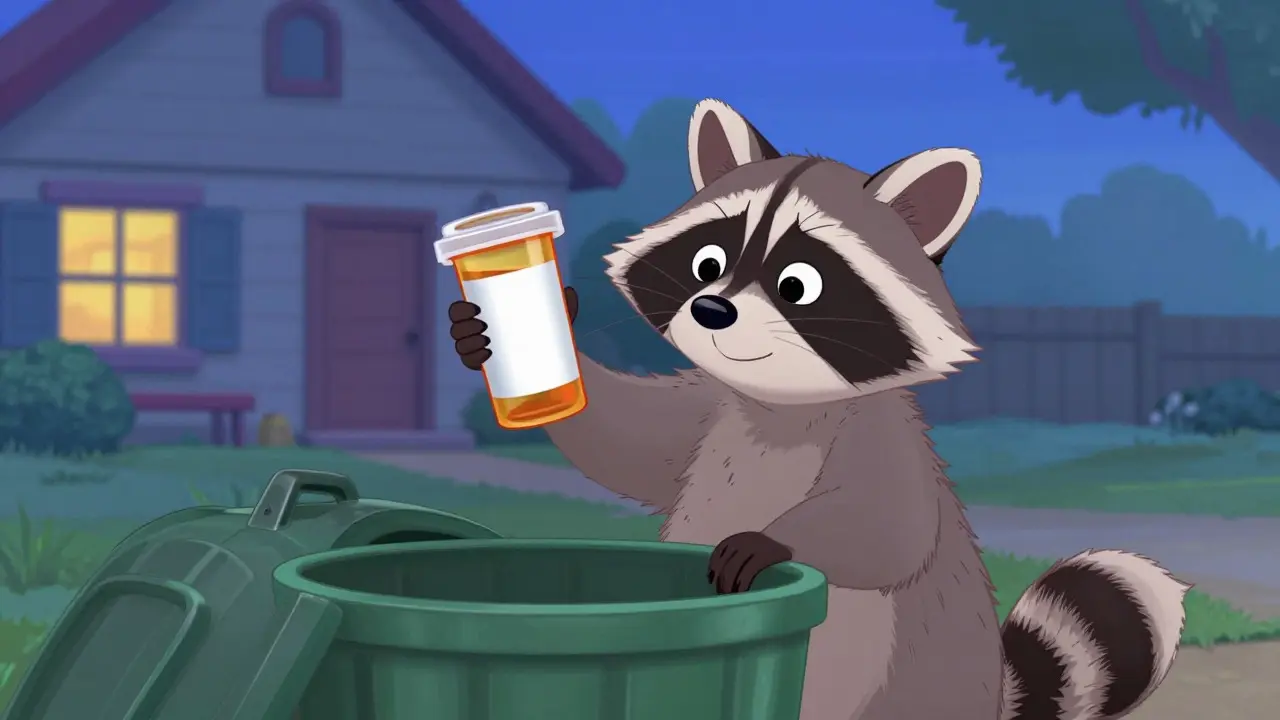
Have you ever thrown away an empty pill bottle without thinking about what’s on the label? Most people do. But that simple act can expose your name, address, diagnosis, and even your doctor’s details to anyone who flips through the trash. Protecting your privacy when disposing of medications isn’t just a nice-to-have; it’s a critical step in preventing identity theft and unauthorized access to your health records.
The stakes are higher than you might think. According to a 2021 study in the Journal of the American Pharmacists Association, 42% of prescription bottles found in residential trash still had readable personal information. That means nearly half of us are handing over our private data for free. If you’ve ever wondered how to dispose of meds safely without compromising your security, you’re in the right place. Here’s exactly what you need to know to keep your info safe while getting rid of unused or expired drugs.
Why Medication Disposal Is a Privacy Risk
Your prescription label is more than just a reminder to take your pills. It contains Protected Health Information (PHI), which includes your name, contact details, medication dosage, prescriber info, and sometimes your insurance number. Under the Health Insurance Portability and Accountability Act (HIPAA) Privacy Rule, healthcare providers must safeguard this data, but once that bottle leaves your home, the responsibility shifts to you.
If someone finds your discarded container, they don’t just get a hint about your health-they get a roadmap. Identity thieves have used discarded prescription bottles to open credit accounts, file fraudulent insurance claims, and even steal identities. In one documented case shared on Drugs.com, a user named 'MedSafetyMom' reported $1,200 in fraudulent charges after her oxycodone bottle was found in the trash with all her details intact. This isn’t a rare fluke; it’s a growing trend as digital identity theft becomes more sophisticated.
Moreover, improper disposal isn’t just a privacy issue-it’s a safety and environmental one. The Environmental Protection Agency (EPA) estimates that 3.2 million pounds of pharmaceuticals enter U.S. water systems annually. But before you worry about the environment, make sure you’re not leaking your personal data first. Privacy and proper disposal go hand in hand.
Understanding PHI on Prescription Containers
What exactly counts as sensitive information on your med packaging? The U.S. Department of Health and Human Services (HHS) defines PHI broadly. It includes:
- Your full name and address
- Social Security Number or driver’s license number
- Debit or credit card numbers
- Diagnosis or treatment details
- Prescription number (Rx number)
- Doctor’s or pharmacy’s contact information
Even if you think only your name is visible, the combination of your name, medication type, and prescriber can be enough for a thief to piece together your identity. For example, knowing you take a specific opioid or psychiatric medication can reveal sensitive health conditions, which might be targeted for discrimination or fraud.
The FDA updated its guidance in October 2022, emphasizing that individuals must “scratch out all personal information on the prescription label... to make it unreadable” before disposal. This isn’t optional if you want to stay protected. Think of your prescription label like a bank statement-would you throw it away without shredding it? Probably not. Treat your med containers with the same care.
Step-by-Step: How to Dispose of Meds Safely at Home
If you don’t have access to a take-back program, disposing of medications at home is your best bet. But doing it right takes a few extra minutes. The FDA recommends a five-step process that balances safety, privacy, and convenience. Here’s how to do it correctly:
- Remove the medication from its original container. Take the pills, capsules, or liquid out of the bottle or blister pack.
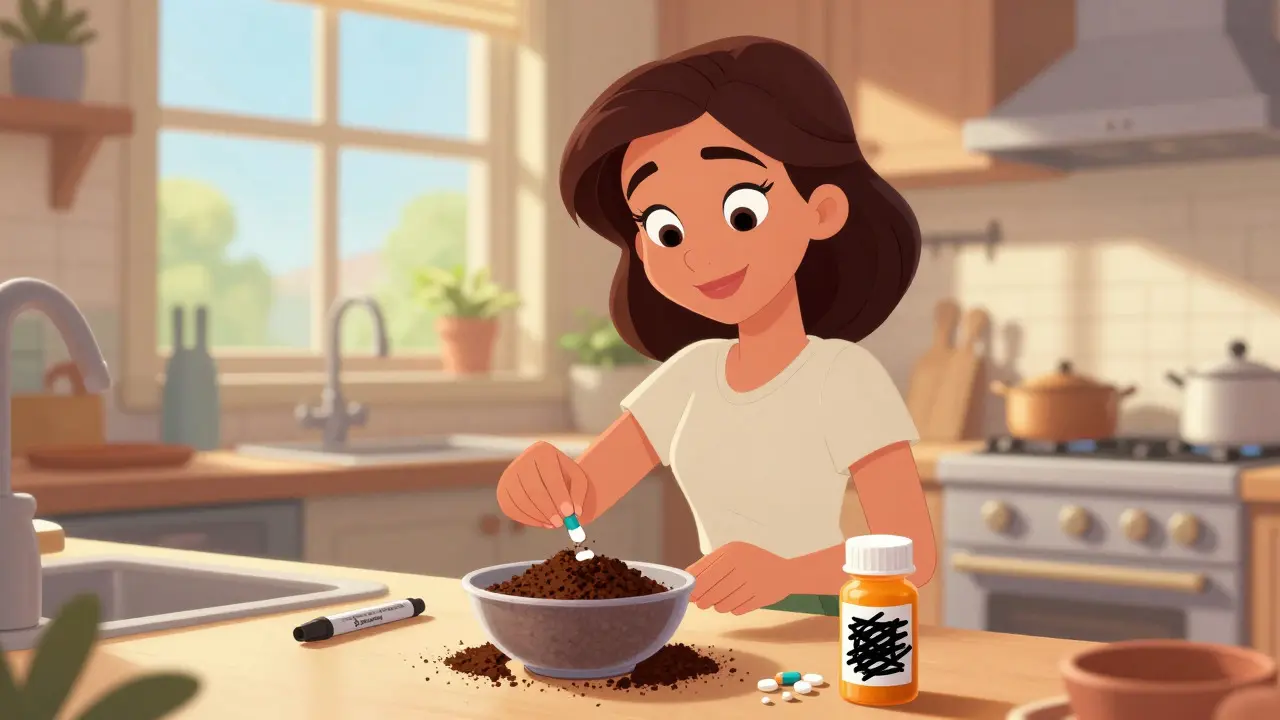
- Mix with an undesirable substance. Combine the meds with cat litter, used coffee grounds, or dirt. This makes them unappealing and harder to recover.
- Seal in a disposable container with a lid. Use a plastic bag, yogurt cup, or similar item that won’t leak. Tie it shut tightly.
- Destroy personal info on the original packaging. Scrub off labels with a permanent marker, duct tape, or sandpaper. Make sure no text is readable.
- Place both items in the trash. Put the sealed mix and the defaced container in your regular household waste.
This process takes about 5-7 minutes per container. Yes, it’s more work than just tossing the bottle in the bin. But those extra minutes could save you from months of identity theft headaches. According to CVS Health internal training materials, proper privacy protection adds 2-3 minutes to the disposal process compared to casual dumping. Worth it?
Take-Back Programs: The Gold Standard for Privacy
If you want the highest level of privacy protection, skip the trash entirely. Drug take-back programs are designed to destroy medications securely, so no one can read your label or recover your drugs. The DEA’s National Prescription Drug Take Back Day is the most well-known event, held twice a year. In April 2024, 6,000 collection sites across all 50 states gathered 821,181 pounds of medications. Between 2010 and 2022, these events collected a total of 9.5 million pounds, showing just how many people are choosing this route.
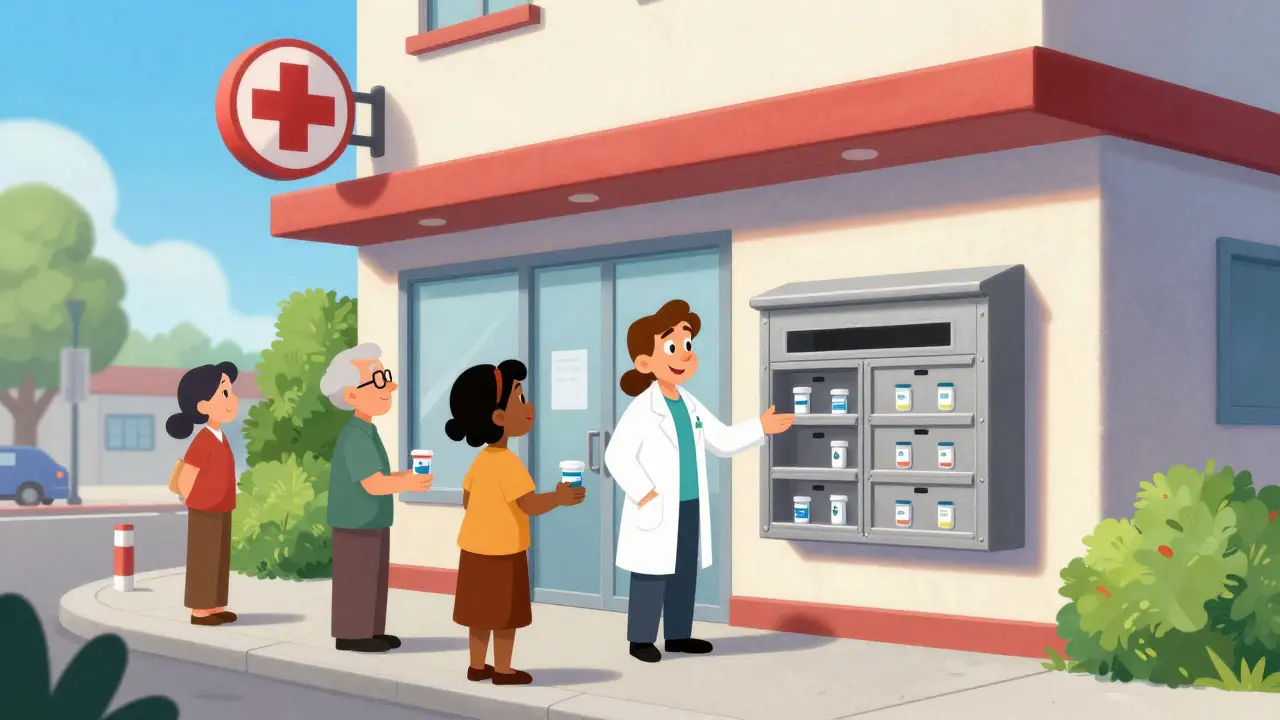
But you don’t have to wait for a national day. Many pharmacies, police stations, and community centers offer year-round drop-off boxes. As of January 2024, 87% of chain pharmacies in the U.S. now provide take-back services, up from 62% in 2019. This growth reflects increasing awareness of both safety and privacy concerns.
Mail-back envelopes are another option. Retailers like Walgreens have offered them since 2017, costing between $2.99 and $6.99 per envelope. You fill the envelope with your meds and return labels, then mail it to an authorized facility. Since the package goes directly to a secure location, there’s minimal risk of exposure. A Pharmacy Times reader poll from February 2024 found that 89% of patients who used take-back programs felt “very confident” about their privacy, compared to only 32% who used at-home methods.
Comparing Disposal Methods: Privacy, Cost, and Convenience
Not all disposal options are created equal. Some prioritize speed, others cost, and some focus heavily on privacy. Here’s a quick comparison to help you decide what works best for your situation:
| Method | Privacy Protection Level | Cost | Convenience | Best For |
|---|---|---|---|---|
| DEA Take-Back Day | Highest | Free | Low (must attend event) | Large quantities, high-risk meds |
| Pharmacy Drop-Off Box | High | Free | Medium (during business hours) | Regular users, ongoing needs |
| Mail-Back Envelope | High | $2.99-$6.99 | High (mail from home) | Remote areas, busy schedules |
| At-Home Deactivation Pouches | Moderate | $1.50-$3.00/unit | High (instant use) | Single doses, immediate disposal |
| Traditional Trash | Low (if steps skipped) | Free | Very High | Non-flush list meds, no other options |
Notice how the “Low” privacy rating for traditional trash comes with a caveat: it’s only low if you skip the privacy steps. If you follow the FDA’s five-step process carefully, at-home disposal can be quite secure. But human error is real. A Mayo Clinic Health System report from 2022 found that 68% of patients fail to properly remove personal information when using the trash method. So if you’re going the at-home route, double-check your work.
Special Cases: Flush List Medications and Controlled Substances
Some medications are so dangerous if ingested accidentally that the FDA recommends flushing them down the toilet immediately. These are called “Flush List” medications. As of May 2023, there are 15 such drugs, including certain opioids, stimulants, and heart medications. Flushing is the safest way to prevent accidental poisoning, especially in homes with children or pets.
But here’s the catch: when you flush a pill, you’re also throwing away the evidence of your prescription. If you flush the pill but leave the labeled bottle in the trash, you’ve only solved half the problem. Always deface the container before discarding it, even if you flushed the contents.
Controlled substances, like opioids and ADHD meds, carry additional risks. The Drug Enforcement Administration (DEA) mandates strict security protocols for their disposal to prevent diversion. If you’re disposing of large quantities of controlled meds, consider using a take-back program rather than at-home methods. It’s safer for everyone.
Common Mistakes to Avoid
Even well-intentioned people make mistakes when disposing of meds. Here are the most common ones-and how to fix them:
- Leaving labels partially visible. Don’t just scribble over your name. Ensure every piece of text is unreadable. Use a thick permanent marker or peel off the label entirely if possible.
- Assuming “small” info doesn’t matter. Your Rx number alone might seem harmless, but combined with your name, it’s a goldmine for thieves. Wipe everything.
- Forgetting about packaging inserts. Patient leaflets and instruction sheets often contain your name and medication details. Shred or discard them along with the container.
- Using the wrong disposal method for the drug. Check the FDA Flush List before deciding whether to flush, trash, or take back. Only 28% of patients correctly identified Flush List medications in a 2022 FDA test.
- Skipping the mixing step. Throwing pills directly into the trash without mixing them with cat litter or coffee grounds makes them easy to find and reuse. Always mix.
A University of Michigan study from 2023 found that 47% of users struggled to remove labels from plastic containers. If peeling is tough, try soaking the bottle in warm soapy water first, or use a razor blade carefully. Alternatively, cover the label with multiple layers of duct tape and then scratch it off.
Tools and Resources to Make It Easier
You don’t have to do this all by guesswork. Several tools can simplify the process and boost your confidence:
- DisposeRx Deactivation Pouches: These pouches contain activated carbon that neutralizes medications. They let you destroy both the drug and the label in one step. Priced around $1.50-$3.00 per unit, they’re a convenient option for single-dose disposals.
- Smartphone Apps: The DisposeRx app helps identify whether your medication is on the FDA Flush List. It’s free and updates regularly, saving you the hassle of looking up each drug manually.
- Permanent Markers: Industrial-strength markers like Sharpie Industrial ($4.99 per pack) are designed to withstand scrubbing and water. Regular office markers may fade or wipe off easily.
- Pharmacy Consultations: Talk to your pharmacist. They can advise you on the best disposal method for your specific medications and may offer take-back services on-site.
The National Community Pharmacists Association notes that patients typically need 2-3 disposal attempts to consistently implement proper privacy protection. So don’t stress if your first try feels clunky. Practice makes perfect, and each time you do it right, you’re building a habit that protects you long-term.
Frequently Asked Questions
Do I really need to hide my name on the pill bottle?
Yes. Your name, address, and medication details are considered Protected Health Information (PHI). Leaving them visible increases your risk of identity theft and unauthorized access to your health records. Always render all text unreadable before disposal.
Can I just throw my meds in the regular trash?
You can, but only if you follow the FDA’s five-step process: remove the meds, mix them with an undesirable substance, seal them in a lidded container, destroy all personal info on the packaging, and then trash both. Skipping any step reduces your privacy protection significantly.
What should I do with liquid medications?
Pour the liquid into a container with cat litter, coffee grounds, or dirt. Mix well until the liquid is absorbed. Then seal the container with a lid and dispose of it in the trash. Don’t pour liquids down the drain unless specifically instructed by the FDA or your pharmacist.
Are take-back programs available year-round?
Many are. While the DEA hosts national take-back days twice a year, most major pharmacies, police stations, and community centers offer year-round drop-off boxes. Check with your local pharmacy or law enforcement agency to find nearby locations.
How do I know if my medication is on the Flush List?
Check the FDA’s official Flush List, which is updated periodically. As of May 2023, it includes 15 medications. You can also use apps like DisposeRx to quickly verify if your specific drug requires flushing. When in doubt, ask your pharmacist.
Is it worth paying for mail-back envelopes?
If you live far from a take-back site or have a busy schedule, yes. Mail-back envelopes cost between $2.99 and $6.99 and provide high privacy protection by sending your meds directly to a secure facility. It’s a small price to pay for peace of mind.