

Medication-Induced Insomnia Checker
Select Your Current Medications
Choose all medications you are currently taking. This will help us identify potential sleep disruptors.
Describe Your Sleep Issues
Help us understand your specific sleep challenges to provide more targeted recommendations.
Your Personalized Analysis
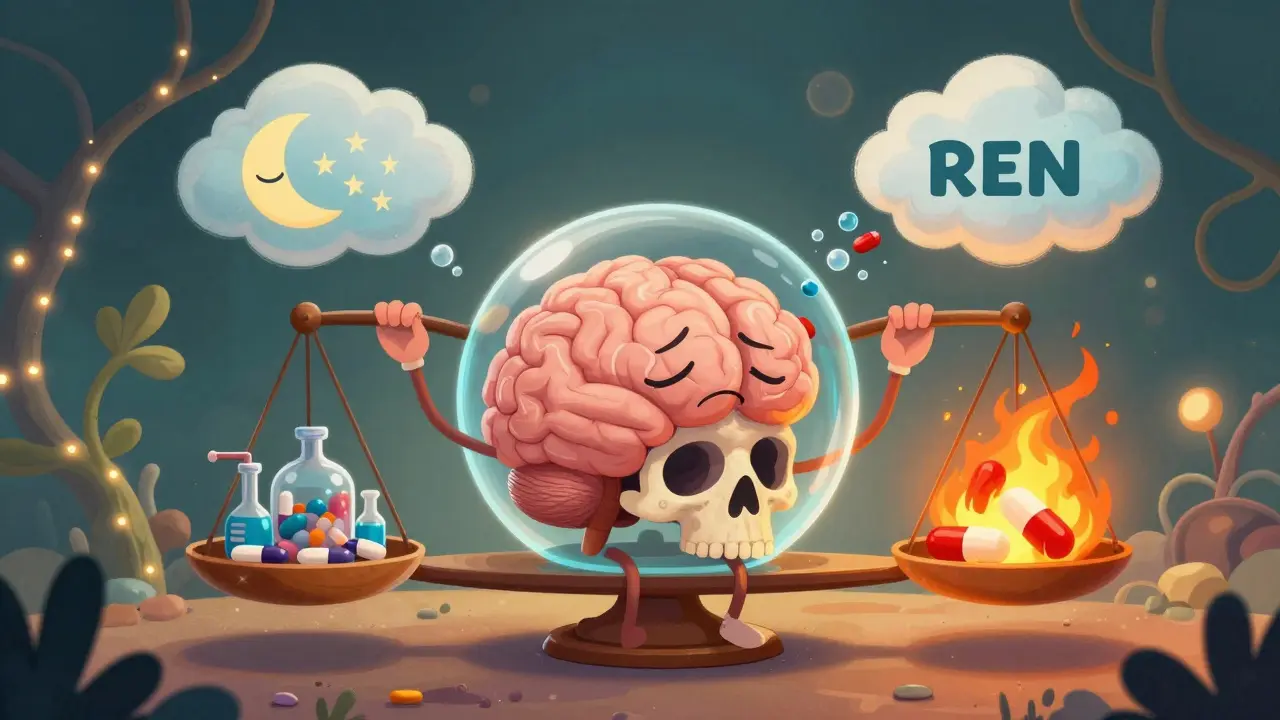
You take your pill at night. You go to bed. And then... you lie there for hours, staring at the ceiling, wondering why your brain won't shut off. If this sounds familiar, you might not just have bad luck with sleep. You might be dealing with medication-induced insomnia, a condition where the very drugs meant to help your health are actively sabotaging your rest.
This isn't a rare glitch. According to data from the National Sleep Foundation's 2023 poll, about 22% of adults report sleep disturbances they directly blame on their medications. The number jumps to 28% for people aged 50 to 65, who tend to manage more chronic conditions and prescriptions. The American Academy of Sleep Medicine officially recognizes this as a distinct disorder because it causes real distress and impairs daily functioning. But here is the good news: once you identify the culprit drug, you can often fix the problem without stopping your treatment entirely.
The Usual Suspects: Which Medications Disrupt Sleep?
Not all pills keep you awake in the same way. Some make it hard to fall asleep (sleep onset insomnia), while others wake you up repeatedly during the night (sleep maintenance insomnia). Knowing which class of drug you are taking helps you understand what is happening inside your body.
| Medication Class | Common Examples | Primary Sleep Effect | Prevalence of Side Effect |
|---|---|---|---|
| SSRIs (Antidepressants) | Fluoxetine (Prozac), Sertraline (Zoloft) | Nighttime awakenings, reduced REM sleep | 25-30% of users |
| Beta-Blockers (Blood Pressure) | Metoprolol (Lopressor), Propranolol (Inderal) | Frequent waking, nightmares | 17-22% of users |
| Corticosteroids (Anti-inflammatory) | Prednisone, Dexamethasone | Reduced deep sleep, high alertness | High incidence in evening doses |
| Stimulants (ADHD) | Adderall XR, Methylphenidate | Delayed sleep onset (>60 mins) | 25-50% of users |
| Decongestants (OTC) | Pseudoephedrine (Sudafed) | Difficulty falling asleep | 12-15% of users |
Why Your Meds Are Keeping You Awake
To fix the problem, you need to know the mechanism. These drugs interfere with your body’s natural chemical signals for sleep, primarily melatonin and cortisol.
Beta-blockers like metoprolol block adrenergic receptors in the pineal gland. A 2019 study in Sleep Medicine found that these drugs can decrease endogenous melatonin production by 42%. Melatonin is the hormone that tells your body it is time to sleep. When levels drop, your internal clock gets confused, leading to frequent nighttime awakenings.
SSRIs work by increasing serotonin availability in the brain. While this helps mood, serotonin also plays a complex role in sleep architecture. Research published in the Journal of Clinical Sleep Medicine (2020) showed that fluoxetine lengthens light stage 1 sleep by 18.7% and reduces REM sleep by 23.4%. This results in fragmented, non-restorative sleep where you feel tired despite being in bed for eight hours.
Corticosteroids mimic cortisol, the stress hormone. Normally, cortisol levels should be low at night. However, taking prednisone in the evening can elevate cortisol levels by 200-300% above normal patterns. This creates a state of physiological arousal, making it nearly impossible to enter deep stage 3 NREM sleep. A 2022 Cleveland Clinic study noted that patients on 20mg of prednisone experienced 47% less deep sleep compared to controls.
Practical Fixes: Timing and Alternatives
You do not always need to stop taking your medication. Often, small adjustments can restore your sleep cycle without compromising your health treatment.
1. Adjust Your Dosing Time
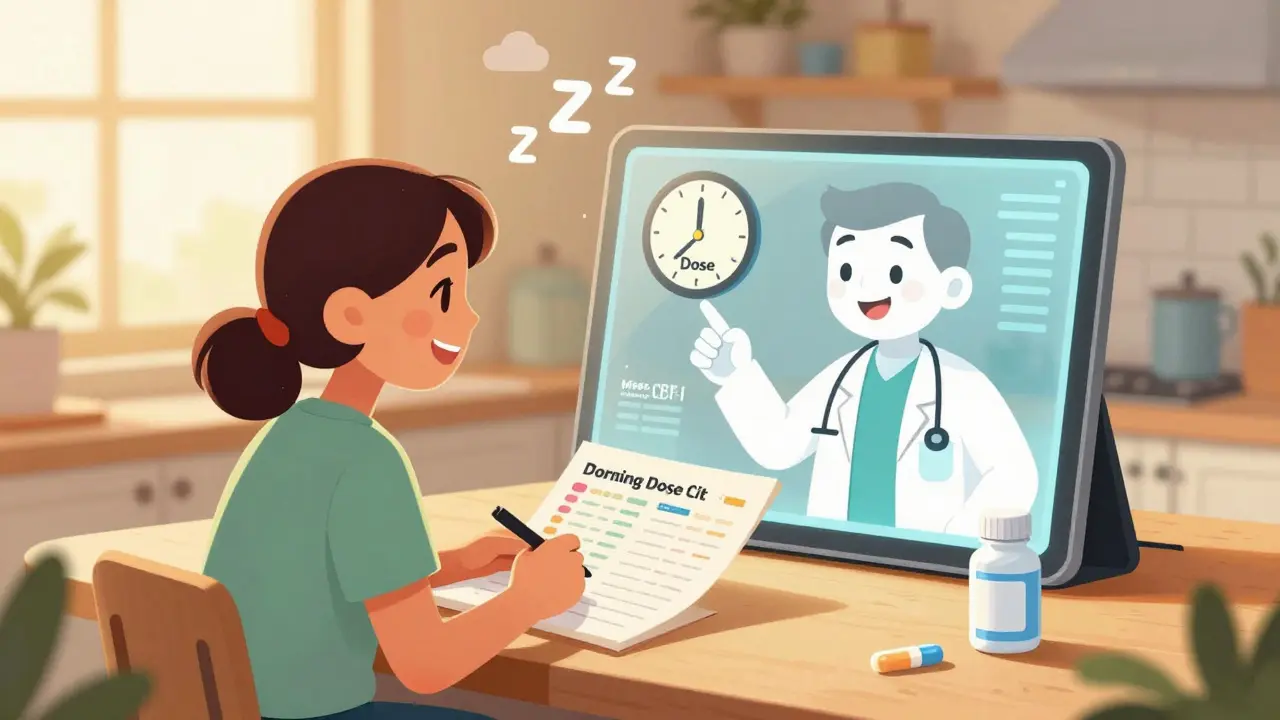
Timing is everything. For corticosteroids, the American College of Rheumatology recommends taking them before 9 AM. A 2022 study in Annals of the Rheumatic Diseases found that morning dosing reduced insomnia risk by 63% compared to afternoon or evening doses. Similarly, if an SSRI keeps you wired, ask your doctor if you can switch to morning administration. A 2022 study in the Journal of Clinical Psychiatry showed this simple shift reduced sleep disturbances by 45%.
2. Switch Formulations
If you are on a beta-blocker, the type matters. Fat-soluble beta-blockers like propranolol cross the blood-brain barrier easily, causing central nervous system side effects like insomnia and vivid dreams. Water-soluble options like atenolol do not cross this barrier as readily. A 2021 meta-analysis in the Journal of Hypertension indicated that switching to water-soluble formulations can reduce nighttime awakenings by 37%.
3. Use Targeted Supplements
For beta-blocker induced insomnia, supplemental melatonin can help replace what your body isn't producing. A 2020 randomized controlled trial in the American Journal of Cardiology found that taking 0.5-3mg of melatonin 2-3 hours before bedtime counteracted the sleep disruption by 52%. Always check with your doctor first, especially if you are on other meds.
4. Consider Alternative Medications
If timing changes don't work, your doctor might switch your prescription. For example, mirtazapine (Remeron) is an antidepressant with sedating properties. FDA clinical trial data suggests it resolves insomnia in 68% of cases where SSRIs failed. For ADHD, non-stimulant options like atomoxetine may have fewer sleep impacts than amphetamines.
The Danger of Stopping Cold Turkey
It is tempting to just throw away the pills that keep you awake. A 2023 Consumer Reports survey found that 34% of adults discontinued medications due to sleep side effects, and 61% did so without consulting their physician. This is dangerous. Abruptly stopping certain drugs can lead to withdrawal symptoms, rebound hypertension, or severe depression.
If you must stop a sleep aid or a medication causing insomnia, tapering is essential. The American Academy of Sleep Medicine guidelines recommend reducing dosage gradually. For instance, lowering zolpidem (Ambien) by 25% every two weeks under medical supervision lowers the risk of rebound insomnia from 65% to just 18%.
When to See a Specialist
How do you know if it is the meds or a primary sleep disorder? Dr. Raj Dasgupta from Keck School of Medicine suggests the "3-3-3 Rule": consult a specialist if sleep difficulties persist for more than 3 weeks, occur 3 or more nights per week, and cause significant daytime impairment on 3 or more days.
Also, be wary of over-the-counter aids. The American Geriatrics Society Beers Criteria lists diphenhydramine (Benadryl) as potentially inappropriate for adults over 65. While marketed as a sleep aid, it disrupts sleep architecture and causes next-day cognitive impairment in 35-40% of elderly patients, according to a 2021 study in the Journal of the American Geriatrics Society.
Next Steps for Better Sleep
Start by keeping a sleep diary for 14 days. Track when you take each medication and when you wake up. This data has an 82% sensitivity rate for identifying medication-sleep links, per a 2022 validation study. Bring this log to your doctor. Ask specifically about:
- Moving your dose to the morning.
- Switching to a water-soluble alternative (for beta-blockers).
- Adding low-dose melatonin if appropriate.
- Referral for Cognitive Behavioral Therapy for Insomnia (CBT-I), which has 65-75% efficacy even for medication-related sleep issues.
Can I take melatonin with my blood pressure medication?
In many cases, yes. Studies show that 0.5-3mg of melatonin taken 2-3 hours before bed can help counteract the melatonin-suppressing effects of beta-blockers like metoprolol. However, always consult your cardiologist first, as interactions can vary based on your specific health profile and other medications.
Which beta-blocker is least likely to cause insomnia?
Water-soluble beta-blockers such as atenolol (Tenormin) or nadolol are less likely to cause insomnia because they do not cross the blood-brain barrier as easily as fat-soluble ones like propranolol (Inderal) or metoprolol (Lopressor). Ask your doctor if a switch is medically viable for your condition.
Does stopping an SSRI immediately fix sleep problems?
No, and it is risky. Stopping SSRIs abruptly can cause withdrawal symptoms and potentially worsen anxiety or depression, which themselves disrupt sleep. Tapering slowly under medical supervision is the safest approach. Additionally, switching to a different antidepressant with sedating properties, like mirtazapine, might resolve the issue without losing therapeutic benefits.
Are over-the-counter decongestants safe for sleep?
Pseudoephedrine (Sudafed) is a stimulant and causes insomnia in 12-15% of users. It is best avoided after mid-afternoon. Even "non-drowsy" antihistamines like loratadine (Claritin) can contribute to sleep onset difficulties in 8-10% of users. For better sleep hygiene, avoid OTC cold meds close to bedtime.
What is CBT-I and does it work for medication-induced insomnia?
Cognitive Behavioral Therapy for Insomnia (CBT-I) is a structured program that helps you identify and replace thoughts and behaviors that cause or worsen sleep problems. A 2023 meta-analysis in JAMA Internal Medicine found it has 65-75% efficacy in managing sleep disturbances, including those triggered by medications, making it a highly recommended non-pharmacological intervention.