
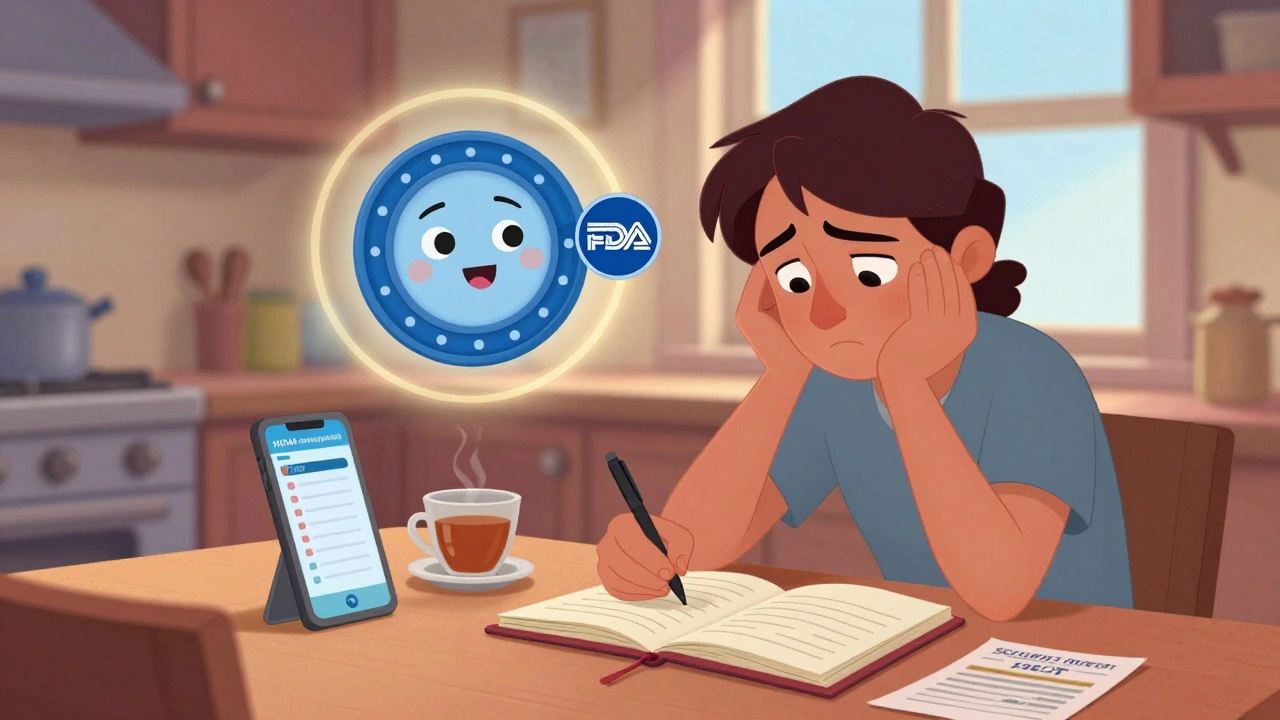
When you get a safety communication about a drug, medical device, or public health risk, it’s not just a notice-it’s a signal to pay attention. These alerts come from the FDA, CDC, or your healthcare provider when something potentially harmful has been identified. Maybe it’s a recalled implant, a new side effect linked to a medication, or an outbreak tied to a specific product. What happens next? Monitoring your symptoms isn’t optional. It’s how you protect yourself and others.
Understand What the Safety Communication Means
Not all safety alerts are the same. Some warn about rare side effects. Others signal urgent risks-like a batch of pills contaminated with a toxic chemical, or a pacemaker that could fail. The communication will usually say who it’s for: patients, doctors, or both. Read it carefully. Look for keywords like “immediate action,” “discontinue use,” or “seek medical evaluation.” If it mentions a specific brand name, lot number, or model, write it down. You might need it later.Know What Symptoms to Watch For
The safety notice should list the symptoms linked to the risk. If it doesn’t, ask your doctor. Common ones include: unexplained fever, swelling, dizziness, nausea, skin rash, unusual fatigue, or pain at the site of a device. For medications, watch for changes in mood, sleep, or digestion. For implants or devices, look for redness, warmth, or sudden malfunction. Don’t ignore small changes. A headache you can’t explain, or a new tingling in your fingers, could be early signs. Keep a list of these symptoms handy. Print it. Save it in your phone. Use the CDC’s official symptom checklist if it’s available for your situation.Choose Your Monitoring Method
There are two main ways to track symptoms: active and passive. Active monitoring means someone checks in with you regularly-daily calls, texts, or app notifications. This is common after high-risk exposures, like being near a confirmed outbreak or getting a new implant. Passive monitoring means you check yourself. You record symptoms only if they appear. Most people use passive methods unless told otherwise. If you’re over 65, have limited tech access, or live alone, passive monitoring might be safer. But if you’re unsure, default to active. Better to be checked on than left guessing.Use a Simple Tracking System
You don’t need a fancy app. Start with a notebook or a notes app. Write down: the date, time, symptom, how bad it is (use a scale of 1 to 10), and what you did about it. Example: “Dec 5, 8:30 AM-dizziness, 7/10, sat down, drank water, waited 20 min.” If you use a digital tool, pick one that’s HIPAA-compliant. Many free apps aren’t. The CDC’s v-safe system, for example, was built for vaccine monitoring and meets federal privacy rules. Other tools like Epic MyChart or MyTherapy are also reliable. Avoid random apps from app stores unless your doctor recommends them.Set Reminders and Stick to Them
Symptom monitoring fails when people forget. Set a daily alarm-even if you feel fine. Check in at the same time each day. Morning works best. If you’re doing passive monitoring, make it part of your routine: after brushing your teeth, before breakfast. If you’re doing active monitoring, respond to texts or calls right away. Don’t delay. The sooner you report a symptom, the faster help can come. Studies show that people who set reminders reduce missed symptoms by 42% compared to those who don’t.
Know When and How to Report
Don’t wait for symptoms to get worse. If you notice anything new or unusual, report it immediately. Use the contact info in the safety notice. If it’s a drug, report to the FDA’s MedWatch program. If it’s a device, call the manufacturer’s hotline. Your doctor should also be notified. Use the SBAR method to make your report clear: Situation (“I’ve had chest tightness since Tuesday”), Background (“I got the XYZ stent last month”), Assessment (“I think it might be related”), Recommendation (“Can we check my ECG?”). This cuts confusion and speeds up action. In one study, using SBAR increased reporting accuracy by 47%.Don’t Ignore the Emotional Side
Monitoring symptoms isn’t just physical. It can be stressful. You might feel anxious, guilty, or paranoid. That’s normal. But don’t let fear paralyze you. Talk to someone-a friend, a counselor, your doctor. If you’re overwhelmed, take a break. But don’t stop tracking. Mental stress can mask physical symptoms. If you notice trouble sleeping, irritability, or loss of appetite, write it down. These are also signs your body is under strain.What to Do If Symptoms Get Worse
If your symptoms spike-like sudden shortness of breath, confusion, severe pain, or fainting-don’t wait. Go to the ER or call 911. Don’t text your doctor first. Don’t wait for a callback. Emergency care is faster than any alert system. Keep a printed copy of the safety communication in your wallet or phone. Paramedics and ER staff need to know what you’re monitoring for. Bring your symptom log. It saves time and could save your life.What Happens After You Report
Once you report a symptom, you’re not done. You’ll likely get follow-up questions. Maybe a blood test. Maybe an X-ray. Maybe a visit to a specialist. Keep all records. Save lab results, doctor’s notes, prescriptions. The FDA and CDC use this data to improve future safety alerts. Your report could help prevent someone else’s crisis. If you’re a patient with a recalled device, you might be offered a replacement or refund. If it’s a drug, you may be switched to a safer alternative. Stay in touch with your provider. Don’t assume they’ll reach out first.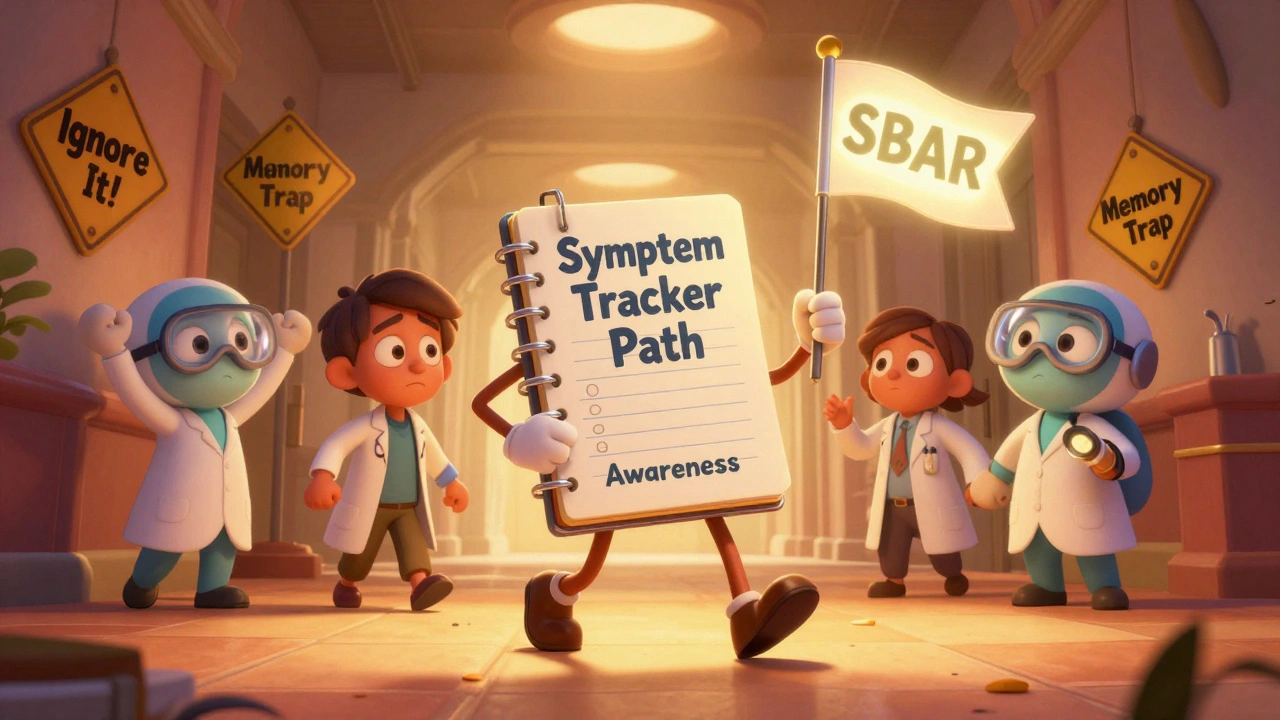
Common Mistakes to Avoid
People mess up in predictable ways. Don’t be one of them. Don’t assume “no symptoms = no risk.” Some reactions take weeks. Don’t rely on memory. Write it down. Don’t ignore a symptom because “it’s probably nothing.” That’s how small problems become emergencies. Don’t share your log with unsecured apps or social media. Your health data is private. Don’t stop monitoring just because the alert seems old. Some risks show up months later.Long-Term Monitoring and Record Keeping
Some safety issues require monitoring for years. For example, if you got a metal hip implant linked to metal poisoning, you’ll need blood tests every 6-12 months for life. OSHA requires employers to keep workplace exposure records for 30 years. The FDA requires device manufacturers to keep symptom data for at least 2 years. Keep your own copy forever. Store it digitally and on paper. Include dates, symptoms, test results, and who you talked to. This isn’t just for you. It’s for future doctors, researchers, and even your family if something happens down the line.What’s New in 2025
By 2025, symptom monitoring is getting smarter. The FDA now requires real-time data submission for high-risk devices. AI tools are being tested to predict which patients are most likely to react badly-based on age, genetics, and past health. But these tools aren’t perfect. Studies show they’re 22% less accurate for non-English speakers. That’s why human oversight still matters. If you’re offered an AI-based tracker, ask: “Is this FDA-cleared? Is it tested on people like me?” Don’t accept anything that hasn’t been validated for your group.Final Checklist
- Read the safety communication fully and save a copy.
- Write down the exact symptoms to watch for.
- Choose active or passive monitoring based on risk level.
- Use a trusted app or notebook to log symptoms daily.
- Set a daily reminder to check in.
- Report any new symptom immediately using SBAR.
- Know your emergency plan-when to call 911.
- Keep all records for life.
What should I do if I miss a symptom check-in?
If you miss a daily check-in, don’t panic. Just resume tracking the next day. If you’re on active monitoring and miss two days in a row, the system may flag you. Call your provider to explain. If you’re doing passive monitoring, just make sure you didn’t miss any symptoms. The goal isn’t perfection-it’s awareness.
Can I use a fitness tracker to monitor symptoms?
Fitness trackers can help with heart rate or sleep patterns, but they’re not medical devices. They can’t reliably detect symptoms like dizziness, nausea, or rashes. Don’t rely on them alone. Use them as a supplement, not a replacement, for manual tracking. Always confirm unusual readings with a doctor.
Do I need to report symptoms even if I feel fine?
No-you only report symptoms when you have them. But you still need to check daily. Even if you feel fine, logging “no symptoms” helps your provider see a pattern. If you stop logging entirely, they won’t know if you stopped tracking or just didn’t have issues.
What if the safety communication doesn’t list any symptoms?
Contact your doctor or the issuing agency. Ask: “What signs should I watch for?” If it’s a drug, look up the FDA’s full safety review. If it’s a device, check the manufacturer’s website. Sometimes symptoms are listed in technical documents, not the public alert. Don’t guess.
How long should I keep monitoring?
Follow the guidance in the safety notice. Some alerts say “monitor for 30 days.” Others say “lifelong.” If it’s unclear, ask your provider. For drugs, monitor for at least 3 months-side effects can appear slowly. For devices, monitor for at least a year. If symptoms appear, keep going. Your log could be critical later.
Aman deep
December 12, 2025 AT 12:12Man, this post is actually super helpful. I’ve been monitoring my blood pressure after that recalled hypertension med last year, and writing stuff down in a notes app saved my life when I started getting weird dizziness. Didn’t even realize it was connected until I checked my log. Seriously, just keep a damn notebook. No app needed.
Rebecca Dong
December 13, 2025 AT 12:58Of course the FDA wants you to ‘track symptoms’-but have you seen who’s behind these alerts? Big Pharma pushes these ‘safety comms’ to scare people off cheaper generics so they can jack up prices on their overpriced pills. This isn’t about safety-it’s about profit. They don’t care if you live or die, just as long as you keep buying their brand-name nonsense.
Sarah Clifford
December 15, 2025 AT 00:43bro why is this so long?? i just want to know if i should freak out or not. like if my knee hurts after the implant, do i call 911 or just ice it??
Regan Mears
December 15, 2025 AT 06:51Thank you for this. Seriously. I’ve been a nurse for 18 years, and I’ve seen too many patients ignore early signs because they thought, ‘It’ll pass.’ It doesn’t always. Logging symptoms isn’t about being paranoid-it’s about being proactive. And using SBAR? That’s not just good advice-it’s lifesaving communication. If you’re scared to talk to your doctor, practice it out loud first. You’ve got this.
Lisa Stringfellow
December 15, 2025 AT 10:37Ugh. I read all this and I’m just exhausted. Why do we have to be our own health detectives? Why can’t someone just tell us what to do without making us keep a 17-page journal? I already have three kids, a job, and a cat who knocks over my water glass every morning. I don’t have time to rate my dizziness on a scale of 1–10. And don’t even get me started on ‘HIPAA-compliant apps.’ Who even has the energy for that?
Nikki Smellie
December 15, 2025 AT 12:46Have you considered that these 'safety communications' are part of a larger surveillance program? The CDC is using symptom logs to build biometric profiles of citizens. Every time you type 'dizziness: 5/10' into your app, you're feeding data to a private contractor that sells it to insurance companies. They use it to raise your premiums. They're watching you. Always. And they know when you skip a day.
Stephanie Maillet
December 16, 2025 AT 08:05It’s fascinating how this post frames monitoring as an individual responsibility, when the real issue lies in systemic failures-the lack of accessible healthcare, the erosion of trust in institutions, the commodification of health data. We’re being asked to internalize risk because structural safeguards have been dismantled. Perhaps the real question isn’t ‘How do I track my symptoms?’ but ‘Why do I have to?’
Ben Greening
December 16, 2025 AT 10:08While the advice is generally sound, I’d caution against over-reliance on any digital tool. I’ve seen patients who trusted fitness trackers to detect arrhythmias, only to delay seeking care because their device showed ‘normal’ readings. The human body doesn’t always conform to algorithmic expectations. When in doubt, consult a professional-not a smartphone.
David Palmer
December 18, 2025 AT 04:49lol why are we all stressing over this? i got a recalled knee implant and i just kept drinking coffee and pretending nothing happened. guess what? still walking. maybe the whole thing’s just hype. if you’re not bleeding or screaming, chill the hell out.
Regan Mears
December 18, 2025 AT 04:53David, I get it-you want to believe it’s all overblown. But I’ve seen people who thought the same thing. One guy ignored a rash after a new antibiotic. Three weeks later, he had sepsis. He didn’t die-but he lost his spleen. This isn’t about being ‘high-strung.’ It’s about knowing when to act before it’s too late. Your coffee habit won’t save you if your body’s screaming.