
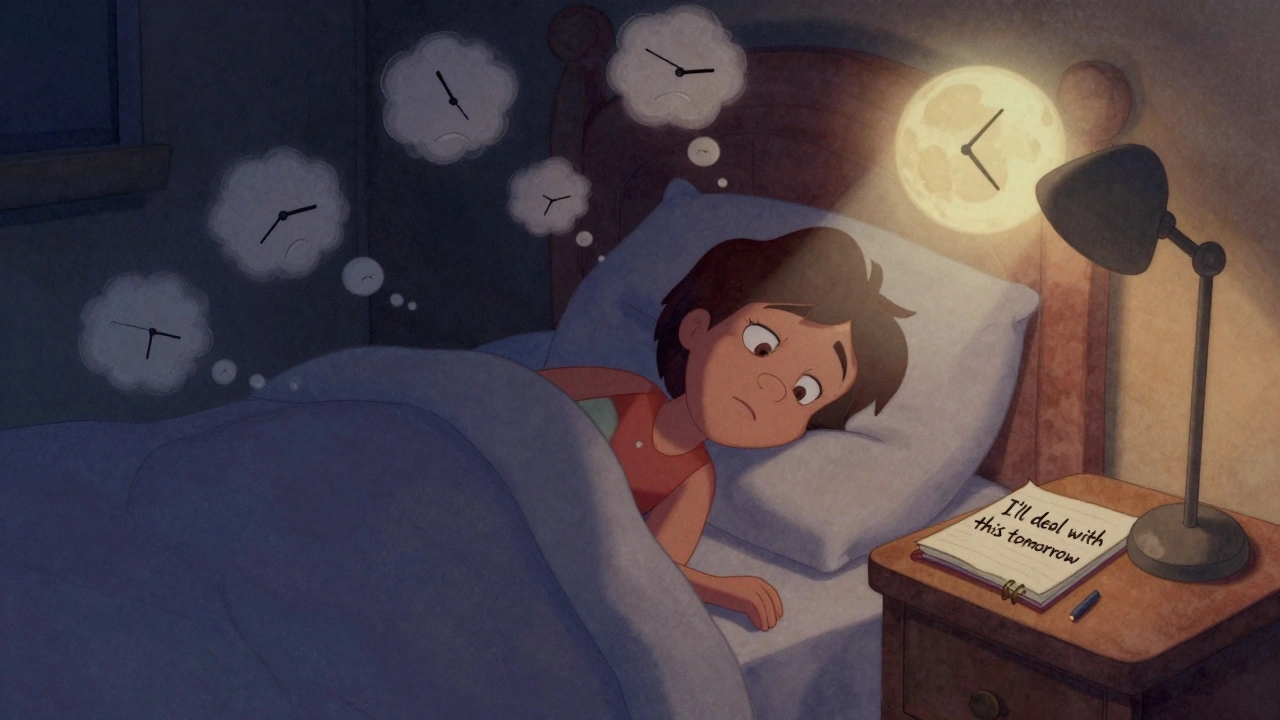
When you can’t sleep, your mind doesn’t rest. It races. It replays conversations. It dreads tomorrow. For millions of people with depression or anxiety, insomnia isn’t just a side effect-it’s the engine driving the whole cycle. You feel tired, irritable, hopeless. You lie awake at 3 a.m., convinced you’ll never fall asleep. The next day, your mood crashes harder. It’s not coincidence. It’s biology. And the good news? Insomnia treatment isn’t just about getting more sleep-it’s one of the most powerful ways to break free from depression and anxiety.
Why Insomnia Isn’t Just a Symptom
For years, doctors treated sleep problems as a side effect of depression or anxiety. If you were sad or anxious, you probably had trouble sleeping. Fix the mood, and sleep would follow. But research now shows that’s backwards. Insomnia doesn’t just come along with depression-it helps create it. A 2025 study in Frontiers in Psychiatry found that people with chronic insomnia are 40 times more likely to develop severe depression than those who sleep well. That’s not a correlation. That’s a cause. When your brain doesn’t get the deep, restorative sleep it needs, stress hormones like cortisol and CRH stay elevated. Your nervous system stays stuck in fight-or-flight mode. Your ability to regulate emotions weakens. Over time, this rewires your brain to be more vulnerable to anxiety and depression. The Diagnostic and Statistical Manual of Mental Disorders, Fifth Edition (DSM-5) was the first to officially recognize this. It no longer lists insomnia as just a symptom of depression-it calls it an independent risk factor. That’s a game-changer. It means treating sleep isn’t optional. It’s essential.What Works: CBT-I as the Gold Standard
The most effective treatment for insomnia in people with depression and anxiety isn’t a pill. It’s CBT-I-Cognitive Behavioral Therapy for Insomnia. Unlike sleeping pills, which offer short-term relief, CBT-I targets the root causes: bad sleep habits, anxious thoughts about sleep, and the brain’s learned association between bed and wakefulness. CBT-I isn’t one thing. It’s a structured, six- to eight-week program with four core parts:- Stimulus control: Your bed is only for sleep and sex. No scrolling, no worrying, no watching TV. If you’re not asleep in 20 minutes, get up. Go sit in another room until you feel sleepy. This rebuilds the connection between bed and sleep.
- Sleep restriction: You’re not sleeping 8 hours? Then don’t spend 8 hours in bed. If you’re only sleeping 5 hours a night, you start by limiting your time in bed to 5 hours. It sounds counterintuitive, but it builds sleep pressure. Over time, you gradually add back minutes until you’re sleeping longer-but more deeply.
- Relaxation training: Techniques like diaphragmatic breathing and progressive muscle relaxation calm your nervous system. When your body learns it’s safe to relax in bed, your brain follows.
- Cognitive therapy: You challenge thoughts like “If I don’t sleep tonight, I’ll fail tomorrow” or “I’ll never get over this insomnia.” These thoughts keep you alert. CBT-I replaces them with facts: “I can still function on less sleep. My body will recover.”
Why Pills Don’t Solve the Problem
Medications like zolpidem (Ambien) or benzodiazepines might help you fall asleep faster. But they don’t fix the thinking patterns that keep insomnia alive. A 2025 study in Nature Scientific Reports compared CBT-I to zolpidem. Both improved sleep in the short term. But after six months, only the CBT-I group stayed improved. The pill group? Back to square one. Pills also come with risks: dependency, memory issues, next-day grogginess, and even increased fall risk in older adults. And they don’t touch the anxiety that keeps you awake. CBT-I does. One study showed that when people with depression got CBT-I alongside antidepressants, their remission rates jumped 40% compared to antidepressants alone. That’s not a small boost. That’s life-changing.
What If You Can’t See a Therapist?
Not everyone can find a CBT-I specialist. In the U.S., fewer than 5% of psychologists are trained in it. Insurance often won’t cover it. That’s why digital CBT-I platforms like Sleepio and SHUTi have become vital. These apps deliver the same evidence-based protocol as in-person therapy-video lessons, daily exercises, sleep tracking, and automated feedback. One study found that 76% of users saw clinically meaningful improvements in their insomnia. Another showed a 57% drop in the odds of developing moderate-to-severe depression after using a digital CBT-I program. They’re not perfect. You still need discipline. You still have to do the work. But they’re far more accessible than therapy. And they work.The Real Barrier: Access and Misunderstanding
Despite the evidence, most people with insomnia never get treated. Why? First, many don’t realize their sleep problem is treatable. They think, “It’s just stress,” or “I’m just a light sleeper.” But chronic insomnia-three or more nights a week for three months-is a medical condition. Not a personality trait. Second, there’s stigma. People feel ashamed they can’t sleep. They don’t bring it up with their doctor. But if you’re struggling with depression or anxiety, your sleep should be part of the conversation. Third, access is still limited. Even though digital platforms have grown 300% since 2019, most people still can’t get help. Insurance doesn’t cover it. Employers don’t offer it. Primary care doctors don’t screen for it. The pandemic made it worse. In 2021, one in three adults had clinical insomnia symptoms-double the pre-pandemic rate. And yet, fewer than 2% of those people received CBT-I.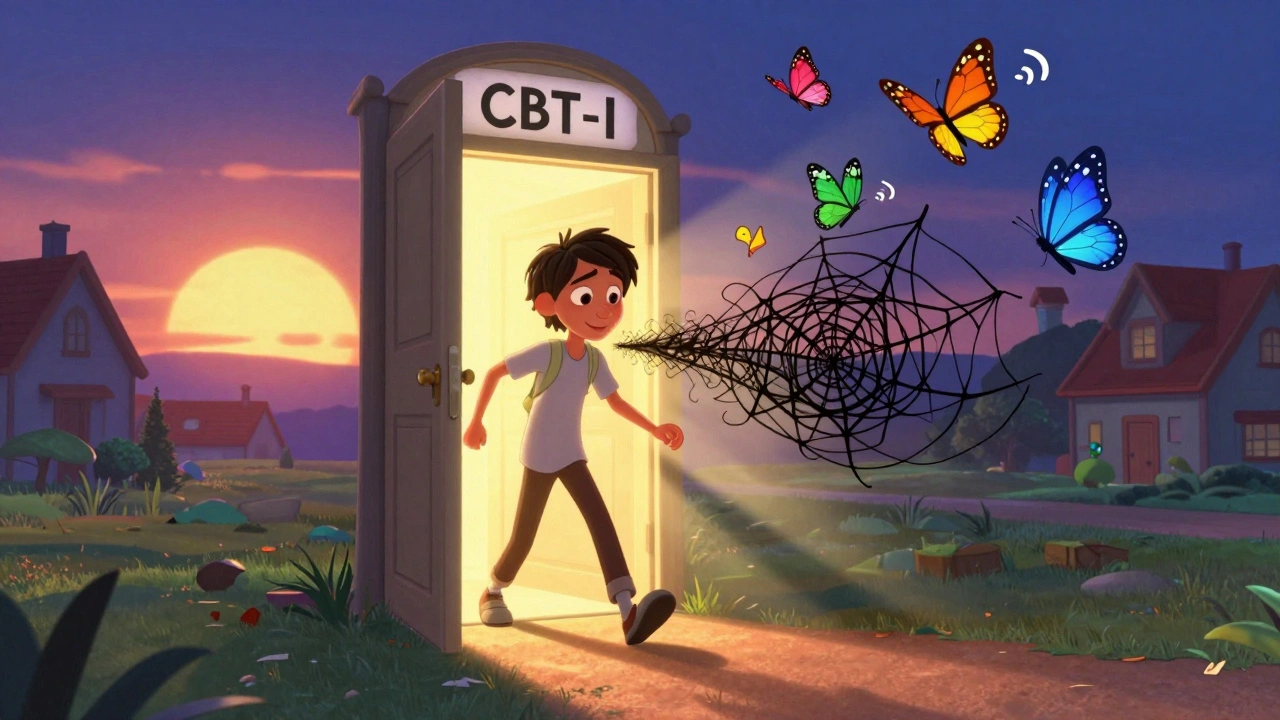
What You Can Do Right Now
You don’t need to wait for a therapist or an app subscription to start improving your sleep. Here’s what you can do today:- Get out of bed if you’re awake for more than 20 minutes. Go to another room. Read a book under dim light. Don’t check your phone. Return to bed only when you feel sleepy.
- Keep a consistent wake-up time. Even on weekends. Your body clock thrives on routine.
- Avoid caffeine after 2 p.m. It stays in your system for 6-8 hours. Even if you think you can fall asleep, it’s still disrupting your deep sleep.
- Write down your worries before bed. Put them on paper. Tell yourself, “I’ll deal with this tomorrow.” This stops your brain from looping through problems in the dark.
- Try a 5-minute breathing exercise. Breathe in for 4 seconds, hold for 2, breathe out for 6. Repeat five times. It activates your parasympathetic nervous system-your body’s natural calm switch.
Roger Leiton
December 2, 2025 AT 10:09Laura Baur
December 3, 2025 AT 06:03Rebecca M.
December 3, 2025 AT 16:58Lynn Steiner
December 4, 2025 AT 16:29Alicia Marks
December 4, 2025 AT 18:10Paul Keller
December 6, 2025 AT 10:58Shannara Jenkins
December 7, 2025 AT 07:36Elizabeth Grace
December 7, 2025 AT 19:02Steve Enck
December 9, 2025 AT 18:04Jay Everett
December 11, 2025 AT 01:59मनोज कुमार
December 12, 2025 AT 23:22Joel Deang
December 14, 2025 AT 21:07Jack Dao
December 15, 2025 AT 23:34