

Living with diabetic neuropathy pain isn’t just about discomfort-it’s about losing control over your daily life. The burning, tingling, or stabbing pain in your feet can make walking, sleeping, or even wearing socks unbearable. And here’s the hard truth: no medication can reverse the nerve damage. But that doesn’t mean you’re stuck with constant pain. The right mix of medicines and daily foot care can cut your pain by 30-50%, and for many, that’s enough to get back to living.
What Medications Actually Work for Diabetic Neuropathy Pain?
The FDA has approved just four drugs specifically for diabetic neuropathy pain: duloxetine, pregabalin, tapentadol extended-release, and the 8% capsaicin patch. But most doctors start with the ones that work best for most people-and cost the least.
Duloxetine (Cymbalta) is often the first choice. It’s not just a painkiller-it’s an antidepressant that helps with mood too. About 25-33% of people with diabetic neuropathy also struggle with depression, so this one hits two birds with one stone. A 62-year-old patient in a 2022 study cut his pain by 65% after trying three other drugs that failed. The standard dose is 60mg once daily. It takes about three days to reach steady levels in your blood, and most people feel real relief after four to six weeks. Side effects? Nausea, dry mouth, and weight gain. Some users report gaining 5-10 pounds, which can be frustrating if you’re already managing diabetes.
Pregabalin (Lyrica) works faster. Many people feel better within 48 hours. It’s great if pain keeps you awake at night-it also helps with anxiety and sleep. But it comes with a price tag: generic pregabalin costs around $379 for 90 capsules. And it’s a Schedule V controlled substance, meaning your doctor needs to jump through extra hoops to prescribe it. About 30% of users get dizzy, and 20% feel so sleepy they can’t drive. One Reddit user wrote, “It took the pain away, but I couldn’t leave the house without someone driving me.”
Then there’s gabapentin. It’s not FDA-approved for this use, but it’s the most common prescription in the U.S. because it’s cheap-just $4 for 90 capsules. Doses range from 300mg to 3,600mg daily, split into three doses. It’s less effective than pregabalin, but for someone on a tight budget, it’s a solid starting point. Side effects include dizziness and swelling in the legs.
Tricyclic antidepressants like amitriptyline are still recommended as first-line by experts, even though they’re not FDA-approved for neuropathy. They work well-especially at low doses (10-50mg at bedtime). But they come with a long list of side effects: dry mouth (57% of users), constipation (40%), blurred vision, and heart rhythm changes. If you’re over 45 or have heart issues, your doctor will check your ECG before prescribing.
Topical treatments like the 8% capsaicin patch (Qutenza) are a game-changer for foot pain. One user on Reddit said it cut his pain by 70%. But applying it? That’s the hard part. The patch is applied by a healthcare provider and causes intense burning for 30-60 minutes. You need to wait three months between applications, but for many, the relief lasts that long.
What Medications Should You Avoid?
NSAIDs like ibuprofen or naproxen might seem like an easy fix, but they’re risky for diabetics. Even at normal doses, they raise your risk of acute kidney injury by 2.1 times. Your kidneys are already under stress from high blood sugar-don’t add more strain.
Opioids like tramadol or oxycodone are a last resort. The CDC warns against them for chronic pain because of addiction risk-3-12% of long-term users become dependent. Some doctors still prescribe tramadol for severe, unresponsive pain, but only after all other options fail. The NHS calls it a third-line treatment for a reason.
Why Foot Care Is Just as Important as Medication
Medications manage pain, but foot care stops complications before they start. Diabetic neuropathy means you lose feeling in your feet. You won’t feel a blister, a cut, or a splinter. That tiny injury can turn into an ulcer-and 15% of people with neuropathy develop foot ulcers within five years.
Every single day, you need to check your feet. Look between your toes. Check for redness, swelling, cuts, or ingrown toenails. Use a mirror if you can’t see the bottom of your feet. Wash them daily with lukewarm water (test it with your elbow-your feet can’t tell if it’s too hot). Dry them gently, especially between the toes. Moisturize your skin, but never between the toes-that’s where fungus grows.
Wear shoes that fit. No barefoot walking-not even in the house. Even a small stone in your shoe can cause a wound you won’t feel until it’s infected. Special diabetic shoes with custom insoles are covered by Medicare for many patients. Ask your doctor for a referral to a podiatrist who specializes in diabetes.
Annual foot exams are mandatory. Your doctor should test your sensation with a 10-gram monofilament-this thin nylon thread bends when pressed against your foot. If you can’t feel it, you’re at high risk. Most certified diabetes educators use the Foundation for Peripheral Neuropathy’s Foot Care Checklist. It’s simple, free, and used by 78% of clinics.

How to Choose the Right Medication for You
There’s no one-size-fits-all. Your choice depends on your health, your budget, and your side effect tolerance.
- If you have depression or anxiety → start with duloxetine.
- If you need fast relief and can afford it → try pregabalin.
- If cost is a big issue → gabapentin is your best bet.
- If your pain is only in your feet → ask about the capsaicin patch.
- If you’re over 45 or have heart problems → avoid amitriptyline unless your doctor monitors you closely.
Start low, go slow. Most doctors begin with half the usual dose and increase it over 4-6 weeks. Don’t give up if you don’t feel better in two weeks. It can take up to 12 weeks to see full results.
What to Do If Medications Don’t Work
One in five people don’t get enough relief from current drugs. That’s frustrating, but not hopeless.
Some people find relief with N-acetylcysteine (NAC), a supplement that’s being studied alongside pregabalin. Early trials show it can boost pain relief significantly. Talk to your doctor before trying it.
New drugs are on the horizon. Mirogabalin, recently accepted for FDA review, showed 42% pain reduction in trials. SGLT2 inhibitors like dapagliflozin, already used for blood sugar control, are showing neuroprotective effects in early studies. Results from the DAPA-NEURO trial are expected in late 2024.
And then there’s precision medicine. A 2023 study found that your genes can predict whether duloxetine will work for you. If you have certain CYP2D6 variations, your body processes the drug differently. Genetic testing isn’t routine yet-but it’s coming.
Real Talk: The Hard Parts
Cost is a huge barrier. Even with insurance, pregabalin can cost $300 a month. Duloxetine is cheaper, but not everyone can afford it. Ask your doctor about patient assistance programs. Many drugmakers offer free or discounted meds for low-income patients.
Side effects are real. Dizziness from pregabalin? You might need to stop driving. Dry mouth from amitriptyline? Sucking on sugar-free candy helps. Weight gain from duloxetine? Pair it with gentle movement-walking 20 minutes a day can offset it.
And yes, you’ll probably need to try more than one drug. That’s normal. The goal isn’t to eliminate pain completely-it’s to reduce it enough so you can sleep, walk, and live without constant fear.
Can diabetic neuropathy pain go away on its own?
No. Once nerve damage from high blood sugar has occurred, it doesn’t heal on its own. The goal of treatment isn’t to cure it-it’s to reduce pain, prevent worsening, and avoid complications like foot ulcers. Keeping your blood sugar under control stops further damage, but it won’t reverse what’s already there.
Is gabapentin better than pregabalin for diabetic neuropathy?
Pregabalin is slightly more effective and works faster, but gabapentin is much cheaper and still helps most people. Studies show pregabalin has a standardized pain reduction score of 0.44, while gabapentin is close behind at 0.42. If cost is an issue, gabapentin is a smart first choice. If you need faster relief and can afford it, pregabalin may be worth the extra cost.
Why do I need to check my feet every day?
Diabetic neuropathy damages the nerves that send pain signals. You won’t feel a blister, a cut, or a hot floor. A small injury can become infected without you noticing. That infection can spread to bone and lead to amputation. Daily checks catch problems early-before they become emergencies. It’s the single most effective way to avoid foot ulcers.
Can I use over-the-counter pain creams for diabetic neuropathy?
Most OTC creams (like Bengay or Icy Hot) won’t help. They work on surface inflammation, not nerve pain. The only topical option proven to work is the 8% capsaicin patch (Qutenza), which requires a prescription and professional application. The 5% lidocaine patch (Lidoderm) is also prescribed off-label and may help localized pain, but it’s not as strong as capsaicin.
How long does it take for neuropathy medications to work?
It varies. Pregabalin can start working in 48 hours. Duloxetine usually takes 2-4 weeks. Amitriptyline and gabapentin may take up to 6 weeks. Doctors recommend sticking with a medication for at least 4-8 weeks at the right dose before deciding if it works. Don’t quit too soon.
Can I stop taking my neuropathy meds if my blood sugar improves?
No. Even if your blood sugar is now well-controlled, the nerve damage that caused the pain is still there. Stopping medication won’t make the pain disappear-it might even return worse. Medications manage symptoms, not the root cause. Keep taking them unless your doctor says otherwise.
What’s Next?
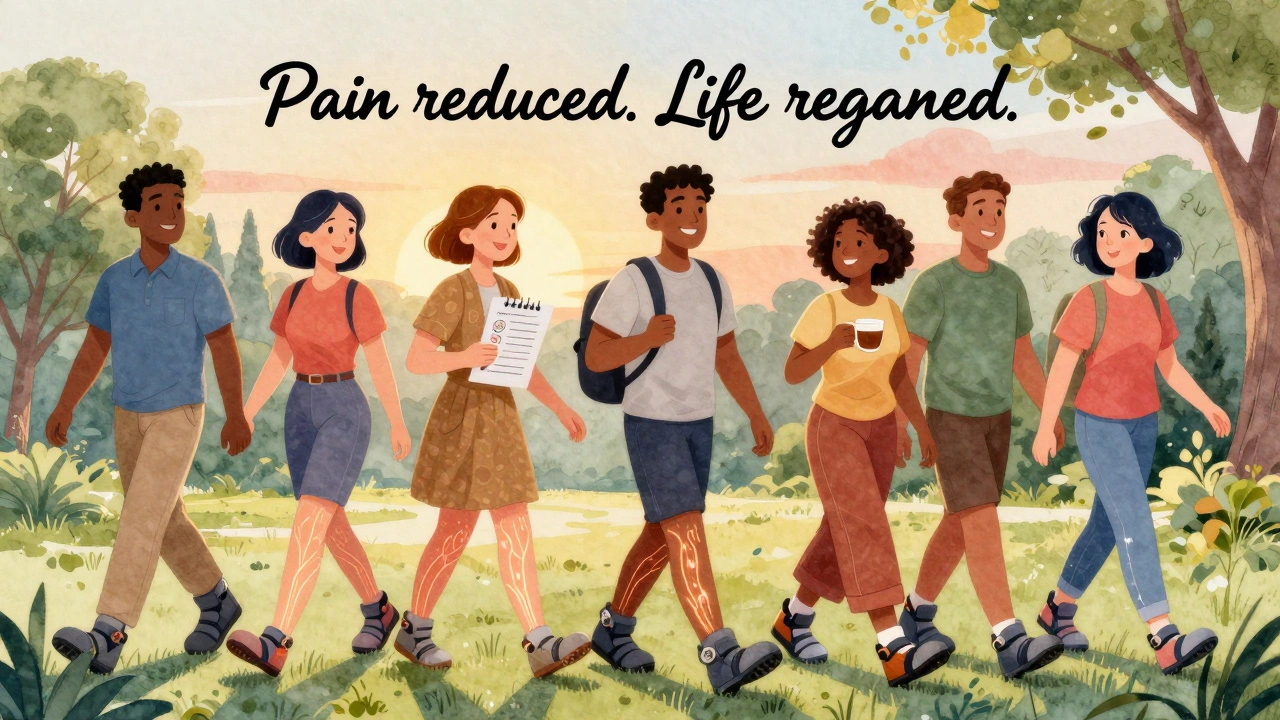
If you’re struggling with diabetic neuropathy pain, you’re not alone. Millions are in the same boat. The key is to combine smart medication choices with daily foot care. Start with one change: begin checking your feet every day. Then talk to your doctor about your pain level and your budget. There’s no perfect drug-but there’s a good one for you. And with the right approach, you can reduce pain enough to walk again, sleep again, and live without constant fear.
Jack Arscott
December 1, 2025 AT 15:26Lydia Zhang
December 2, 2025 AT 10:49Linda Migdal
December 3, 2025 AT 22:27Tommy Walton
December 5, 2025 AT 07:47soorya Raju
December 6, 2025 AT 22:37Lucinda Bresnehan
December 7, 2025 AT 18:31Shannon Gabrielle
December 7, 2025 AT 20:40ANN JACOBS
December 8, 2025 AT 03:40Kshitij Shah
December 9, 2025 AT 08:39Sean McCarthy
December 9, 2025 AT 15:28