Many common medications-prescription and over-the-counter-can impair driving as much as alcohol. Learn which drugs are risky, how they affect your reflexes, and what legal consequences you could face-even if you took them as directed.
Learn how to track medication adherence using simple logs and smart devices. Discover why paper lists fail, how IoT pillboxes work, and which tools actually reduce hospital visits and improve health outcomes.
ALS is a fatal neurodegenerative disease with no cure. Riluzole is the oldest and most widely used treatment, offering a modest but meaningful extension in survival. Learn how it works, who benefits, and why side effects make many stop.
ACE inhibitors and ARBs both treat high blood pressure and kidney disease, but combining them increases risks like kidney failure and high potassium without added benefits. Learn why doctors avoid this combo and what safer alternatives exist.
Prepaid drug mail-back envelopes let you safely dispose of expired or unused medications by mail. No flushing, no trash, no risk. Learn how they work, what you can send, and where to get them for free or low cost.
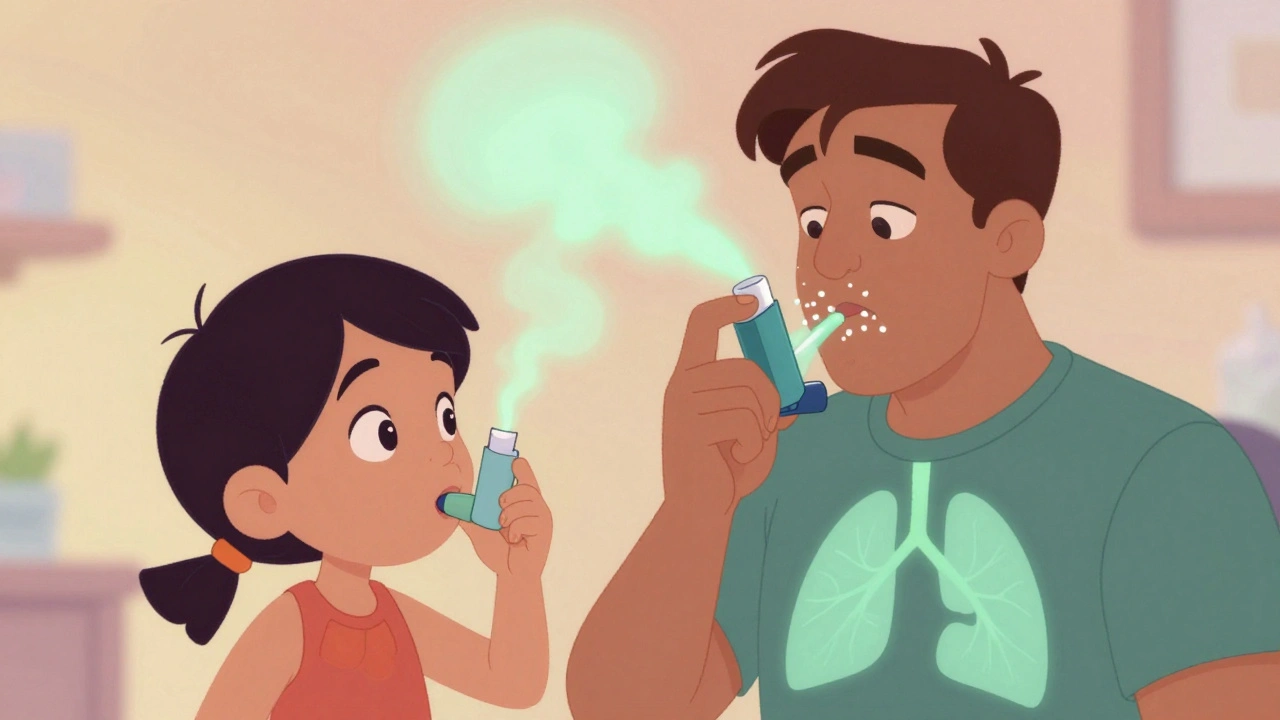
COPD is a progressive lung disease with four stages, from mild to very severe. Learn how spirometry diagnoses it, what treatments work at each stage, and how to manage symptoms for better daily life.
Medication plays a vital role in controlling acromegaly when surgery isn't enough. Learn how somatostatin analogs, dopamine agonists, and pegvisomant lower growth hormone levels and improve long-term health outcomes.
Physical therapy helps people with Parkinson’s disease move better, stay balanced, and avoid falls. It doesn’t cure the disease, but it improves daily function and quality of life with targeted exercises and proven techniques.
Understand how Medicare Part D substitution works in 2025 - from formularies and cost tiers to the $2,000 out-of-pocket cap - and how to protect yourself from unexpected drug switches and higher costs.
Follow these five essential rules to take your medication safely and avoid dangerous errors. Learn how to check doses, timing, routes, and interactions to protect your health every day.
Patent law protects pharmaceutical innovation by giving companies exclusive rights to sell new drugs, while generics make treatment affordable after patents expire. The Hatch-Waxman Act balances these interests, saving billions annually.
Many medications can cause ringing in the ears. Learn which drugs are most likely to trigger tinnitus, whether the damage is permanent, and what steps to take if you notice hearing changes after starting a new pill.